Hydrogen Inhalation FAQ Master Directory
This guide answers 11 key questions about hydrogen inhalation therapy, covering respiratory benefits, home clinical inhalers, FDA status, and safety profiles with evidence from clinical research.
For a complete overview of the underlying medical literature and delivery mechanics, read the full Hydrogen Inhalation Therapy Guide.
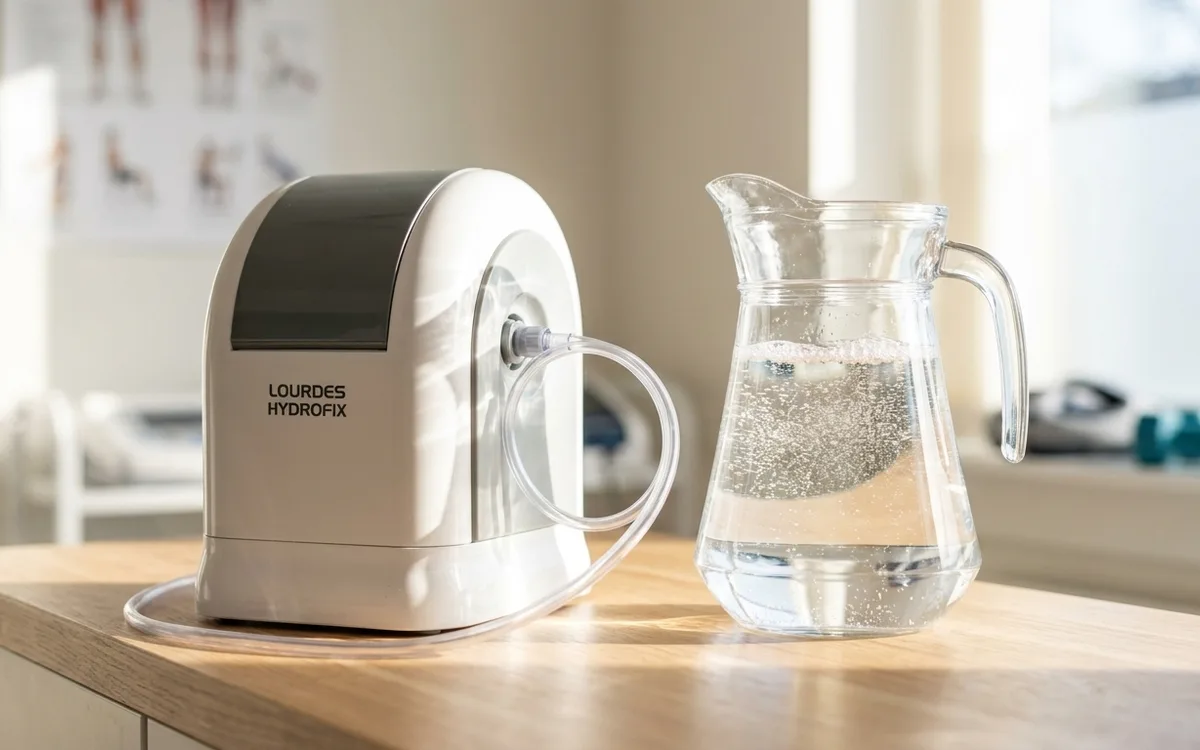
As a Certified Athletic Therapist and clinical researcher, I frequently evaluate emerging recovery modalities. Hydrogen inhalation therapy is an effective non-invasive method for acute oxidative stress, systemic inflammation, and neuroprotection.
Below are answers to the 11 most common hydrogen inhalation questions, organized by safety and regulation, biological science, and practical home setup and machine reviews.
1. Safety, Side Effects and FDA Regulations
Are There Any Hydrogen Inhalation Side Effects?
Molecular hydrogen (H2) is well tolerated with no known toxic side effects. Because H2 targets only harmful hydroxyl radicals and converts them into water, it produces no toxic metabolites. Some first-time users notice mild lightheadedness from deep breathing patterns, which clears quickly once the session ends.
Read full article: Are There Any Hydrogen Inhalation Side Effects?
Is Hydrogen Inhalation Safe? What the Science Says
Decades of research, including deep-sea diving studies using high-pressure hydrogen gas mixes (Hydreliox), show that molecular hydrogen has no cellular toxicity. Flammability is managed by keeping gas concentrations below 4% or using calibrated flow rates. The main safety hazard comes from cheap, uncertified units that generate toxic chlorine or ozone byproducts during electrolysis.
Read full article: Is Hydrogen Inhalation Safe?
Is Hydrogen Inhalation Therapy FDA Approved? The Legal Facts
In the United States, hydrogen inhalation generators are classified as general wellness or fitness devices rather than FDA-approved medical devices. While molecular hydrogen gas holds GRAS (Generally Recognized As Safe) status for dietary consumption, inhalation therapy is not regulated as a prescription drug, allowing consumers to purchase home units directly.
Read full article: Is Hydrogen Therapy FDA Approved?
2. Biological Science and Physiological Mechanism
What Does Hydrogen Do When Inhaled? The Cellular Science
Because H2 is the smallest molecule in the universe, inhaled hydrogen gas quickly diffuses through alveolar tissue into the bloodstream, crossing the blood-brain barrier and entering cell mitochondria. Once inside, it neutralizes cytotoxic hydroxyl radicals, protects cellular DNA, supports endogenous antioxidants such as glutathione and SOD, and lowers pro-inflammatory cytokines.
Read full article: What Does Hydrogen Do When Inhaled?
Does Hydrogen Inhalation Work? Clinical Evidence
Peer-reviewed human trials confirm the therapeutic effects of hydrogen gas inhalation. Studies show measurable drops in serum oxidative stress markers such as malondialdehyde, improved endurance and faster lactate clearance in athletes, and noticeable anti-inflammatory improvements in clinical patients.
Read full article: Does Hydrogen Inhalation Work?
Is Hydrogen Inhalation Good for the Lungs? Respiratory Science
Inhalation delivers the highest direct concentration of H2 to pulmonary tissue, providing direct antioxidant and anti-inflammatory support to the lungs. Clinical trials show clear benefits for easing airway inflammation in conditions such as asthma, COPD, and acute respiratory distress.
Read full article: Is Hydrogen Good for the Lungs?
Hydrogen Inhalation vs. HHO (Brown's Gas) Inhalation
Pure hydrogen inhalation delivers 99.999% H2 gas mixed with ambient room air, whereas HHO (Brown's Gas) generators produce an unseparated mix of 66% H2 and 33% O2 gas. Understanding the difference between pure SPE/PEM hydrogen generators and single-chamber oxyhydrogen devices is essential for verifying gas purity, flow rate safety, and proper dosing.
Read full article: Hydrogen vs. HHO Inhalation
3. Home Setup, Costs and Machine Reviews
Can You Do Hydrogen Inhalation Therapy at Home? Setup and Safety
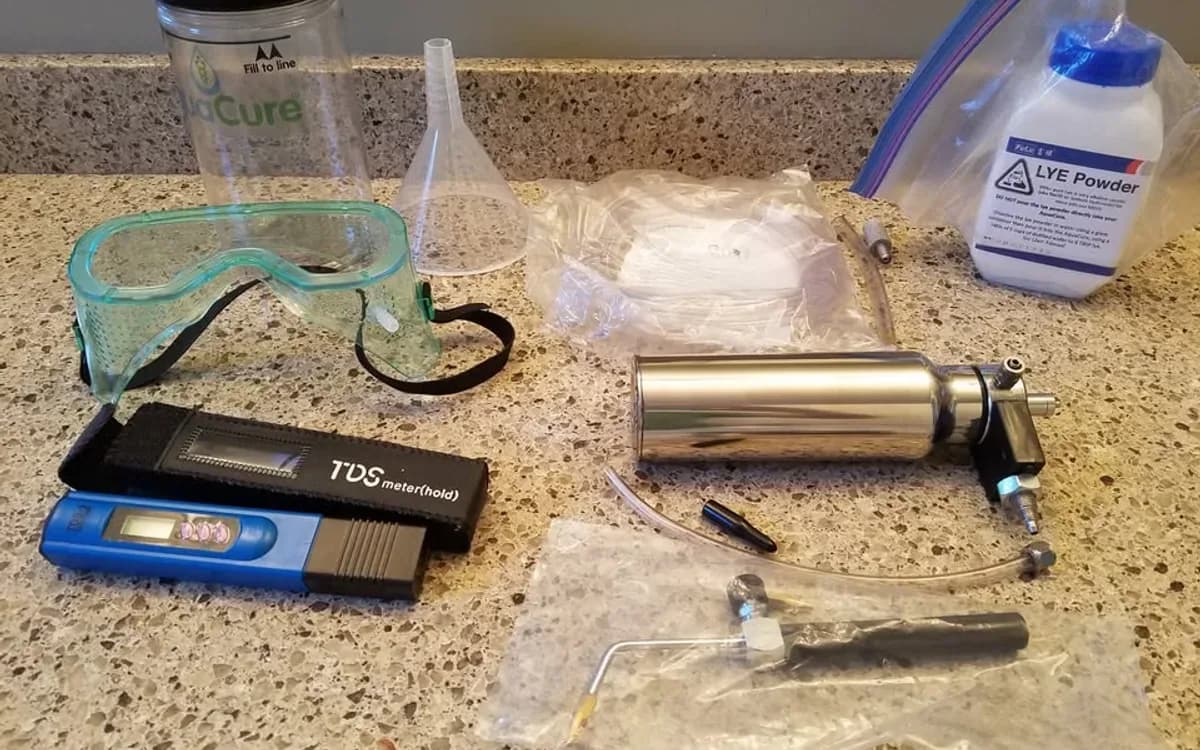
Home hydrogen inhalation is safe and straightforward when you use a certified countertop unit. A proper home setup requires distilled water, a clean nasal cannula, a well-ventilated room free of open flames, and a generator with built-in SPE/PEM dual-chamber technology.
Read full article: Can You Do Hydrogen Inhalation at Home?
Hydrogen Inhalation Therapy Cost: Clinic Sessions vs. Home Inhalers
Sessions at wellness lounges cost between $40 and $100 for 30 to 60 minutes. Buying a high-quality home generator costs between $1,500 and $3,500+. For regular daily or weekly therapy, an individual home generator typically pays for itself within 3 to 6 months.
Read full article: Hydrogen Inhalation Therapy Cost Breakdown
InhaleH2 Review: Dr. Tyler LeBaron's Inhalation Machine
An evaluation of the InhaleH2 machine designed in collaboration with Molecular Hydrogen Institute founder Dr. Tyler LeBaron. We break down its SPE/PEM membrane architecture, gas output rates (mL/min), safety certifications, and overall value for biohackers and clinical practitioners.
Read full article: InhaleH2 Review
Vital Reaction vs. Lourdes Hydrofix: A Clinical Review
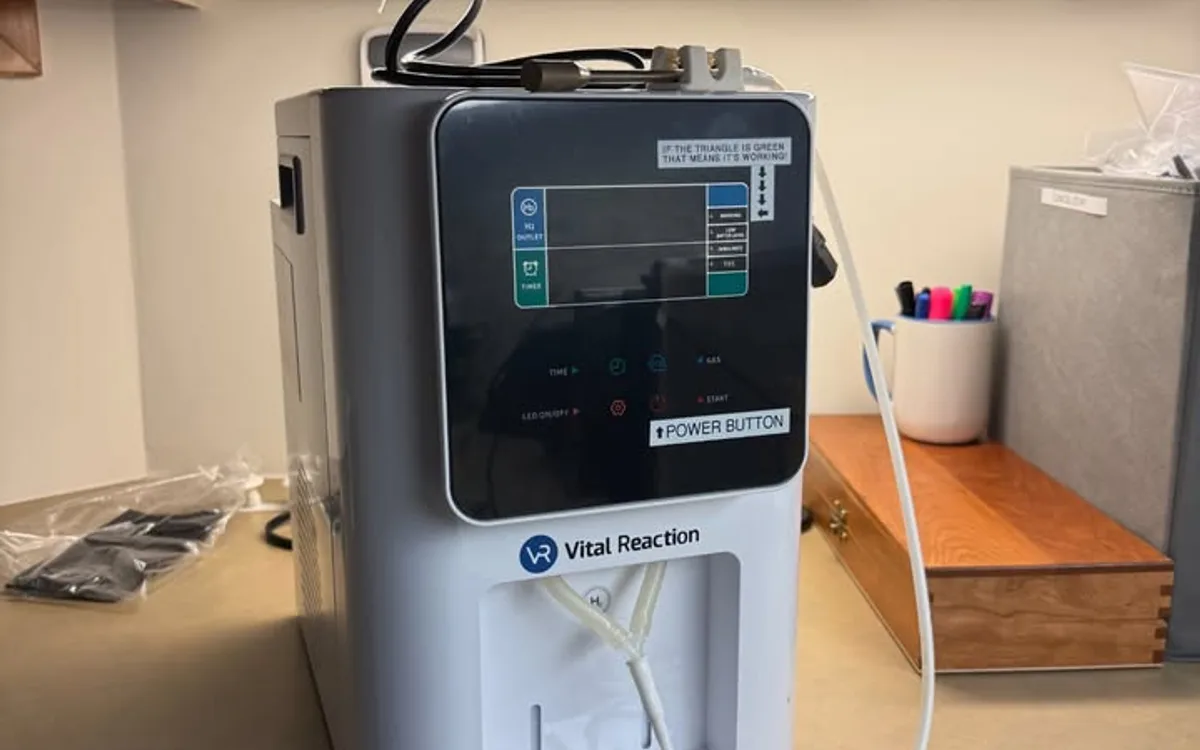
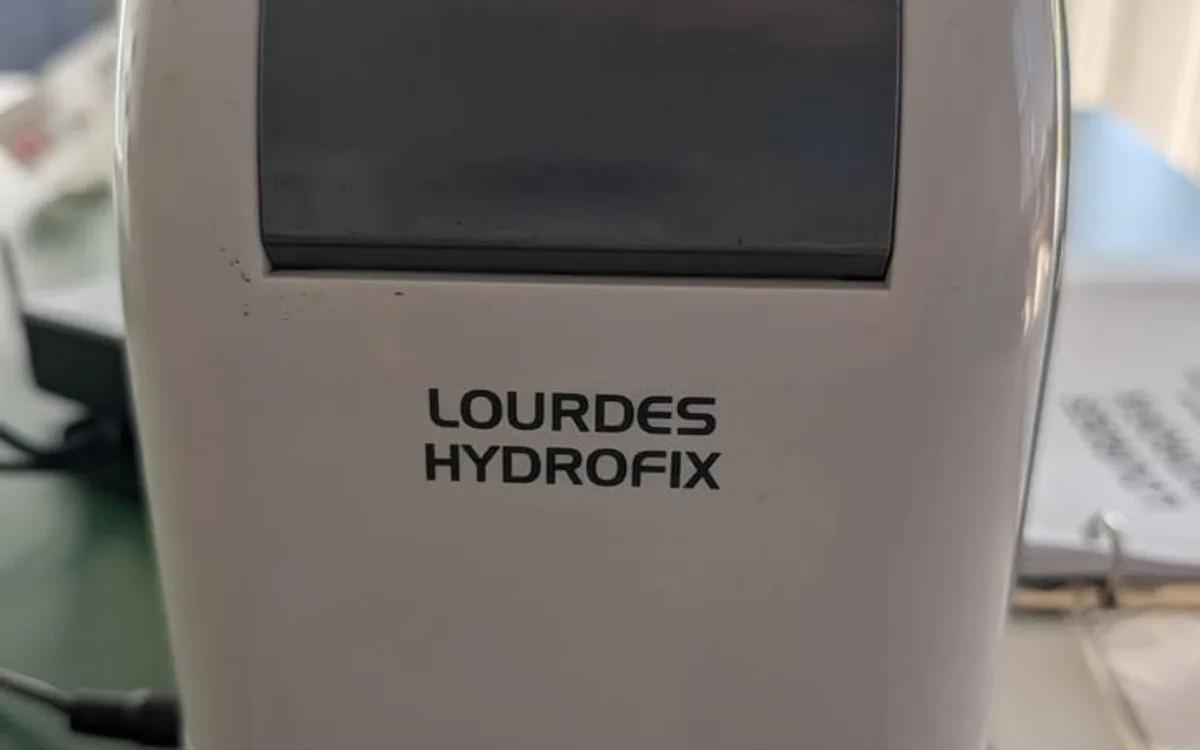
A direct comparison of two leading clinical hydrogen inhalers: the Vital Reaction 740/1500 and the Japanese-built Lourdes Hydrofix Premium Edition. We compare gas purity, flow rate stability, build quality, warranty support, and long-term durability.
Read full article: Vital Reaction vs. Lourdes Hydrofix
Next Steps
If you are beginning your research into molecular hydrogen therapy:
- Start with the foundational guide on Hydrogen Inhalation Therapy: Science, Benefits, and Safety.
- Compare top-rated machines in my review of the Best Hydrogen Inhalation Machines.
- Read my hands-on evaluation of the Lourdes Hydrofix Premium Edition.