Hydrogen Inhalation Therapy: Clinical Verdict
Hydrogen inhalation therapy delivers high-dose molecular hydrogen (H2) directly into systemic circulation. Unlike oral hydrogen water, inhalation bypasses the gut to provide rapid antioxidant support to the brain, lungs, and cardiovascular system.
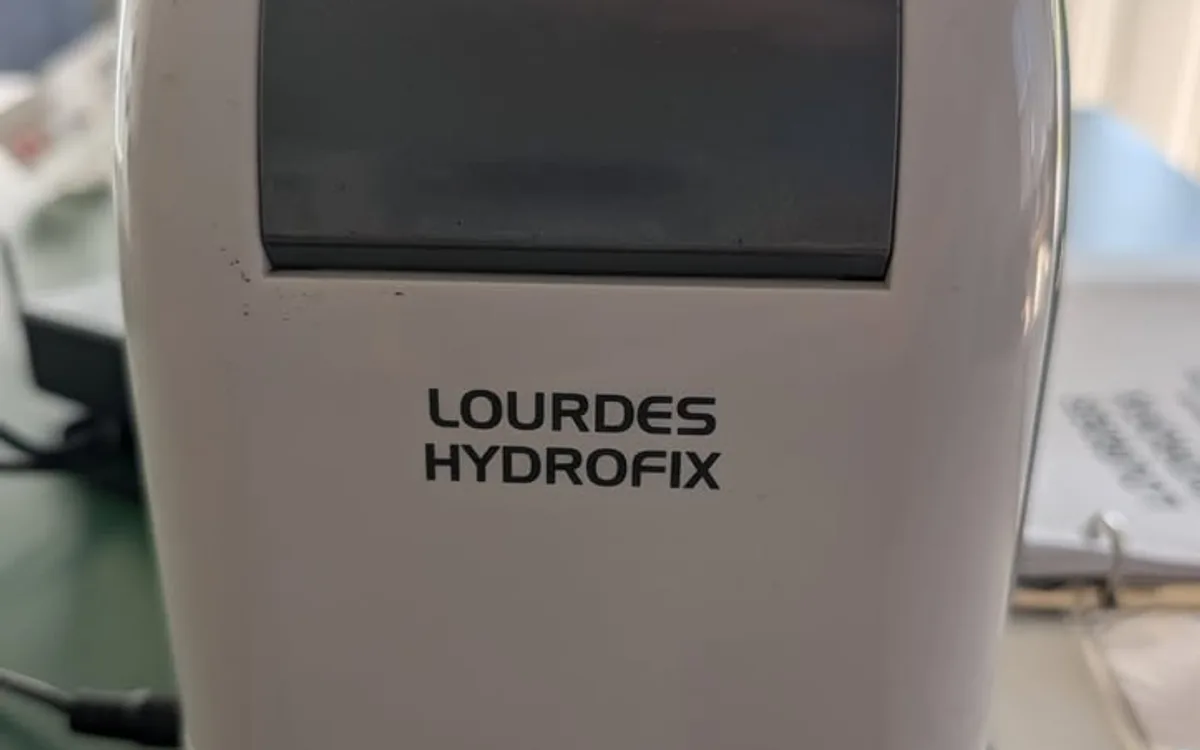
For home clinical use, I recommend the Lourdes Hydrofix Premium Edition because of its separate-chamber SPE/PEM technology that delivers 99.9995% pure hydrogen gas without chlorine or ozone byproducts.
In my physical therapy practice, patients often ask about the difference between drinking hydrogen water and inhaling hydrogen gas. As a Certified Athletic Therapist and clinical researcher, I evaluate modalities by whether the clinical data supports the mechanism and whether the method is safe.
Hydrogen water works well for gut issues and baseline oxidative stress. When patients manage neuroinflammation, heavy training fatigue, or respiratory distress, hydrogen inhalation therapy delivers higher systemic concentrations. Breathing molecular hydrogen (H2) gas provides cellular saturation that drinking water alone cannot match.
Below is an examination of the science, safety profile, benefits, and practical protocols of molecular hydrogen inhalation.
What is Hydrogen Inhalation Therapy?
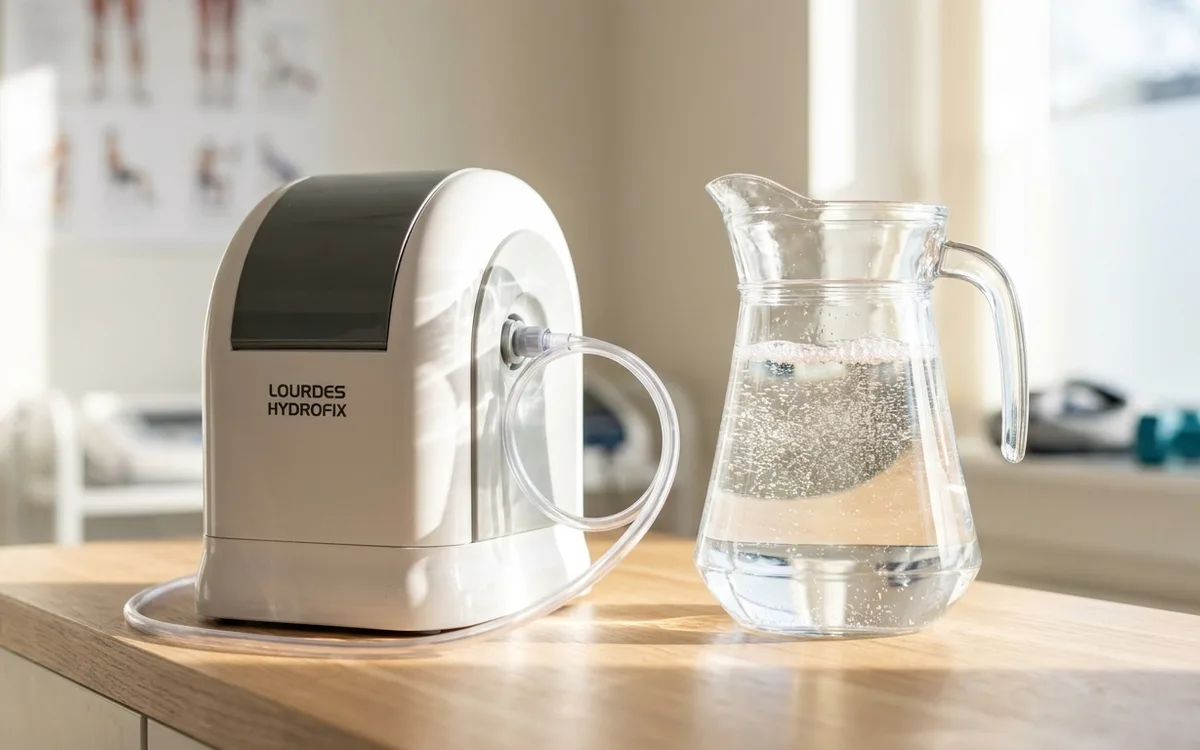
Hydrogen inhalation therapy involves breathing molecular hydrogen (H2) gas generated through an SPE/PEM electrolysis machine. Because molecular hydrogen is small and light, it diffuses quickly across the lungs and cell membranes, acting as a selective antioxidant that targets damaging free radicals.
Unlike broad-spectrum antioxidants (such as high-dose vitamin C or E) that can disrupt normal cellular signaling and blunt training adaptations, H2 gas is selective. It targets toxic hydroxyl radicals and peroxynitrite, converting them into water molecules (H2O) while leaving beneficial reactive oxygen species (ROS) intact for immune and muscular signaling.
When you breathe H2 gas, it enters the respiratory system, diffuses through the alveoli into the bloodstream, and travels throughout the body. Its molecular size allows it to cross the blood-brain barrier easily, protecting brain tissue and supporting mitochondrial energy production.
Benefits of Hydrogen Inhalation
The benefits of hydrogen inhalation therapy stem from its selective antioxidant and anti-inflammatory properties. By neutralizing damaging free radicals, it lowers chronic inflammation, accelerates athletic recovery, clears brain fog, and protects mitochondria without suppressing necessary metabolic signals.
Because inhalation delivers higher volumes of H2 than drinking water, it creates broader systemic effects across several body systems:
1. Neuroprotection and Cognitive Support
The brain consumes roughly 20% of the body's oxygen, making it vulnerable to oxidative stress. Because H2 crosses the blood-brain barrier readily, it helps protect neural tissues. Research shows that hydrogen inhalation helps buffer cognitive decline, supports mental clarity, and mitigates brain fog associated with chronic inflammation.
2. Exercise Recovery and Muscle Fatigue
During high-volume athletic training, acute oxidative stress drives delayed-onset muscle soreness (DOMS) and prolonged fatigue. Breathing H2 gas post-workout speeds up metabolic clearance, lowers muscle damage markers such as creatine kinase, and reduces soreness, helping athletes bounce back faster between sessions.
3. Chronic Inflammation and Joint Health
Low-grade inflammation contributes to joint degeneration and slower tissue repair. Studies show that hydrogen gas down-regulates pro-inflammatory cytokines (such as TNF-alpha and IL-6) and oxidative stress markers like malondialdehyde. This provides practical support for individuals dealing with rheumatoid arthritis, osteoarthritis, or chronic inflammatory conditions.
4. Respiratory Support
Because gas is inhaled directly, lung tissue receives the highest immediate concentration of H2. Research evaluates hydrogen inhalation as an adjunctive therapy for inflammatory airway conditions, including asthma, COPD, and recovery from respiratory infections, because of its ability to soothe inflamed bronchial tissues.
Is Hydrogen Inhalation Safe?
Molecular hydrogen inhalation is safe and well tolerated. Decades of research, including deep-sea diving studies using hydrogen gas mixtures, confirm that molecular hydrogen has no cellular toxicity. Excess hydrogen is exhaled naturally through respiration.
For detailed diving data and flammability guidelines, see my article on Is Hydrogen Inhalation Safe?.
Intestinal bacteria produce small amounts of hydrogen gas naturally as they ferment dietary fibers. The human body is accustomed to processing hydrogen, so there is no risk of toxicity.
Because hydrogen is flammable under specific conditions, follow these basic safety rules:
- Flammability limits: Hydrogen gas is flammable in air at concentrations above 4%. Clinical inhalation systems dilute hydrogen with room air or maintain flow rates that keep local levels below that mark.
- Open flames: Never use an inhaler near open flames, lit candles, cigarettes, or electrical spark sources.
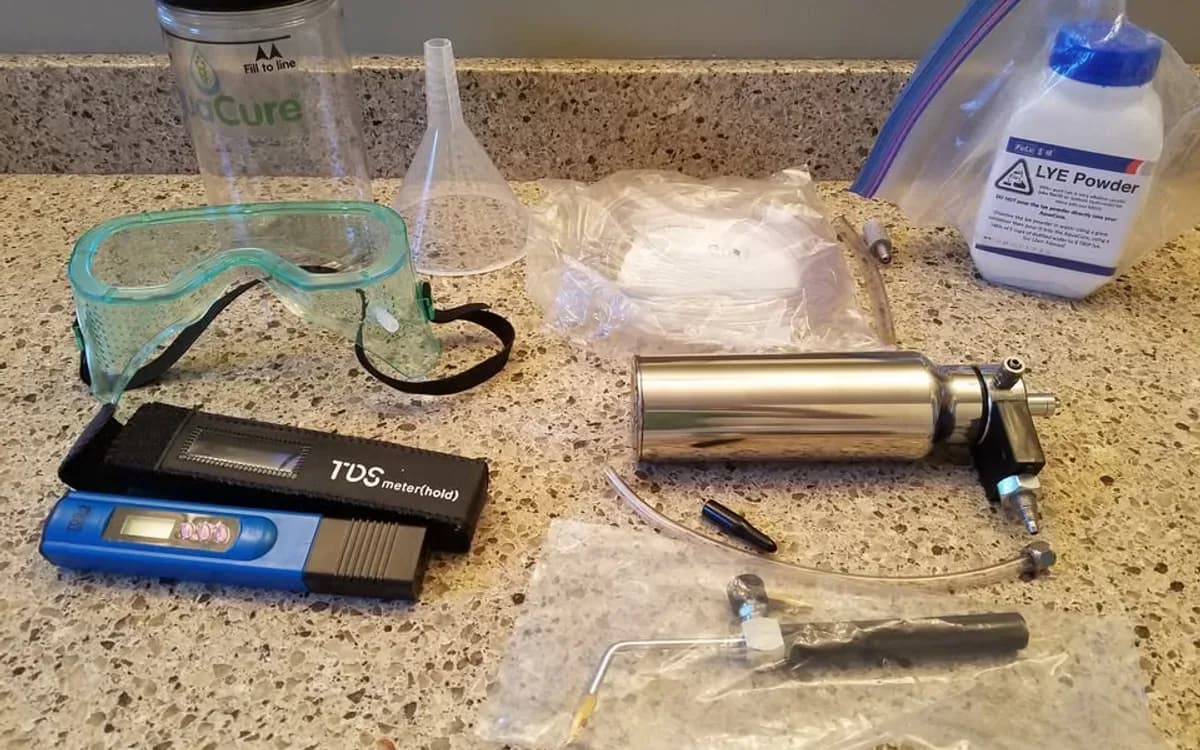
- Device construction: The main safety concern comes from poorly built generators. Cheap electrolysis plates can leach heavy metals or generate chlorine and ozone. Use a certified device with SPE/PEM dual-chamber electrolysis.
Are There Any Side Effects?
Molecular hydrogen has no toxic side effects in published trials. Some users report mild, temporary sensations like relaxation, lightheadedness, or increased alertness, but these resolve once the session ends.
For clinical trial data and session expectations, read Are There Any Hydrogen Inhalation Side Effects?.
Because hydrogen converts free radicals into water, the primary outcome of its activity is cellular hydration. It does not produce toxic metabolites.
Lightheadedness during a session usually comes from slower, deeper diaphragmatic breathing rather than the gas itself. If you feel dizzy, lower the flow rate or remove the cannula.
Does Hydrogen Inhalation Work?
Hydrogen inhalation delivers molecular hydrogen into arterial circulation, crossing the blood-brain barrier for cellular protection. Peer-reviewed trials confirm that it reduces oxidative markers such as malondialdehyde, improves exercise performance, and eases joint discomfort.
For details on clinical trials and cellular mechanisms, see Does Hydrogen Inhalation Work?.
A landmark paper in Nature Medicine (2007, PMID: 17486089) demonstrated that H2 acts as a selective antioxidant. Since then, hundreds of trials have evaluated its clinical effects. Researchers track markers like C-reactive protein (CRP), lactate accumulation, and malondialdehyde (MDA) before and after therapy, consistently noting improvements compared to control groups.
Hydrogen Inhalation vs. Hydrogen Water
While both methods supply molecular hydrogen, they serve distinct purposes:
| Feature | Hydrogen Inhalation | Hydrogen Water |
|---|---|---|
| Delivery Method | Inhaling H2 gas through nasal cannula | Drinking dissolved H2 in water |
| Dosage Scale | High (breathed at ~120+ mL/min) | Moderate (usually 1.5 to 3.0 ppm per liter) |
| Target Systems | Brain, lungs, nervous system, systemic blood | Gastrointestinal tract, gut microbiome, liver |
| Session Length | 30 to 60 minutes | Drunk in a few minutes |
| Equipment Cost | Premium countertop generator ($1,500+) | Portable bottle ($100+) or tablets |
| Primary Use | Chronic inflammation, neuroprotection, recovery | Everyday hydration, gut health, daily maintenance |
What to Look For in a Hydrogen Inhalation Machine
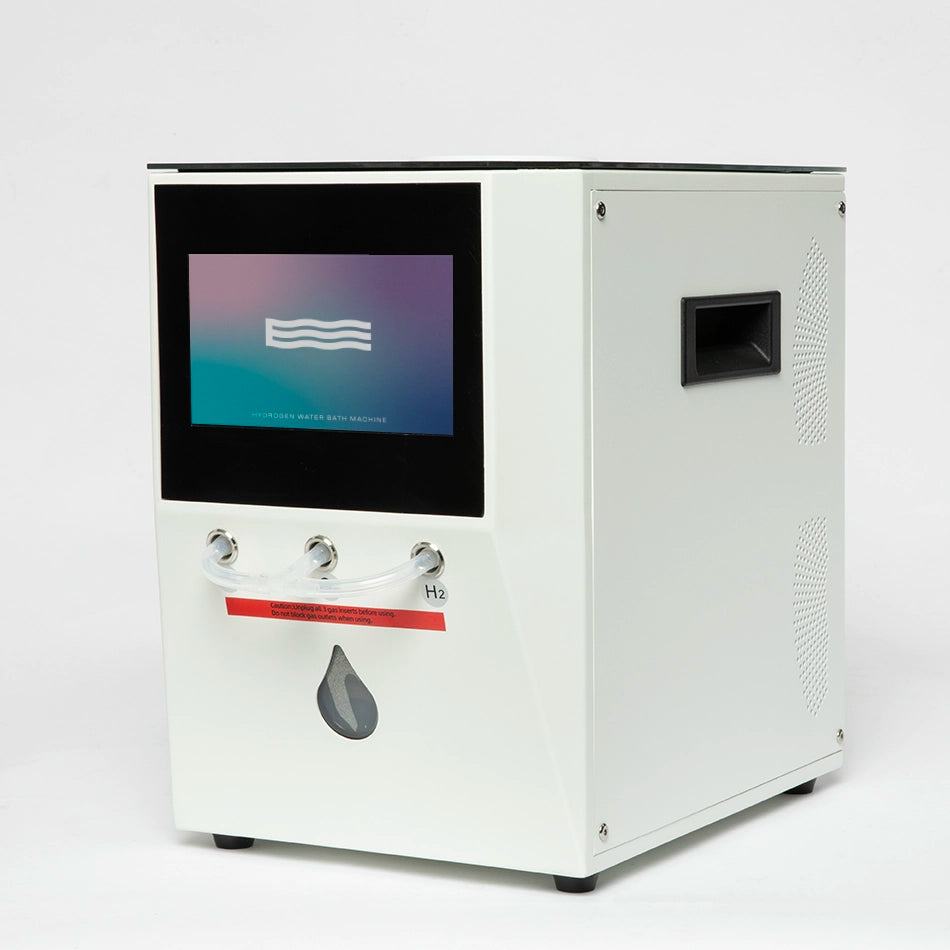
To get reliable clinical results, avoid cheap uncertified hardware. Look for these technical standards:
- SPE/PEM separate-chamber electrolysis: Electrolysis must take place in an isolated chamber. Hydrogen bubbles through a membrane while ozone and chlorine vent safely out of the base.
- DuPont Nafion 117 membrane: This proton exchange membrane separates hydrogen and oxygen gases reliably.
- Purity certification: The unit should produce at least 99.999% pure hydrogen gas to avoid chemical contaminants.
- Gas flow rate: A clinical-grade unit should deliver at least 120 mL/min of pure hydrogen gas for adequate dosing during a 30-minute session.
Understanding the difference between hydrogen vs HHO inhalation is also helpful when choosing equipment. The countertop machine meeting these criteria and certified by the Japan Food Research Laboratories (JFRL) is the Lourdes Hydrofix Premium Edition. Read my full breakdown in my Lourdes Hydrofix Review, or compare other models in my guide to the best hydrogen inhalation machines.
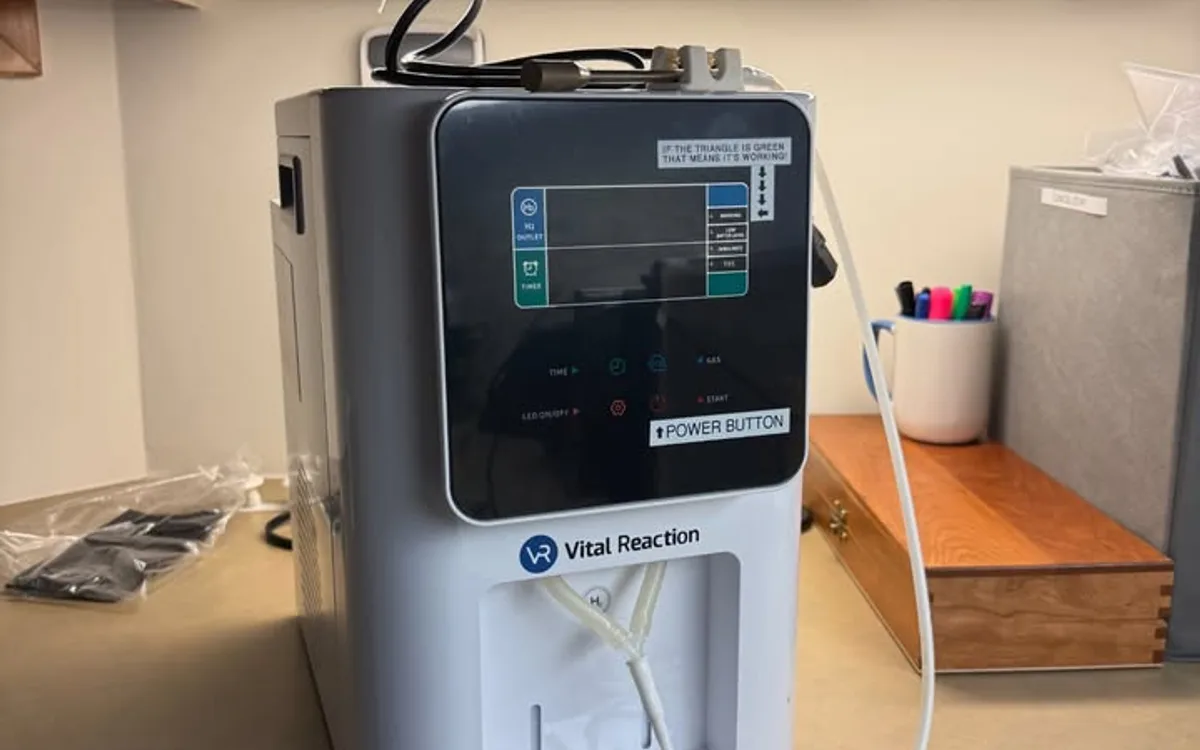
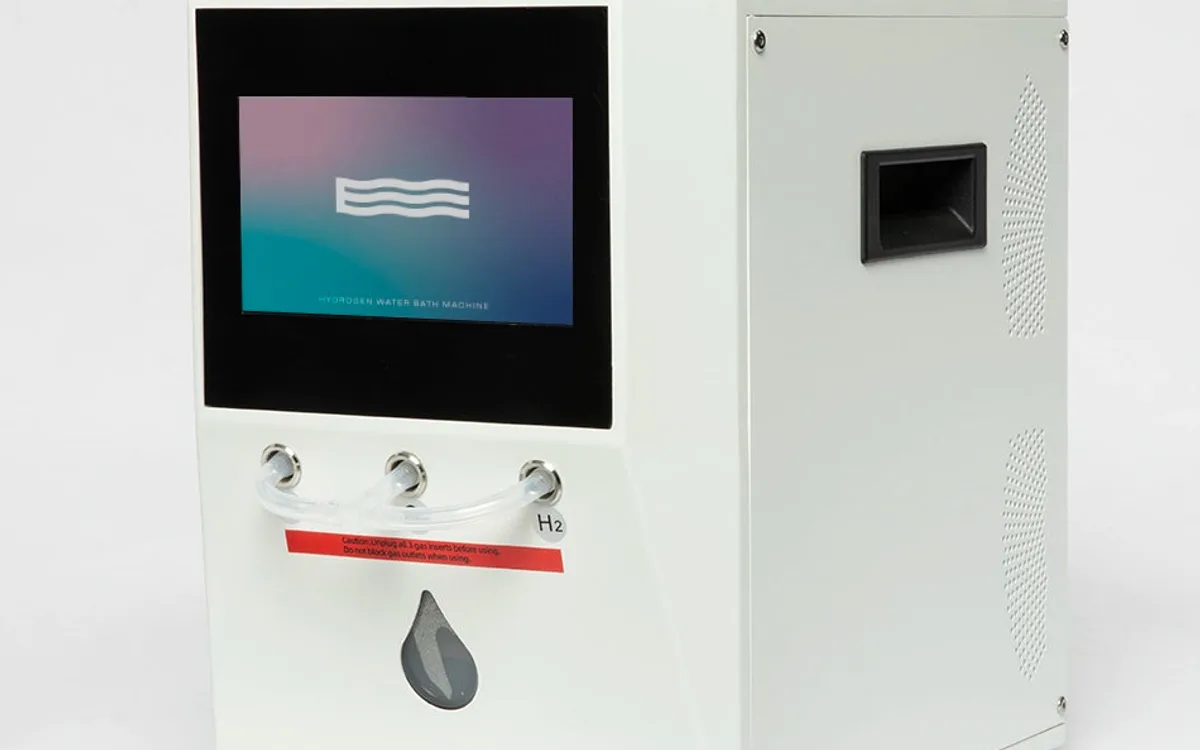
If you are evaluating other systems, read my head-to-head comparison of Vital Reaction vs Lourdes Hydrofix and my review of the InhaleH2 machine. To analyze machine costs against clinic visits, see my hydrogen inhalation therapy cost breakdown. If you are shopping for drinking systems, review my guides on the best hydrogen water machines and the Echo Ultimate vs Lourdes Hydrofix. You can also read my scientific overview on hydrogen water benefits.