Quick Verdict
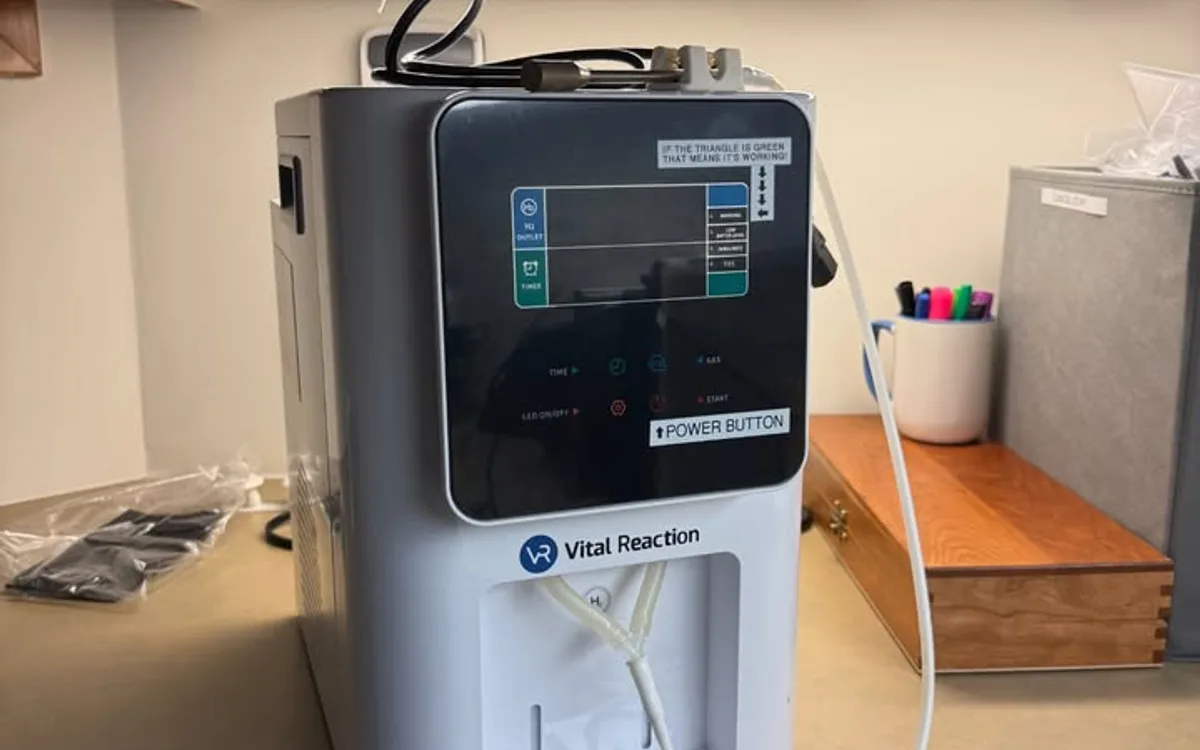
Yes, you can safely do hydrogen inhalation therapy at home. Modern countertop and portable generators make setup as simple as plugging in the machine and putting on a nasal cannula. However, home safety depends on device quality. You need a sealed SPE/PEM machine that separates gases cleanly and vents ozone or chlorine byproducts, rather than a cheap, uncertified unit.
In my athletic therapy practice, many patients first try hydrogen inhalation at a clinical wellness center or recovery lounge. They notice the relaxation and recovery benefits quickly, but paying $50 to $100 per session gets expensive over time.
Clients often ask whether they can do this at home safely.
Below is a practical breakdown of home hydrogen inhalation setup, safety requirements, and the numbers behind purchasing your own machine.
1. Safety Checklist for Home Inhalation
Hydrogen is a reactive gas, but at the flow rates produced by home machines, it is safe to use if you follow these basic guidelines:
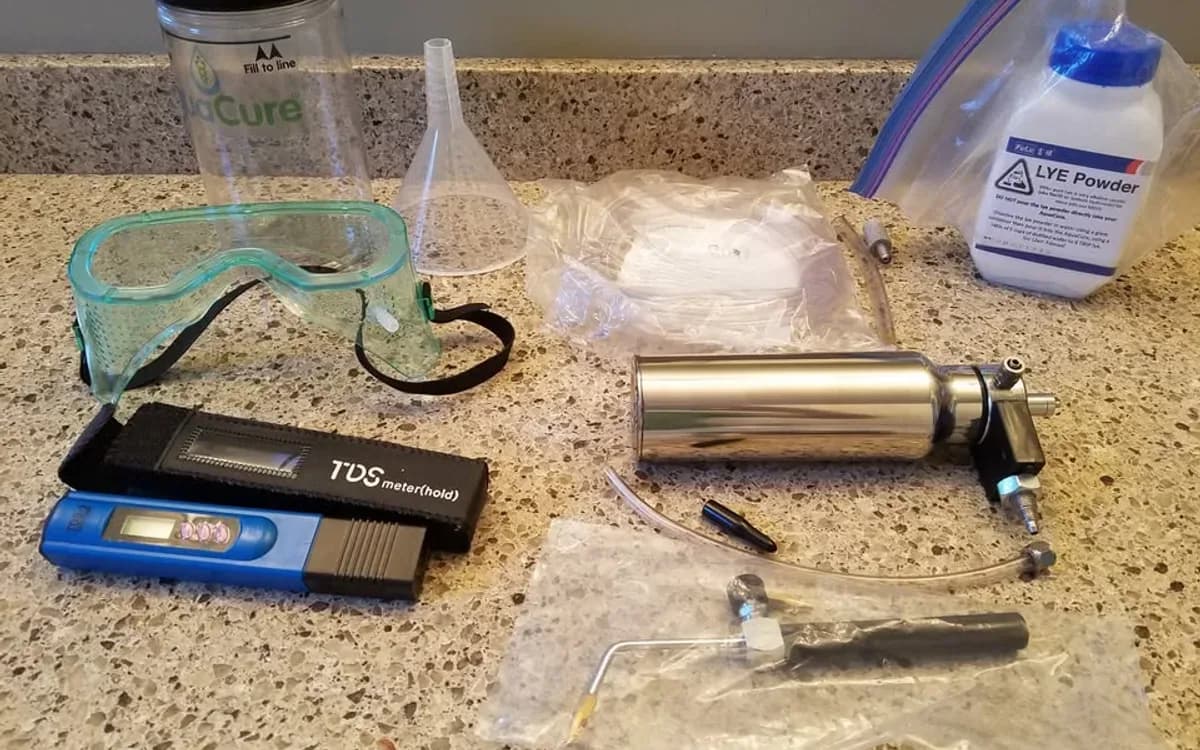
- Gas purity comes first. Cheap, uncertified imports often rely on direct electrolysis. This can produce trace amounts of ozone or toxic chlorine gas, which travel straight through the cannula into your lungs. Use only certified SPE/PEM (Proton Exchange Membrane) machines that isolate the electrolysis chamber and vent byproducts.
- Keep away from open flames. Hydrogen becomes flammable in air at concentrations above 4%. Home machines keep flow rates low (around 120 to 600 ml/min) so the gas dissipates into the room immediately. Still, you should never run the machine near open flames, lit candles, cigarettes, or gas stoves.
- Use distilled water only. The generator membrane requires mineral-free water (distilled or reverse osmosis) to operate. Tap water damages the membrane and can release mineral contaminants into the gas stream.
2. Session Protocol for Beginners
When starting home inhalation, this routine works well:
- Duration: Begin with 30-minute sessions once a day. Once your body acclimates, you can increase this to 60 minutes, once or twice daily.
- Timing: Most people prefer inhaling in the morning for mental clarity, or in the evening to unwind. Because it supports cellular recovery, doing a session post-workout is also practical.
- Hydration: Drink a glass of water before and after your session to support normal cellular function.
3. Financial Comparison: Clinic vs. Home Machine
If you plan to use hydrogen therapy regularly, the numbers are clear:
- Clinic sessions: At an average of $60 per session, three sessions a week costs $9,360 annually.
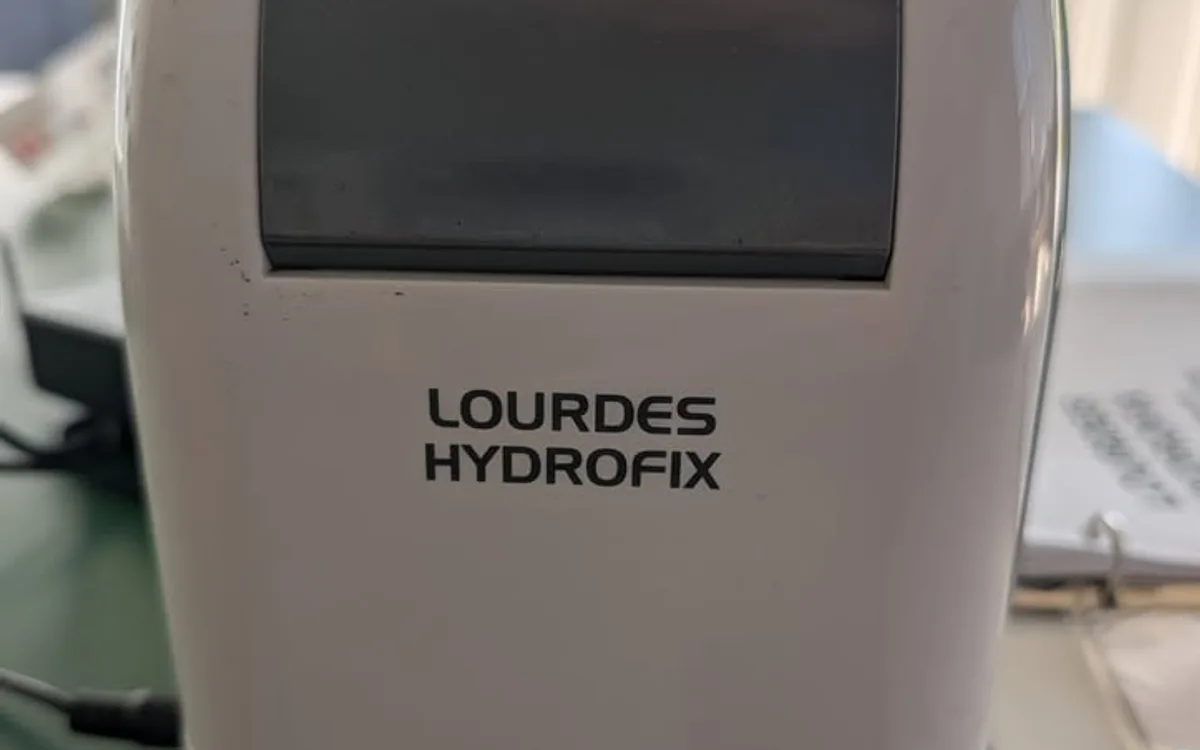
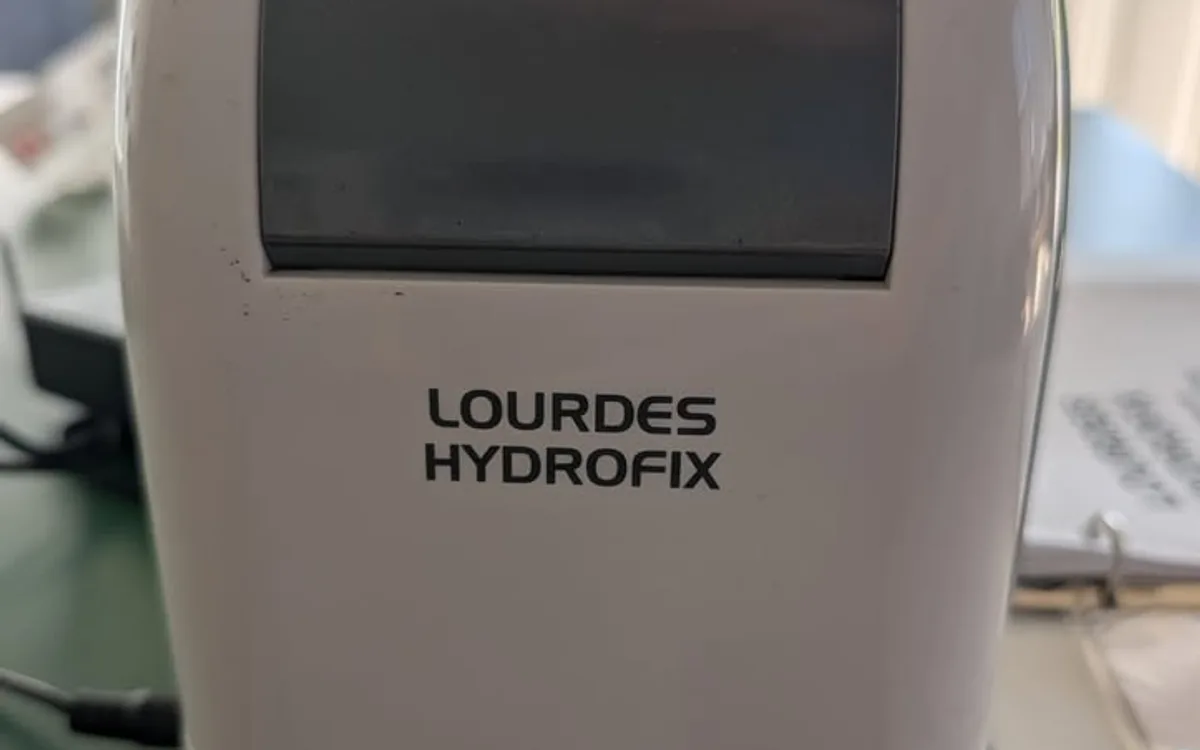
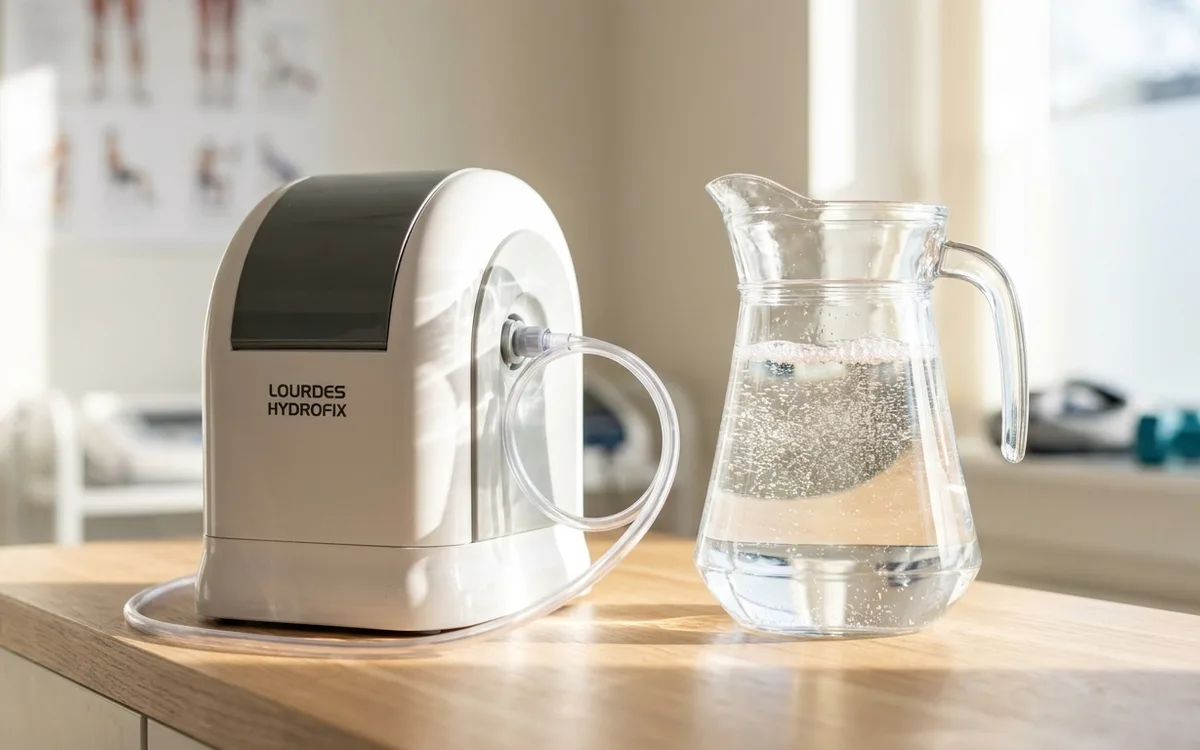
- Home generator: A Japanese-engineered countertop machine like the Lourdes Hydrofix retails for roughly $2,600.
Purchasing a home machine pays for itself in less than 4 months. You also get the convenience of daily, unlimited sessions at home without travel time.
To see specific options, read my hands-on comparison of the best hydrogen inhalation machines to find the right PEM-membrane unit for your setup.