Quick Summary
When inhaled, molecular hydrogen (H2) passes through the lungs into the bloodstream for rapid systemic circulation. Because H2 is the smallest molecule in existence, it crosses the blood-brain barrier and penetrates cell membranes easily. Inside the cell, it neutralizes harmful hydroxyl radicals, protects mitochondrial DNA, and reduces oxidative stress without disrupting normal cell-signaling pathways.
As a Certified Athletic Therapist and clinical researcher, I evaluate modalities by how they interact with cellular physiology. Drinking hydrogen water supports gut and metabolic health, but breathing hydrogen gas delivers a higher systemic concentration directly to the brain, nervous system, and cardiovascular tissues.
Here is what happens in your body when you breathe H2 gas.
1. Alveolar Diffusion and Systemic Delivery

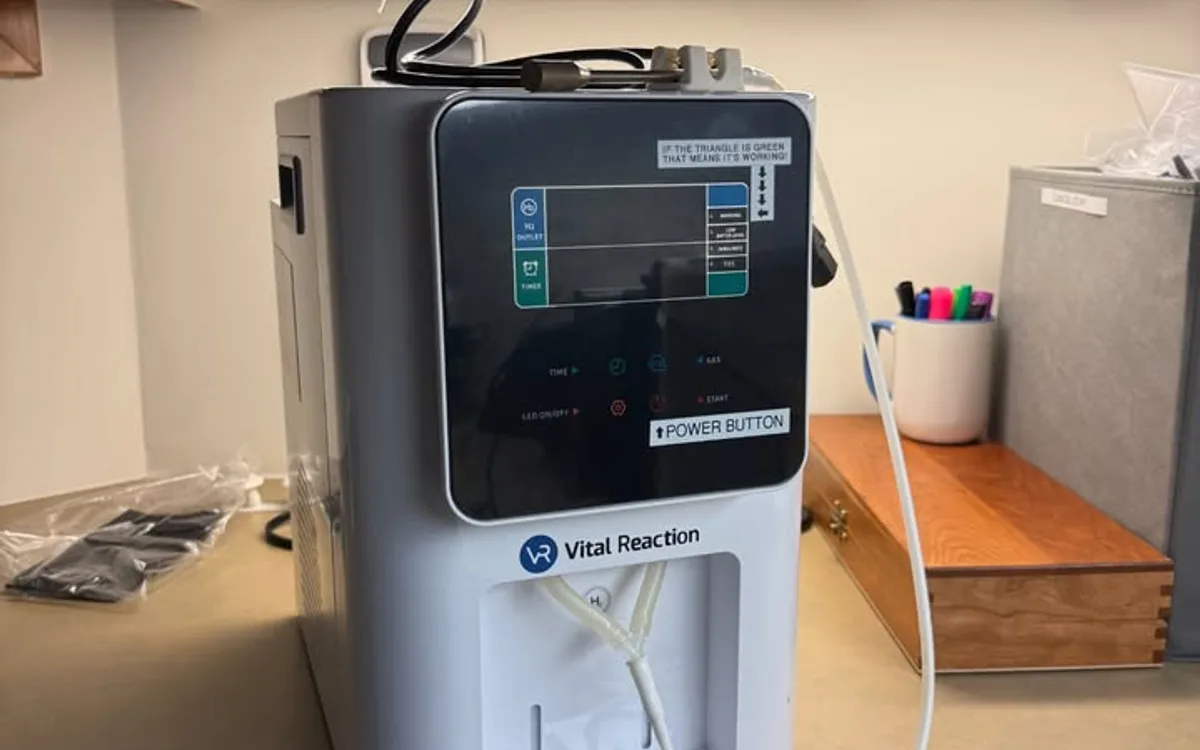
The moment you breathe hydrogen gas through a nasal cannula connected to a certified hydrogen inhalation machine, the gas enters your lungs.
Because hydrogen is light and small, it does not require active transport systems or protein receptors. It diffuses across the thin alveolar membrane in the lungs directly into the pulmonary capillary bed. From there, oxygenated blood carries it to the left side of the heart, where it is pumped throughout the body.
Within minutes, tissues throughout your body, including your organs, muscles, and brain, receive molecular hydrogen.
2. Crossing the Blood-Brain Barrier
The blood-brain barrier (BBB) is a tight layer of endothelial cells that prevents toxins, pathogens, and many therapeutic compounds from entering the central nervous system.
The BBB does not block molecular hydrogen. Because H2 is neutrally charged and small, it diffuses across the barrier readily.
This makes hydrogen inhalation especially useful for neurological health. Inside the brain, H2 targets localized inflammation, buffers oxidative stress, and helps alleviate the mental fatigue often described as brain fog.
3. Protecting Mitochondrial Function
Once hydrogen reaches a target cell, it passes through the outer membrane and nuclear envelope to reach the nucleus and mitochondria.
Mitochondria produce cellular energy (ATP), but that process naturally generates reactive oxygen species (ROS). During heavy physical training, injury, or chronic stress, ROS levels rise and can cause oxidative damage to mitochondrial DNA and structural proteins.
Hydrogen protects the mitochondria in two ways:
- Selective scavenging: H2 targets and neutralizes the most reactive free radical, the hydroxyl radical, converting it into harmless water (H2O).
- Preserving signaling molecules: It leaves necessary signaling molecules (such as nitric oxide and low-level hydrogen peroxide) intact, allowing muscles and the immune system to adapt to training normally.
Clinical Application
Breathing hydrogen gas introduces a selective antioxidant that reaches deep cellular compartments that larger antioxidant molecules cannot penetrate.
For home use, choose a generator with documented gas purity. Read my clinical review of the best hydrogen inhalation machines to compare safety features, flow rates, and price points.
References
- Ohsawa I, et al. "Hydrogen acts as a therapeutic antioxidant by selectively reducing cytotoxic oxygen radicals." Nature Medicine, 2007;13(6):688-694. https://doi.org/10.1038/nm1577
- Ohta S. "Molecular hydrogen as a preventive and therapeutic medical gas: initiating the pathway of modern medicine." Pharmacology & Therapeutics, 2014;144(1):1-11. https://doi.org/10.1016/j.pharmthera.2014.04.006