Quick Verdict
Hydrogen inhalation therapy is not FDA approved as a medical treatment for specific diseases in the United States. Molecular hydrogen gas holds GRAS (Generally Recognized As Safe) status from the FDA when dissolved in water or inhaled at low concentrations, meaning machines are sold legally as wellness and fitness devices. In contrast, Japan's Ministry of Health officially approved hydrogen gas inhalation as an Advanced Medical Treatment for post-cardiac arrest syndrome in hospital settings.
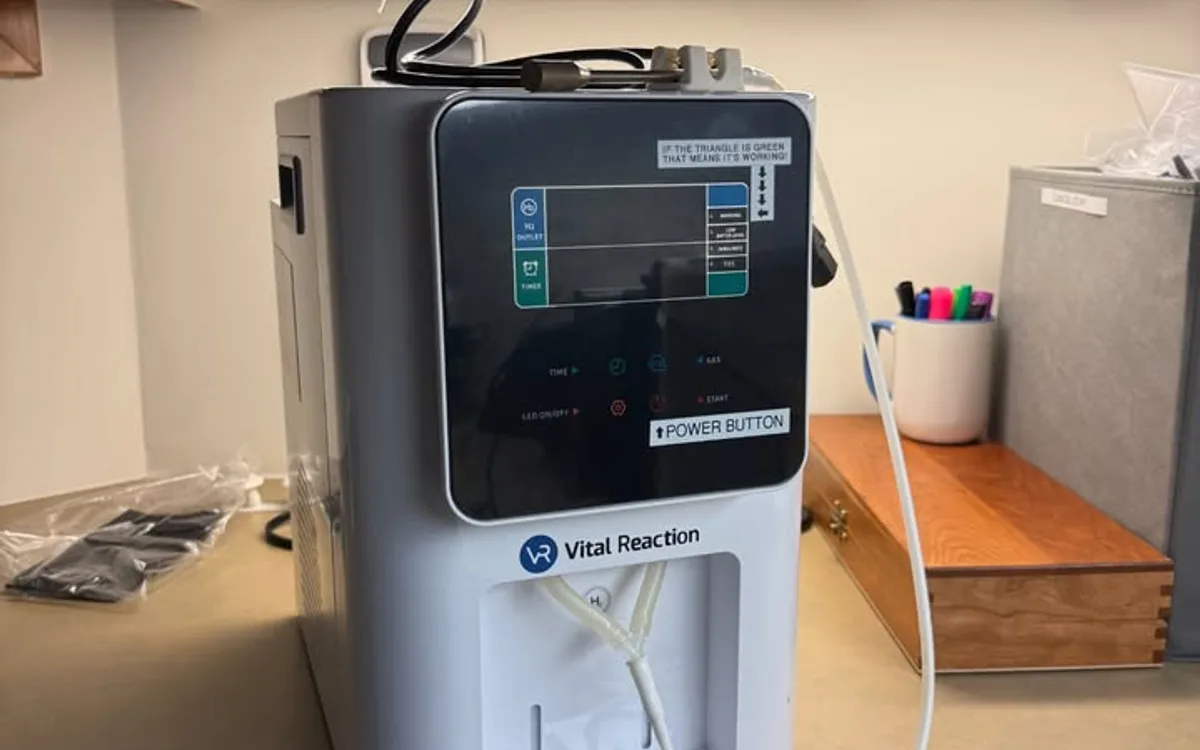
Patients often ask about the regulatory status of molecular hydrogen after seeing online claims that a device is "FDA Registered" or "FDA Approved."
Understanding the difference between registration, approval, and international medical standards helps clarify what you are buying.
1. FDA Approval vs. FDA Registration
It is common to see hydrogen machines advertised as "FDA Registered." The two designations mean very different things:
- FDA Registration: This is an administrative filing. Facilities manufacturing medical or wellness products must register with the FDA database. Registration is not an endorsement of product quality, safety, or therapeutic efficacy.
- FDA Approval: This requires multi-phase clinical trials showing that a drug or device successfully treats a specific medical condition. The FDA has not evaluated hydrogen inhalation therapy as a prescription treatment.
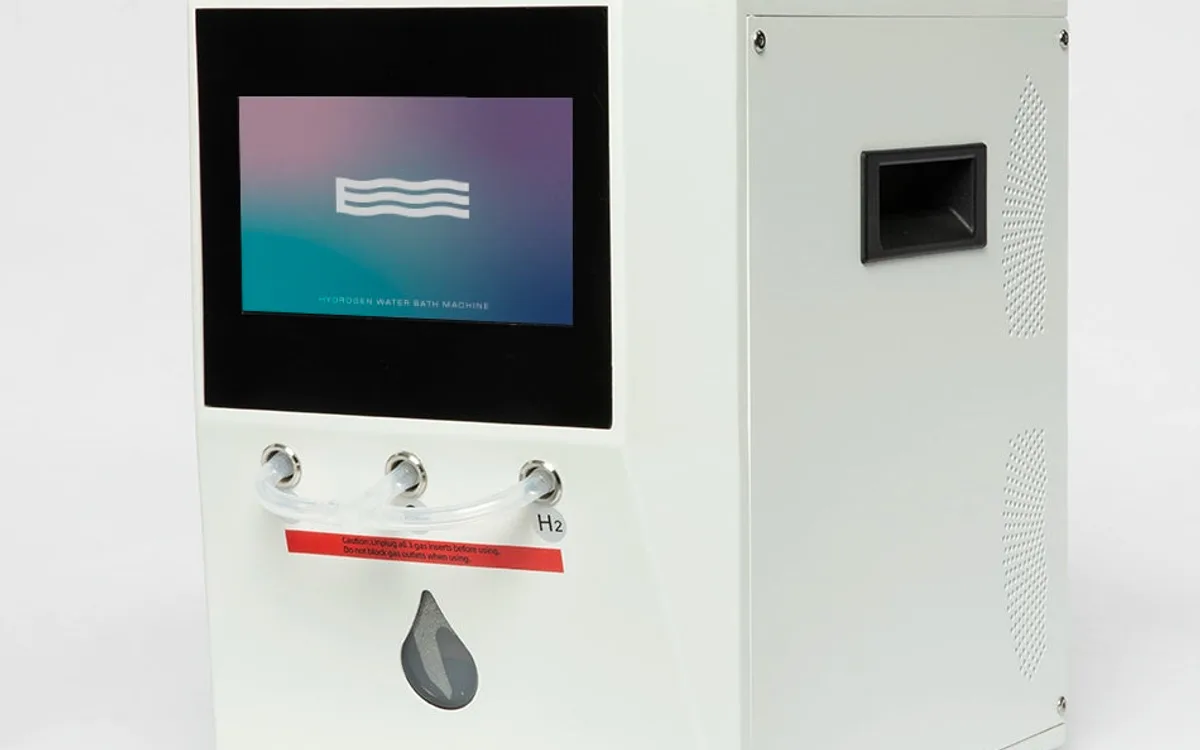
Because of this distinction, home hydrogen machines in the United States are classified as general wellness and recovery devices rather than medical treatments.
2. The FDA GRAS Designation
While the FDA has not approved hydrogen as a prescription drug, it has evaluated its dietary safety:
- In 2014, the FDA issued a Generally Recognized As Safe (GRAS) notice for molecular hydrogen gas dissolved in water.
- This designation confirms that hydrogen is non-toxic, has no known harmful side effects, and is safe for consumption.
- The body easily eliminates excess hydrogen through respiration, which accounts for its clean safety record in clinical trials.
3. Hospital Standards in Japan
While North American regulations treat hydrogen as a wellness modality, Japan has integrated hydrogen gas into clinical medicine:
- In 2016, Japan's Ministry of Health, Labour and Welfare designated hydrogen gas inhalation as an Advanced Medical Treatment Class B for use in hospital emergency departments.
- Japanese clinical trials showed that administering 2% hydrogen gas inhalation to patients recovering from cardiac arrest helped protect brain tissue, preserve neurological function, and improve survival rates.
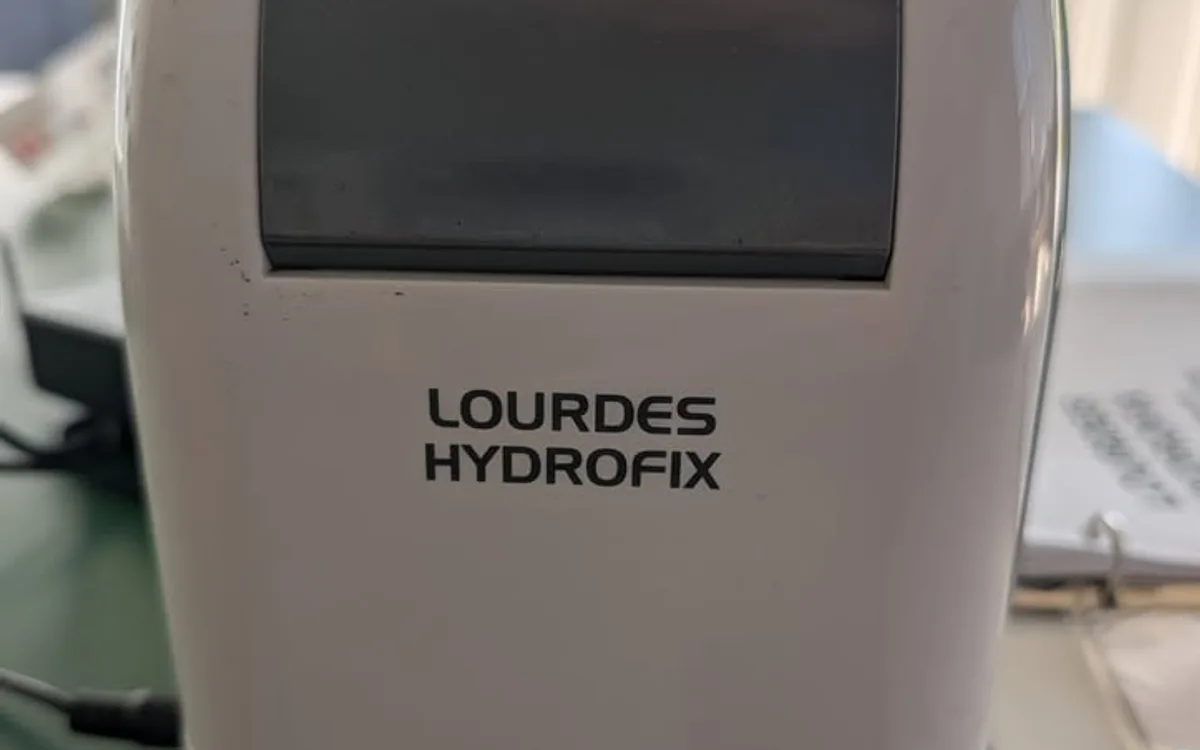
- As a result of these clinical applications, Japanese manufacturers maintain strict engineering and purity standards.
What This Means for Buyers
If a manufacturer claims their machine is "FDA approved to cure disease," that claim violates regulatory rules. Look for manufacturers that provide verified purity reports, build quality documentation, and third-party laboratory certifications (such as Japan Food Research Laboratories testing).
For an evaluation of which home machines meet these engineering standards, read my guide to the best hydrogen inhalation machines.