Quick Verdict: Efficacy
Yes, hydrogen inhalation therapy works by delivering molecular hydrogen gas directly into the bloodstream, where it crosses the blood-brain barrier for cellular protection. Peer-reviewed trials show that it reduces oxidative markers such as malondialdehyde, improves exercise performance, and eases joint discomfort in inflammatory conditions.
In the recovery and wellness space, marketing claims often outpace scientific evidence. As a Certified Athletic Therapist and clinical researcher, I evaluate therapies based on documented physiological outcomes in peer-reviewed trials.
Molecular hydrogen (H2) inhalation has a clear mechanism supported by biochemistry and published trials.
Biochemical Mechanism: How It Works
Understanding why hydrogen inhalation works comes down to the chemistry of free radicals and cellular oxidation:
- Selective scavenging: High-intensity exercise, environmental toxins, and chronic stress generate reactive oxygen species (ROS). While some ROS serve as necessary signaling molecules, others (such as the hydroxyl radical) damage DNA, lipids, and proteins. H2 selectively neutralizes these toxic radicals, converting them into harmless water (H2O).
- Cellular penetration: Because H2 is the smallest molecule, it easily passes through cell membranes to reach the mitochondria and cell nucleus.
- Direct delivery: Inhaling hydrogen lets the gas diffuse across the alveoli of the lungs straight into arterial circulation. This delivers a fast, systemic dose throughout the body without passing through the digestive tract.
What the Peer-Reviewed Research Shows
Several decades of research document the physiological effects of molecular hydrogen:
- Landmark study in Nature Medicine (2007): A paper published in Nature Medicine (PMID: 17486089) demonstrated that molecular hydrogen acts as a selective antioxidant. The study showed that H2 gas neutralized toxic hydroxyl radicals and protected cells from acute oxidative damage.
- Exercise recovery and fatigue: In clinical trials, athletes inhaling hydrogen gas after hard training showed significant drops in blood lactate levels and muscle damage markers such as creatine kinase, leading to faster recovery and reduced muscle soreness.
- Neurological support: Because H2 crosses the blood-brain barrier, researchers study its neuroprotective properties. Trials indicate that inhaling hydrogen gas suppresses neuroinflammation and helps preserve cognitive function under oxidative stress.
- Systemic inflammation: Studies tracking patients with joint issues show that daily H2 gas inhalation lowers pro-inflammatory markers such as C-reactive protein (CRP) and TNF-alpha, leading to better joint mobility and less discomfort.
Choosing a Validated Inhalation Device
Getting therapeutic results requires a reliable dose of pure H2 gas.
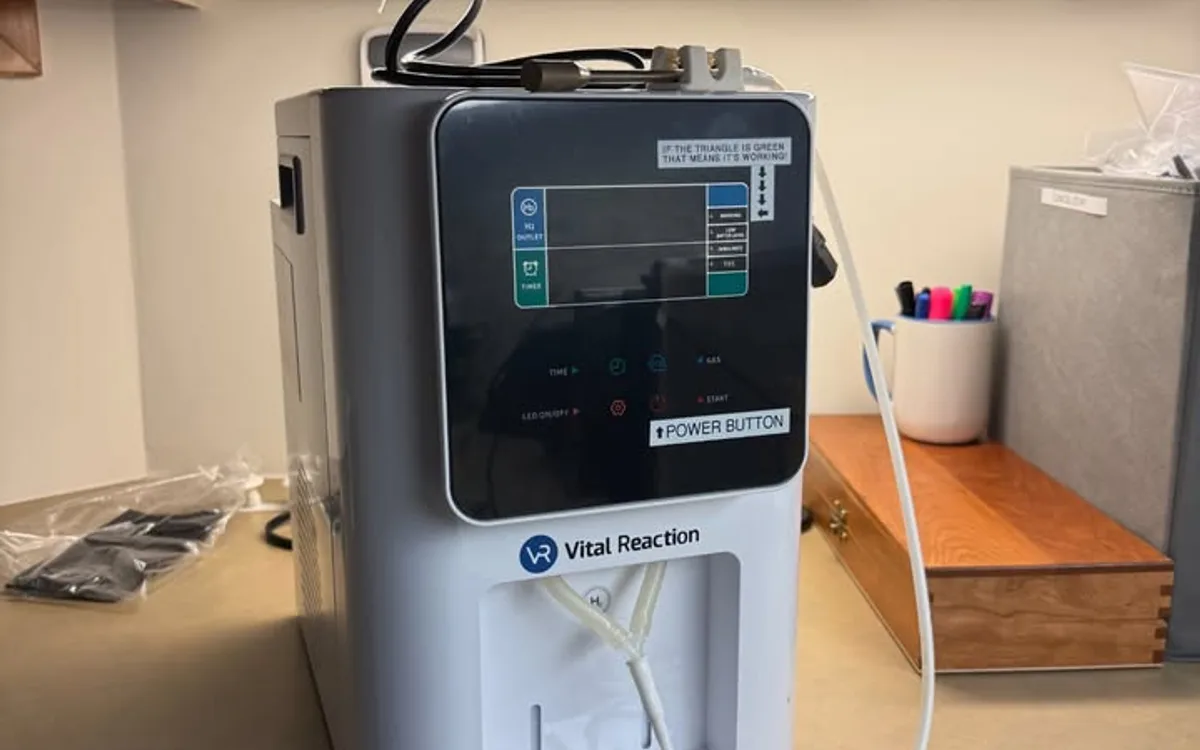
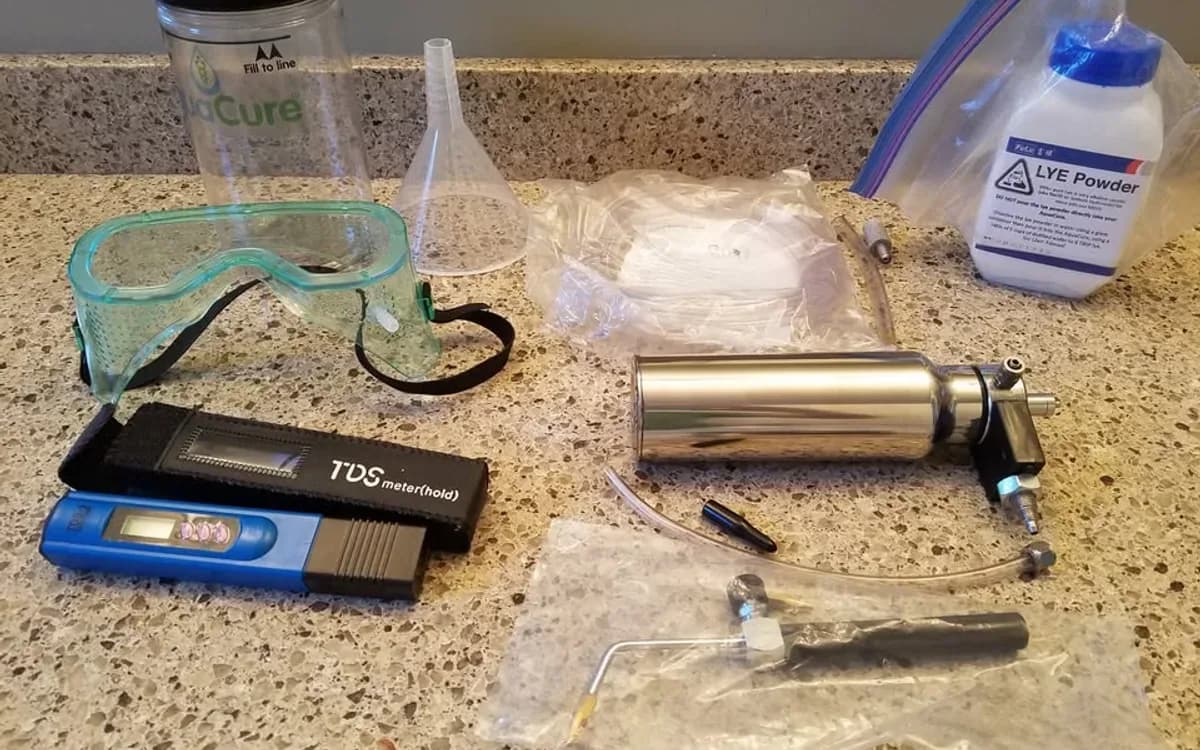
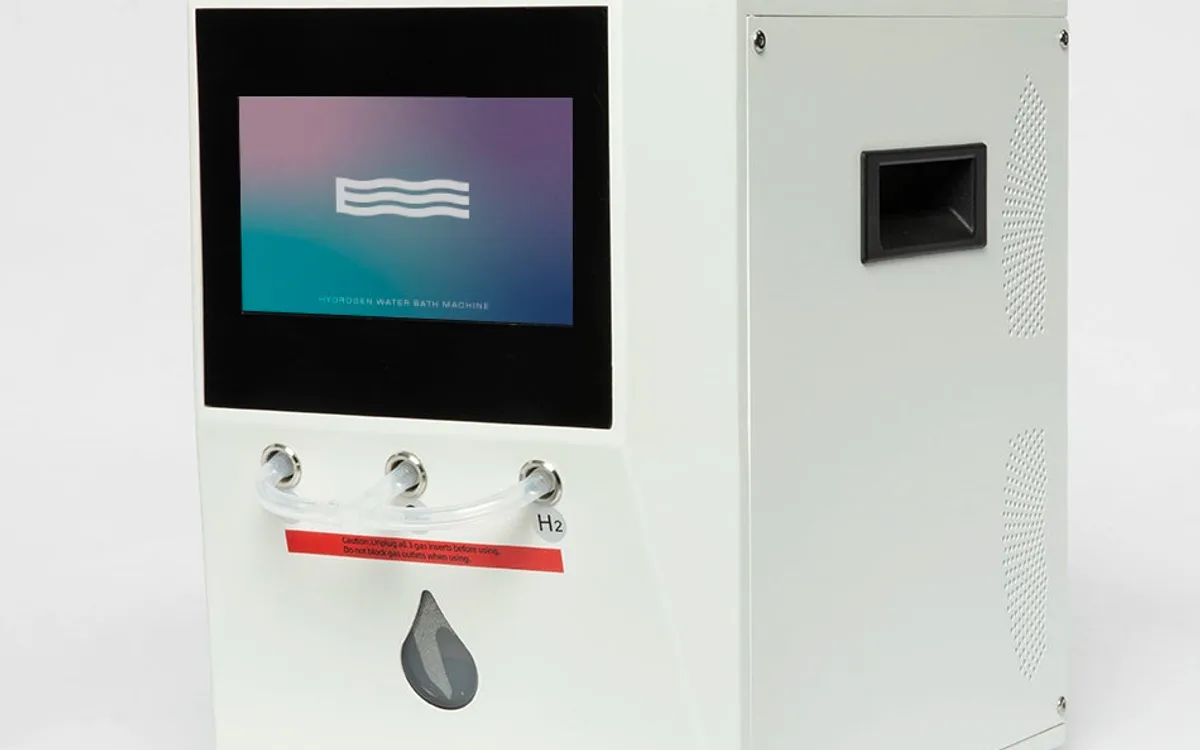
Cheap portable bottles or uncertified devices generate minimal hydrogen and risk releasing ozone or heavy metals. For reliable output, look for a machine that uses Solid Polymer Electrolyte (SPE) and Proton Exchange Membrane (PEM) technology with a minimum gas flow rate of 120 mL/min.
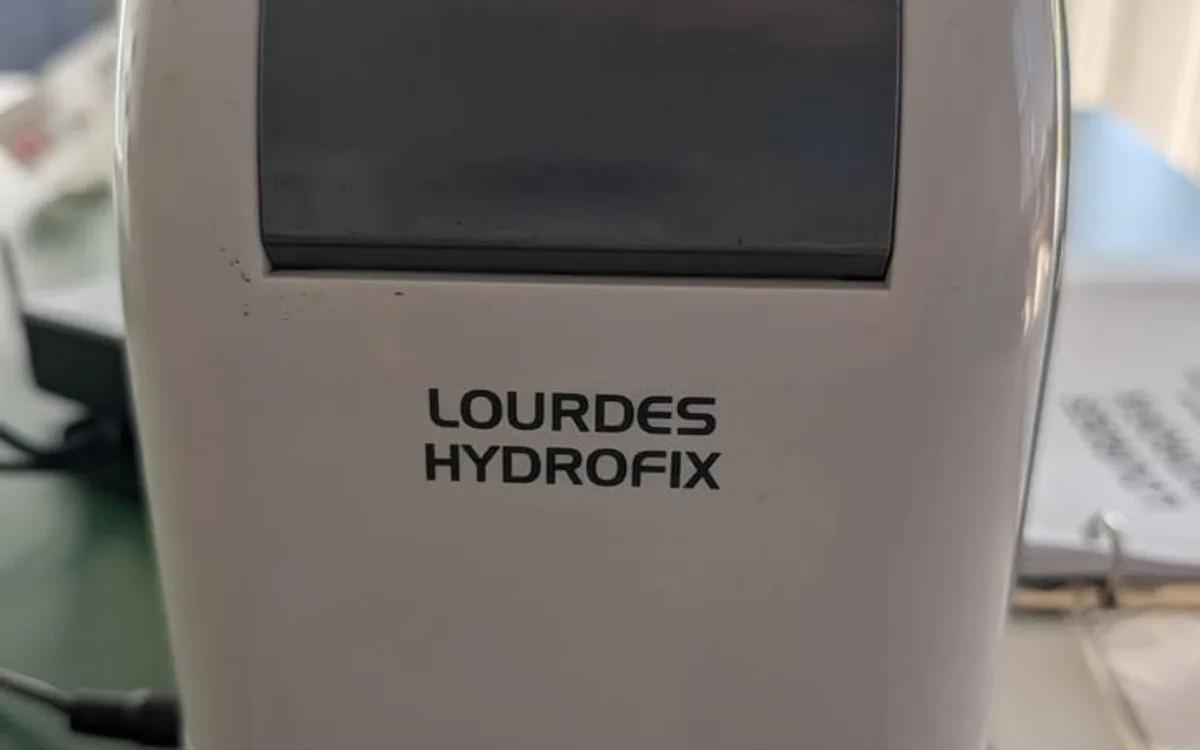
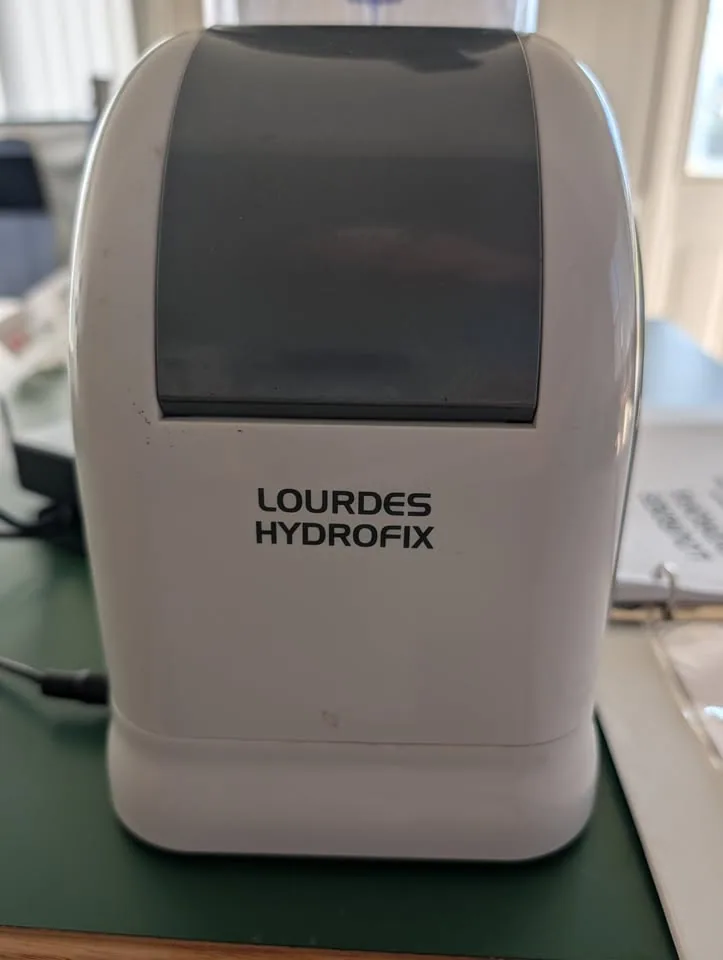
The device I recommend is the Lourdes Hydrofix Premium Edition, distributed in North America by Holy Hydrogen. It is manufactured in Japan and tested to deliver 99.999% pure H2 gas.
Related Resources
- Complete guide on hydrogen inhalation therapy benefits and protocols.
- Compare clinical-grade options in my best hydrogen water machines guide.
- Read my hands-on Lourdes Hydrofix Review.