Quick Verdict
Molecular hydrogen inhalation provides direct support to lung tissue. Because the gas is inhaled, the respiratory tract receives the highest initial concentration of H2. Research indicates that hydrogen acts as a selective antioxidant and anti-inflammatory agent in the lungs, soothing inflamed bronchial tissues, protecting against oxidative injury, and supporting oxygenation during exertion.
In physical therapy and athletic training, respiratory recovery is a major factor for clients managing chronic inflammatory issues or high training volumes.
Because hydrogen gas is delivered through a nasal cannula, the lungs are the first point of contact. This direct route makes inhalation effective for targeting airway inflammation and supporting endurance.
1. Direct Delivery and Alveolar Protection

When you drink hydrogen water, the H2 gas travels through the digestive tract, liver, and systemic circulation before reaching lung tissue, resulting in a lower localized dose.
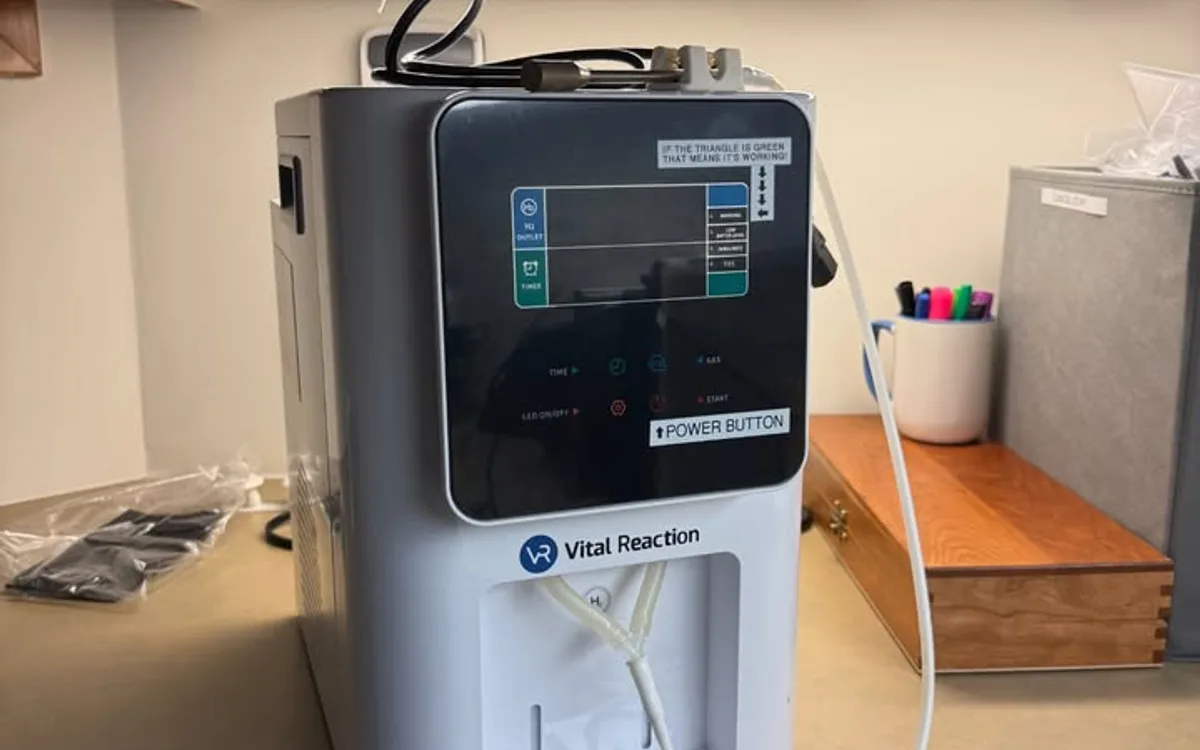
In contrast, breathing gas through a hydrogen breathing machine delivers molecular hydrogen directly to the alveoli in the lungs.
Because H2 is a selective antioxidant, it neutralizes toxic hydroxyl radicals generated by environmental pollution, smoke, or heavy respiratory workload during exercise. This local protection helps preserve lung tissue elasticity and supports normal gas exchange.
2. Clinical Research on Inflammatory Airway Conditions
Trials and animal models have evaluated hydrogen gas for several inflammatory respiratory conditions:
- Asthma and allergies: A study in Frontiers in Pharmacology showed that inhaling hydrogen gas down-regulated inflammatory cytokines such as IL-4 and IL-13 and reduced airway hyperresponsiveness.
- COPD (Chronic Obstructive Pulmonary Disease): Research suggests that hydrogen's anti-inflammatory properties limit cellular damage from chronic smoke exposure, helping preserve pulmonary function over time.
- Acute respiratory distress: Studies have evaluated hydrogen gas in clinical settings to protect lung tissue from ventilator-induced lung injury (VILI) and viral respiratory complications.
3. Sports Recovery and Respiratory Fatigue
For endurance athletes, respiratory fatigue often limits performance. Heavy training increases breathing rate, which raises oxidative stress in the respiratory muscles and impairs oxygen uptake.
Post-workout hydrogen inhalation helps in three distinct ways:
- Speeds up lactate clearance and metabolic waste removal.
- Reduces subjective chest tightness and speeds up heart rate recovery.
- Supports mitochondrial ATP production under high oxygen demands.
Equipment Quality Considerations
The purity of the gas you breathe matters. If a generator lacks proper gas separation, you risk inhaling trace contaminants that irritate the airways.
Make sure your machine uses a verified SPE/PEM membrane. To compare safety certifications and flow rates, see my clinical guide to the best hydrogen inhalation machines.
References
- Huang P, et al. "Hydrogen gas inhalation ameliorates airway inflammation in asthmatic mice." Frontiers in Pharmacology, 2018;9:738. https://doi.org/10.3389/fphar.2018.00738
- Guan WJ, et al. "Hydrogen/oxygen mixed gas inhalation improves symptoms in patients with tracheal stenosis." Journal of Thoracic Disease, 2018;10(10):5889. https://doi.org/10.21037/jtd.2018.09.112