Hydrogen Inhalation Machines: Quick Verdict
Our Top Pick: The Lourdes Hydrofix Premium Edition is our top recommendation and the best overall choice. It blends 99.9%+ Japanese-built purity, 120 mL/min flow rate, and premium hydrogen-rich water generation into a reliable $2,600 countertop package.
For Maximum Output / Multiple Users: The Echo Refresh puts out up to 1,800 mL/min at 99.999% purity with a dual-cannula setup, making it the clinical gold standard (albeit at a premium $7,499 price).
Use code SYNCTHERAPY for exclusive discounts ($100 off Lourdes Hydrofix) at checkout.
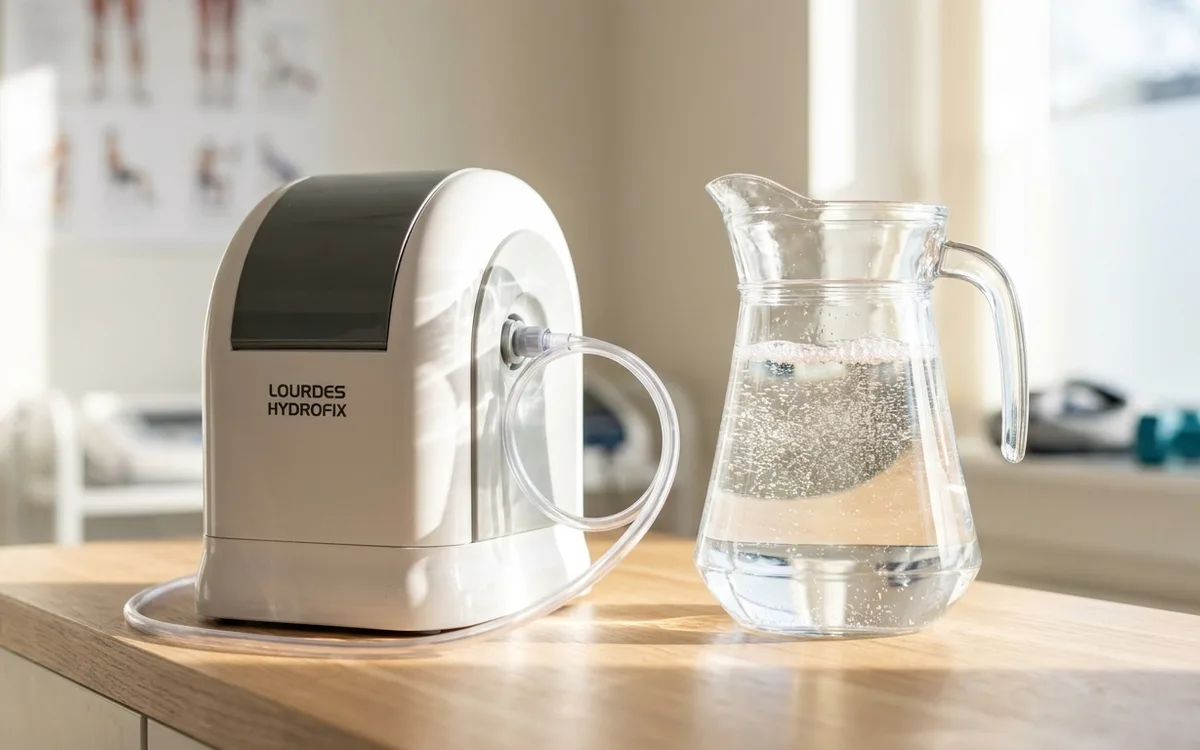
Affiliate disclosure: This article contains affiliate links, and I may earn a commission if you buy through them at no extra cost to you. Here is what that means for how I ranked things: the two machines I recommend most, the Lourdes Hydrofix and the Echo Refresh, are ones I use in my own practice. The rest I've evaluated based on specifications, safety documentation, and independent testing. Wherever I'm working from spec sheets instead of hands-on use, I state so clearly in that section.
Hydrogen inhalation has gone from specialized hospital research to one of the fastest-growing recovery tools in home wellness. Prices run from $300 budget boxes to $7,500 clinical systems. Flow rates, purity percentages, and safety designs vary widely, and many online reviews simply repeat manufacturer spec sheets.
I've spent over 12 years and more than 10,000 clinical hours working with athletes and rehabilitation patients, and I use hydrogen inhalation daily in my practice. What follows is my clinical ranking, including the units worth buying and the ones to avoid.
Short on time? My top pick is the Lourdes Hydrofix Premium Edition, the machine I run daily in clinic. Code SYNCTHERAPY gives you $100 off.
How I Tested These Machines
Here is the evaluation criteria behind this ranking:
The Lourdes Hydrofix and Echo Refresh are machines I run in clinic. My notes on noise levels, startup times, cannula comfort, and water maintenance come from daily clinical use.
For other machines, I evaluated third-party purity documentation, verified flow rates, electrode materials, safety engineering, and warranty coverage. Where figures rely solely on manufacturer claims, I indicate that clearly.
My primary criteria in order are: documented gas purity, physical gas separation and safety engineering, build quality, and ease of daily operation. A loud or finicky machine quickly gets abandoned in a closet.
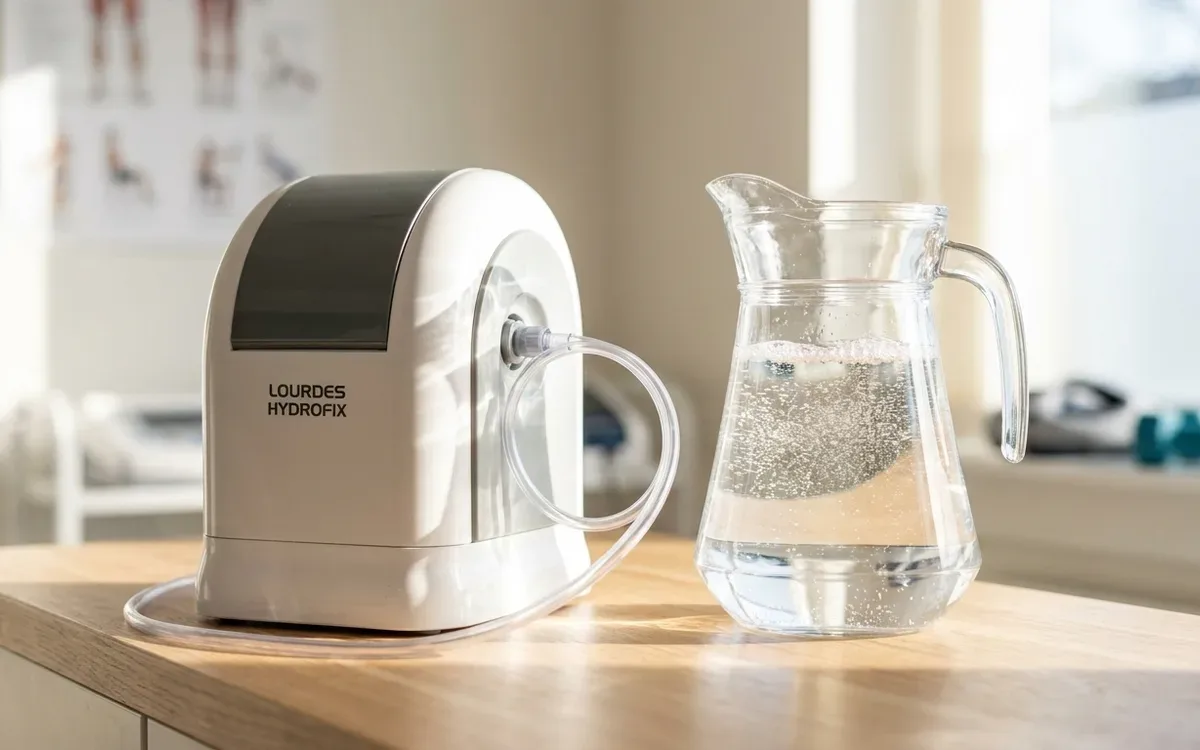
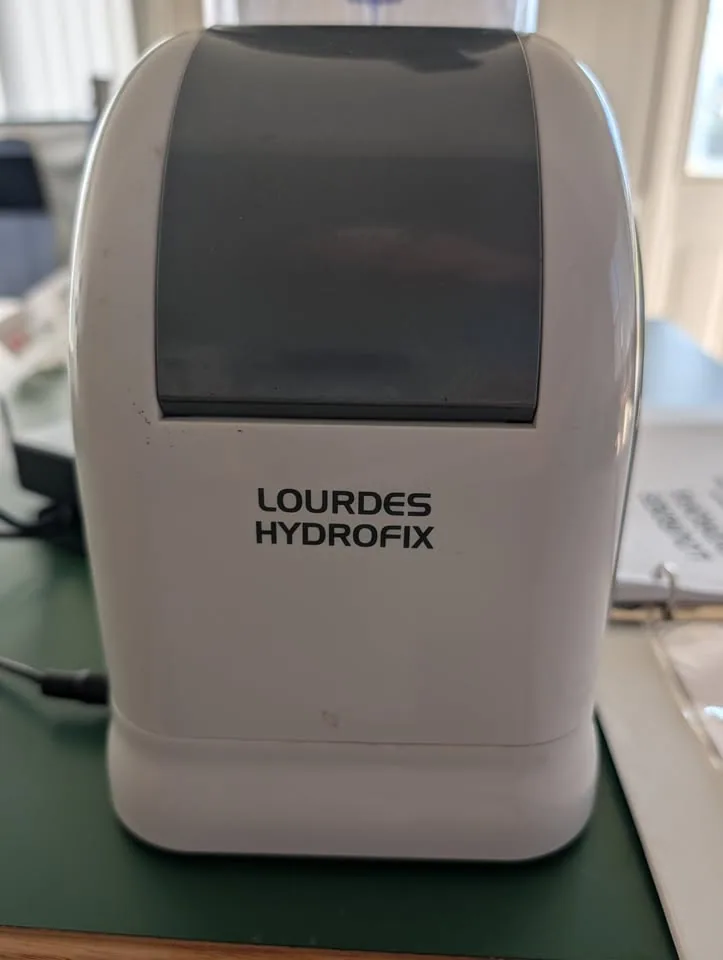 🔍 Click to ExpandLourdes Hydrofix hydrogen inhalation machine running on counter
Quick Comparison: Best Hydrogen Inhalation Machines (2026)
| Device | Best for | H₂ Flow Rate | Purity | Type | Price (USD) |
|---|---|---|---|---|---|
| Lourdes Hydrofix Premium | Best overall (my pick) | ~120 ml/min | 99.9%+ | H₂ inhalation + hydrogen water | ~$2,600 |
| Echo Refresh | Highest output / two users | Up to 1,800 ml/min | 99.999% (claimed) | H₂ + O₂, 3-channel | $7,499.99 |
| Vital Reaction Clinical | Clinical settings | 600 ml/min | 99.9% | Pure H₂ | $3,995 to $5,995 |
| AquaCure AC50 | Brown's gas / multi-use | ~640 ml/min (verified) | 66% H₂ / 33% O₂ | Oxyhydrogen | ~$1,900 to $2,500 |
| Promolife H2 System | Inhalation + drinking combo | ~567 ml/min | High-purity PEM | H₂ + hydrogen water | ~$2,400 to $2,700 |
| Qlife H2 Respire | Portability | 150 ml/min | 99.9% | H₂ + O₂ | ~$500 to $600 |
| VEVOR Hydrogen Machine | Budget curiosity (with caveats) | ~150 ml/min | Varies / undocumented | H₂ | ~$300 to $600 |
Prices and specifications verified as of July 2026. Purity and flow figures are marked "claimed" where independent testing is not available.
What Is Hydrogen Inhalation Therapy?
You breathe molecular hydrogen gas (H₂) through a nasal cannula connected to a generator that electrolyzes distilled water on demand. Because H₂ is the smallest molecule in existence, it diffuses quickly across alveolar membranes into the bloodstream and cellular tissue. Inhaling delivers significantly more hydrogen volume per minute than drinking hydrogen-rich water.
Research centers on molecular hydrogen functioning as a selective antioxidant. It reacts primarily with cytotoxic reactive oxygen species like hydroxyl radicals (•OH) while preserving essential physiological signaling molecules. A landmark 2007 study in Nature Medicine by Ohsawa and colleagues showed inhaled hydrogen neutralizing hydroxyl radicals and protecting neural tissue in animal models.1 Subsequent studies have investigated hydrogen in oxidative stress, inflammatory signaling, athletic recovery, and metabolic health.2
Human clinical trials are still expanding. While molecular hydrogen is a promising recovery and wellness modality with an excellent safety profile, it should be treated as a supportive wellness tool rather than a disease cure.
How I Ranked These Machines
When assessing a hydrogen therapy machine or molecular hydrogen inhalation machine, I evaluate five core points:
- Gas purity: The clinical baseline is 99.9%+ via true PEM or SPE electrolysis. Substandard units can produce trace ozone or chlorine byproducts.
- Flow rate: A minimum of 120 to 150 mL/min for dedicated home inhalation. Higher flow delivers the target gas volume in less time.
- Gas separation and safety: Pure H₂ systems isolate hydrogen from oxygen. Oxyhydrogen (Brown's gas) systems mix the two gases and require specialized flame arrestors and pressure reliefs.
- Electrode construction: High-grade solid titanium-platinum plates outlast cheap plated meshes.
- Daily friction: Quiet operation and simple one-touch controls encourage consistent daily use.
1. Lourdes Hydrofix Premium Edition: Best Overall
My clinical daily machine. Code SYNCTHERAPY for $100 off.
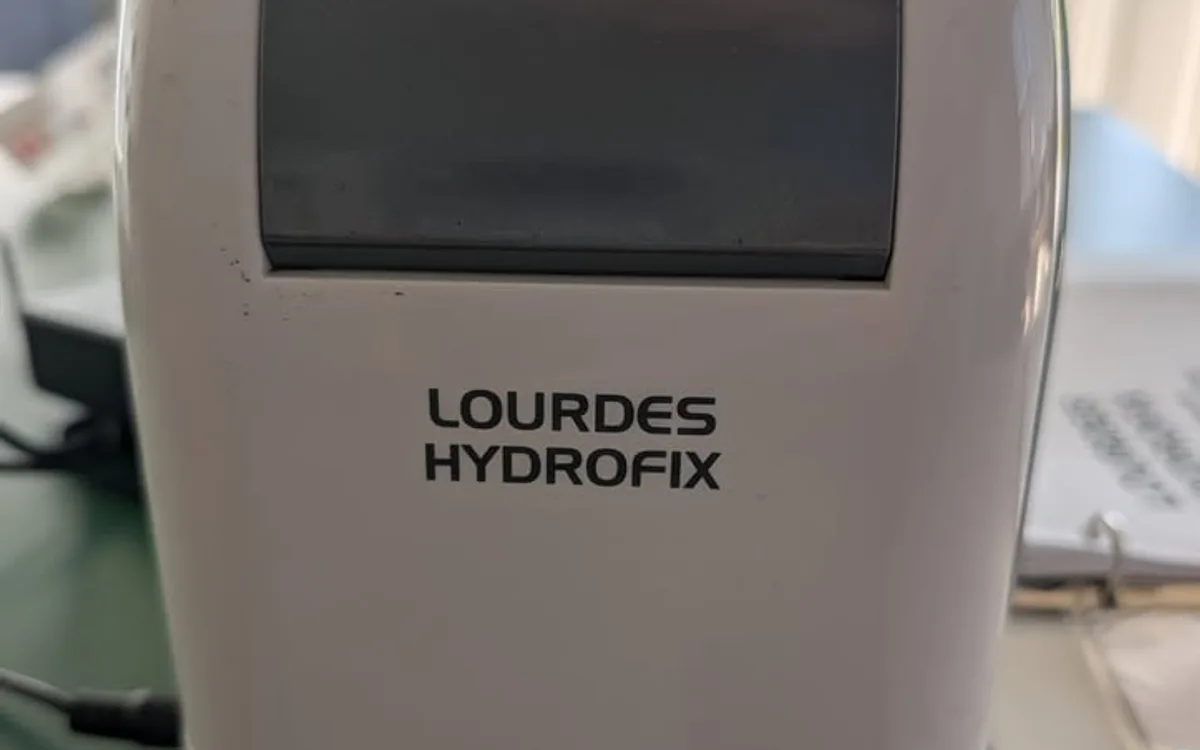
🔍 Click to ExpandLourdes Hydrofix Premium Edition hydrogen water machine
This is the machine I run in clinic and recommend most often. It provides the ideal balance of gas purity, solid engineering, and straightforward daily operation.
Built in Japan using solid titanium-platinum electrodes from Nippon Steel, it produces pure hydrogen gas at a verified rate of ~120 mL/min. It also generates dissolved hydrogen water up to 1.6 PPM in its included pitcher. The Premium Edition Complete Set retails around $2,600, with financing options around $225 to $235 per month.
Here is what it is like in everyday clinical use:
- Noise level: It produces a gentle hum, similar to a quiet computer cooling fan, making it easy to run during consultations or on a bedroom nightstand.
- Startup: Gas begins flowing within 30 seconds of pressing the start button.
- Water maintenance: Uses any kind of clean water—no special water is required, with the cartridge needing replacement just once a year.
- Cannula comfort: The included medical-grade silicone cannula fits comfortably over the ears without plastic odor during 30 to 60 minute sessions.
Its main limitation is flow rate: 120 mL/min is moderate compared to commercial multi-user units like the Echo Refresh. However, for home use, purity, and low maintenance, it remains my top recommendation.
→ Shop the Lourdes Hydrofix ($100 off with code SYNCTHERAPY)
2. Echo Refresh: Best High-Output Machine (and Best for Two People)
High-output clinical option. Code SYNCTHERAPY.
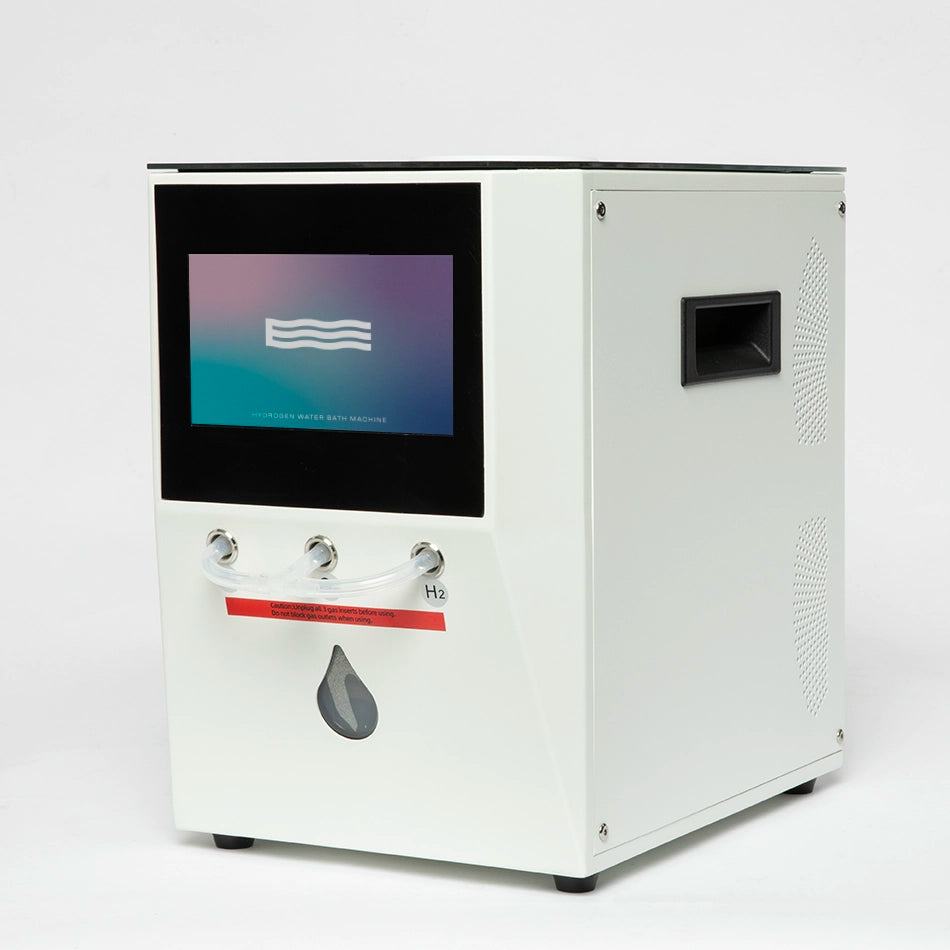 🔍 Click to ExpandEcho Refresh hydrogen inhalation machine
Where the Lourdes focuses on compact refinement, the Echo Refresh is built for high volume. It delivers up to 1,800 mL/min of gas using SPE/PEM membranes at a claimed 99.999% purity.
Its three-channel setup includes two hydrogen ports and one oxygen port, allowing two users to inhale simultaneously. You can choose pure hydrogen, pure oxygen, or a customized blend.
Observations from clinical testing:
- Size and weight: At around 30 lbs, this is a substantial tabletop machine meant to stay in a permanent location.
- Touchscreen controls: The 7-inch color display allows quick adjustment of session timing (30 or 60 minutes) and flow rate.
- Dual-user output: Running two cannulas simultaneously delivers roughly 900 mL/min per port, making it practical for clinics or couples.
Echo has established customer support in North America, and the unit is FSA/HSA eligible.
The price is $7,499.99, making it an investment primarily suited for wellness centers, sports clinics, or shared household use.
→ Shop the Echo Refresh (code SYNCTHERAPY)
3. Vital Reaction Clinical Hydrogen Inhaler: Best Clinical-Grade
Evaluated based on technical specifications and third-party laboratory data.
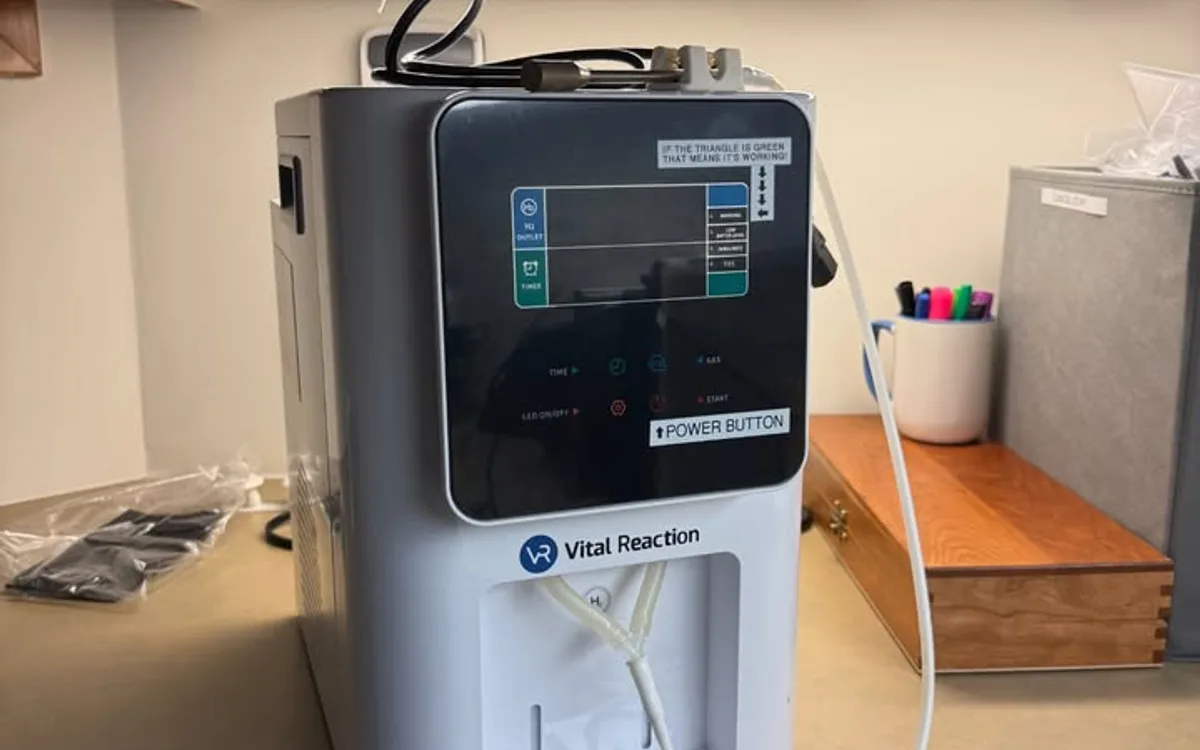
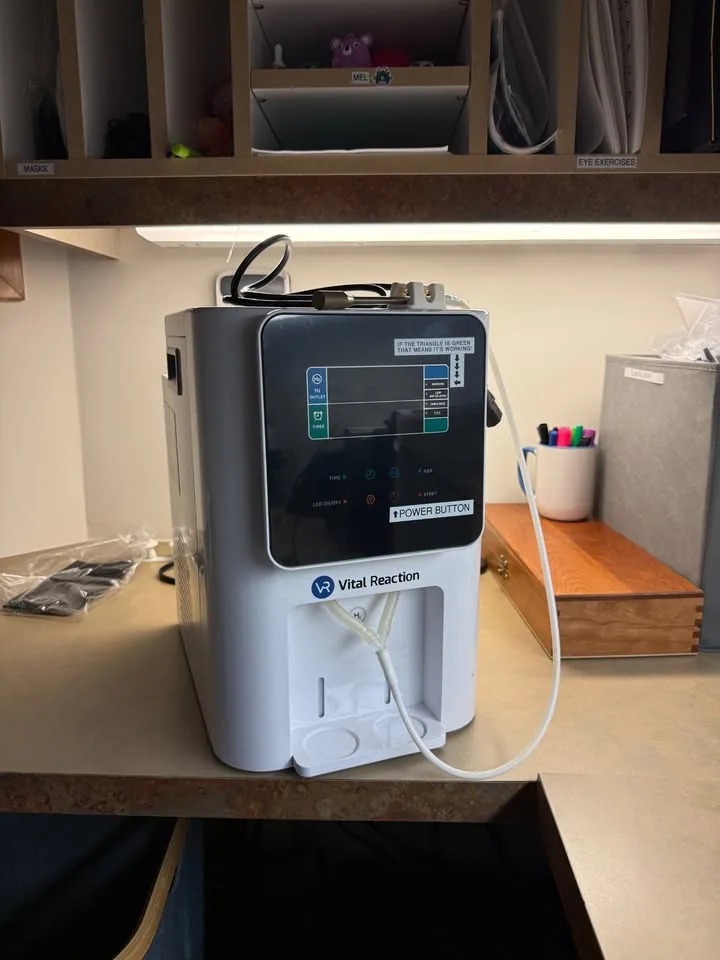 🔍 Click to ExpandVital Reaction Clinical Hydrogen Inhaler
The Vital Reaction Clinical Inhaler is frequently utilized in biohacking studios and integrative practices. It generates 600 mL/min of pure hydrogen at 99.9% purity through SPE/PEM electrolysis, running on pure distilled water without caustic chemical additives.
It includes a 60-day trial period and a 365-day manufacturer warranty covering service or replacement.
Pricing ranges between $3,995 and $5,995 depending on configuration. It does not include a hydrogen water generation pitcher, making it a dedicated inhalation-only machine.
4. AquaCure AC50: Best Brown's Gas (Oxyhydrogen) Machine
Evaluated based on independent technical documentation.
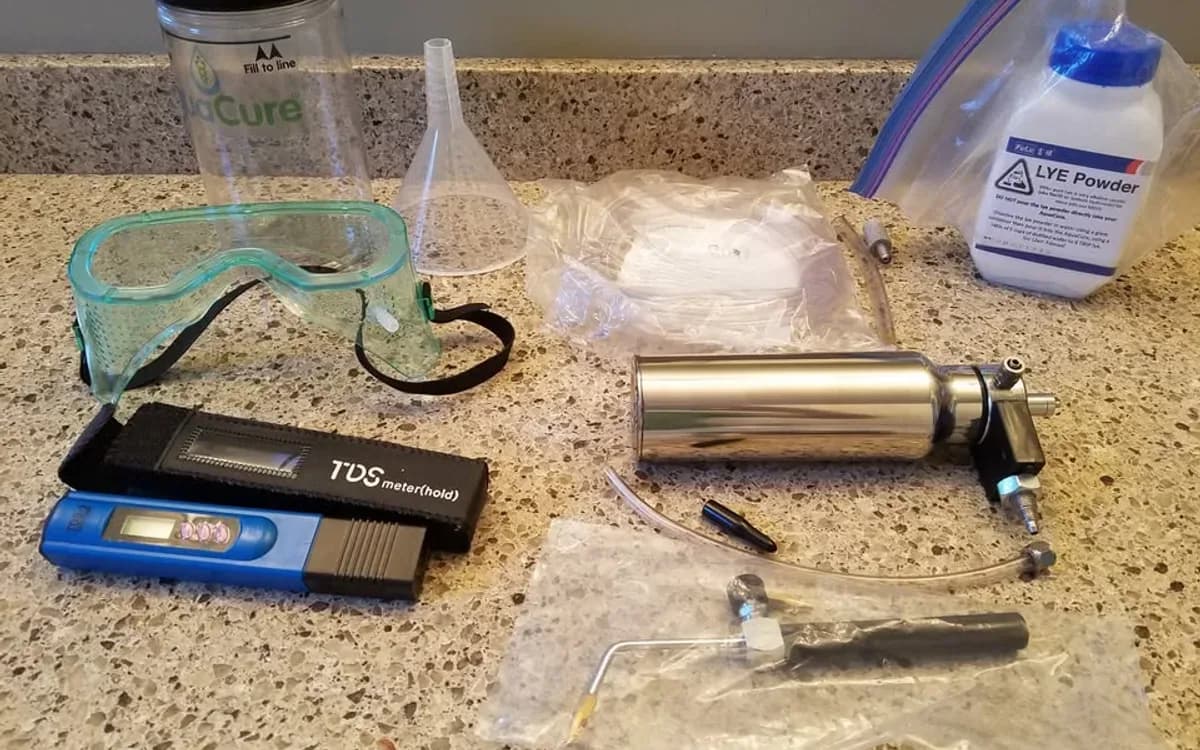
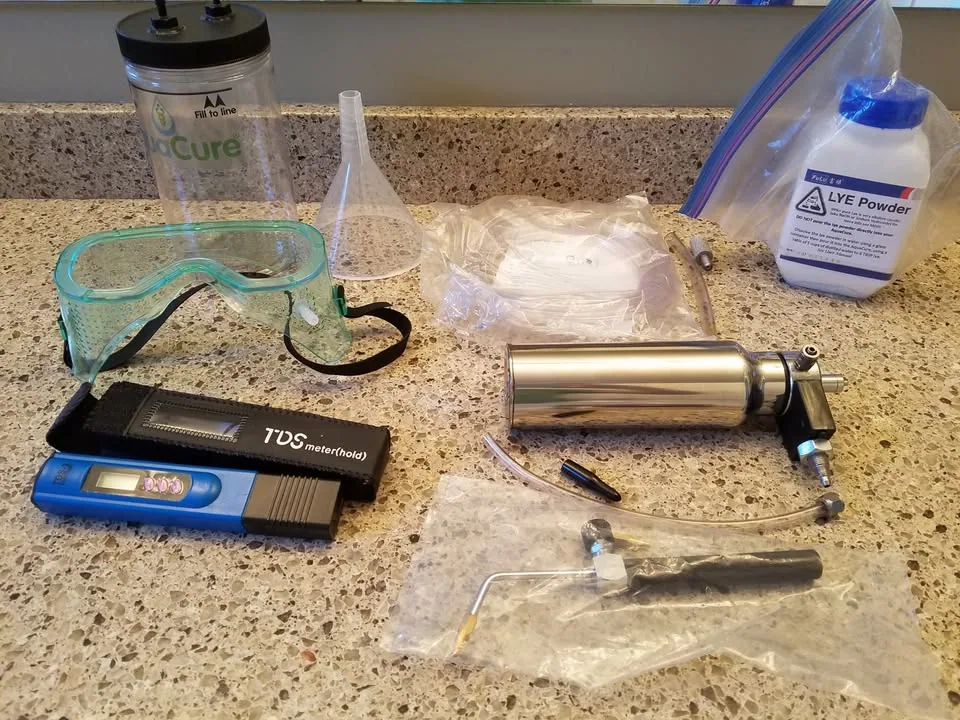 🔍 Click to ExpandAquaCure AC50 oxyhydrogen machine
The AquaCure AC50 from Eagle Research is a well-established oxyhydrogen ("Brown's gas") machine. It generates a 66% hydrogen / 33% oxygen gas mixture at an independently verified ~640 mL/min rate, supporting gas inhalation, water bubbling, and topical spot application.
Its safety systems include liquid-level shutoffs, a 2 PSI electrical pressure cutoff, a mechanical 3 PSI relief valve, and an anti-backfill mechanism. Street pricing ranges between $1,900 to $2,500.
Because Brown's gas systems generate a combustible hydrogen-oxygen mixture and utilize an alkaline electrolyte (lye/potassium hydroxide), they require careful handling and regular maintenance compared to sealed PEM units.
5. Promolife H2 Inhalation & Drinking System: Best Combo Unit
Evaluated based on specifications and support terms.
Promolife's system generates approximately 567 mL/min of hydrogen (up to 850 mL/min total mixed gas). It supports nasal inhalation, hydrogen water production via a diffuser stone, and topical application. It operates on distilled water without chemical additives and retails for $2,400 to $2,700.
6. Qlife H2 Respire: Best Portable Hydrogen Inhaler
Evaluated based on manufacturer testing reports.
The Qlife H2 Respire is a compact unit producing 150 mL/min of hydrogen and 75 mL/min of oxygen at 99.9% purity. Priced between $500 to $600, it offers a portable entry point for travelers wanting to maintain daily inhalation routines away from home.
7. VEVOR Hydrogen Inhalation Machine: The Budget Unit to Approach with Caution
Evaluated based on public listings and teardown documentation.
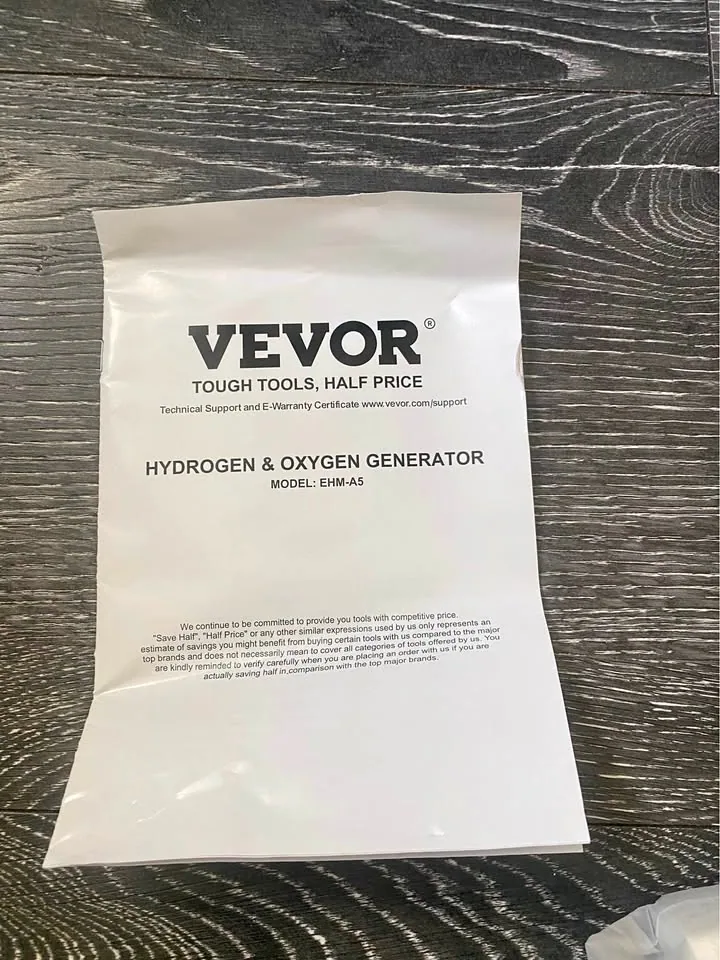 🔍 Click to ExpandVEVOR Hydrogen Inhalation Machine
VEVOR sells budget-tier hydrogen units priced between $300 to $600. While inexpensive, these models often lack verified third-party gas purity documentation and medical-grade PEM membranes. Inadequately controlled electrolysis risks generating trace ozone or chlorine byproducts. For therapeutic inhalation, verified gas purity is non-negotiable.
How to Choose a Hydrogen Inhalation Machine: Buyer's Checklist
- Confirm purity: Require documented 99.9%+ purity via SPE/PEM membranes.
- Check flow rate: Aim for at least 120 to 150 mL/min for home use. Higher flow delivers therapeutic volume faster.
- Pure H₂ vs. Brown's gas: Sealed PEM machines (Lourdes, Echo, Vital Reaction) provide plug-and-play simplicity. Oxyhydrogen machines (AquaCure) require electrolyte handling.
- Review warranty: Look for established brands with multi-year warranties and accessible customer service.
- Consider noise level: Units under 45 dB can run comfortably beside a desk or bed without disruption.
What the Research Shows
Key active areas in molecular hydrogen research include:
- Oxidative stress: Hydrogen selectively neutralizes hydroxyl radicals and peroxynitrite.1
- Athletic recovery: Pilot studies in athletes note lower blood lactate accumulation and reduced muscle fatigue during high-intensity exertion.3
- Inflammatory response: Research shows modulation of pro-inflammatory cytokines across various clinical models.2
- Neurological support: Studies examine neuroprotective pathways in post-ischemic recovery.
Frequently Asked Questions
What is hydrogen inhalation therapy?
You breathe molecular hydrogen gas (H₂), typically through a nasal cannula fed by an electrolysis generator using distilled water. Sessions usually last between 30 and 60 minutes.
Is hydrogen inhalation therapy safe?
At concentrations delivered by quality home machines, hydrogen has a solid safety record in research. It is non-toxic and has been used in deep-sea diving gas mixtures for decades. Safety depends on choosing a quality SPE/PEM machine that avoids chlorine or ozone byproducts. If you are researching safety history or flammability limits, read my detailed breakdown on is hydrogen inhalation safe. Consult your healthcare provider before beginning if you have chronic medical conditions.
Does hydrogen inhalation therapy work?
Early clinical research shows positive outcomes for oxidative stress, recovery, and inflammation markers, though larger trials remain ongoing. It works as a supportive wellness tool alongside sleep, hydration, and nutrition. You can review clinical trials and biological mechanisms in my post: does hydrogen inhalation work.
How much does a hydrogen inhalation machine cost?
Entry-level portable units cost $500 to $600. Countertop units like the Lourdes Hydrofix cost around $2,600, while high-output clinical systems like the Echo Refresh reach $7,499.99. Purity certification, electrode materials, and flow capacity determine pricing. To compare clinic session costs against home ownership, see my guide on hydrogen inhalation therapy cost.
Hydrogen inhalation vs. hydrogen water: which is better?
Inhalation delivers higher total gas volume directly into the lungs and circulation. Hydrogen water delivers antioxidants to the stomach and gastrointestinal tract. Dual-use systems like the Lourdes Hydrofix provide both delivery options in one machine.
How long should a session last?
Standard home sessions run between 30 and 60 minutes once or twice daily.
Are there side effects?
Reported side effects in trials are minimal and mild, such as occasional transient digestive shifts. The primary safety concern is avoiding low-grade uncertified machines that produce impure gas. Read my complete analysis on hydrogen inhalation side effects.
What is the best machine for a beginner?
A sealed PEM unit with verified purity, such as the Lourdes Hydrofix. It requires zero chemical mixing and offers quiet, one-touch operation.
Final Verdict: The Best Hydrogen Inhalation Machine in 2026
- Best overall (and my clinical pick): Lourdes Hydrofix Premium (Japanese build, 99.9%+ purity, hydrogen water pitcher included). Code SYNCTHERAPY for $100 off.
- Best high-output / dual users: Echo Refresh (up to 1,800 mL/min, dual ports). Code SYNCTHERAPY.
- Best clinical-grade: Vital Reaction Clinical Inhaler.
- Best multi-purpose Brown's gas: AquaCure AC50.
- Best portable: Qlife H2 Respire.
Prioritize documented gas purity and build quality over raw marketing claims. A dependable, quiet machine ensures consistent daily use.
Daryl Stubbs is a Certified Athletic Therapist (CAT(C)) with 12+ years and more than 10,000 clinical hours helping athletes and chronic-pain clients in Victoria, BC.
References
Citations below are drawn from PubMed. Molecular hydrogen research is ongoing and much of it is preclinical or early-stage. Nothing here should be read as a treatment claim.
Footnotes
-
Ohsawa I, et al. "Hydrogen acts as a therapeutic antioxidant by selectively reducing cytotoxic oxygen radicals." Nature Medicine, 2007;13(6):688-694. https://doi.org/10.1038/nm1577 ↩ ↩2
-
Ichihara M, et al. "Beneficial biological effects and the underlying mechanisms of molecular hydrogen: comprehensive review of 321 original articles." Medical Gas Research, 2015;5:12. https://doi.org/10.1186/s13618-015-0035-1 ↩ ↩2
-
Aoki K, et al. "Pilot study: Effects of drinking hydrogen-rich water on muscle fatigue caused by acute exercise in elite athletes." Medical Gas Research, 2012;2:12. https://doi.org/10.1186/2045-9912-2-12 ↩