Quick Verdict: Safety
Molecular hydrogen inhalation is safe and well tolerated. Decades of research, including deep-sea diving gas trials, show that H2 has no cellular toxicity in the body. Excess hydrogen is exhaled naturally. To keep therapy safe, use certified PEM-membrane devices that prevent byproduct contamination.
In physical therapy and clinical practice, safety comes first. Before using any modality with patients, I review the peer-reviewed toxicological and clinical data.
Molecular hydrogen (H2) gas has a well-documented safety profile across decades of research.
Physiology of Hydrogen Safety
Molecular hydrogen is already part of human physiology:
- Gut production: Bacteria in your colon naturally ferment dietary fibers and produce molecular hydrogen daily.
- Biological neutrality: Hydrogen does not interfere with normal cellular signaling, immune defenses, or enzyme pathways.
- Quick clearance: Because H2 is small and light, it diffuses quickly across tissues. Any excess gas not consumed in neutralizing free radicals enters venous circulation and is exhaled through the lungs.
Clinical Research and Deep-Sea Diving Data
The safety of breathing hydrogen gas was first established at scale in deep-sea commercial diving.
Starting in the 1940s, deep-sea divers used Hydreliox (a gas mixture of 49% hydrogen, 50% helium, and 1% oxygen) to prevent decompression sickness at depths up to 500 meters. Divers breathed this high-concentration hydrogen mix for days under extreme pressures without toxic effects or physiological harm.
Modern clinical trials confirm this safety record. In human studies where participants inhaled 1% to 4% hydrogen gas for hours at a time, researchers recorded zero severe adverse events or toxic accumulations (PMID: 24769081).
Flammability and Equipment Safety
While hydrogen is biologically safe, it is flammable in air under certain conditions:
- Flammability range: Hydrogen gas is flammable in air at concentrations between 4.6% and 75%.
- Dilution: Quality clinical machines deliver pure hydrogen gas at controlled flow rates (such as 120 mL/min) that mix with room air through the cannula, keeping the inhaled mix well below flammability limits.
- Ignition precautions: Never use a hydrogen generator near open flames, lit candles, cigarettes, or spark sources.
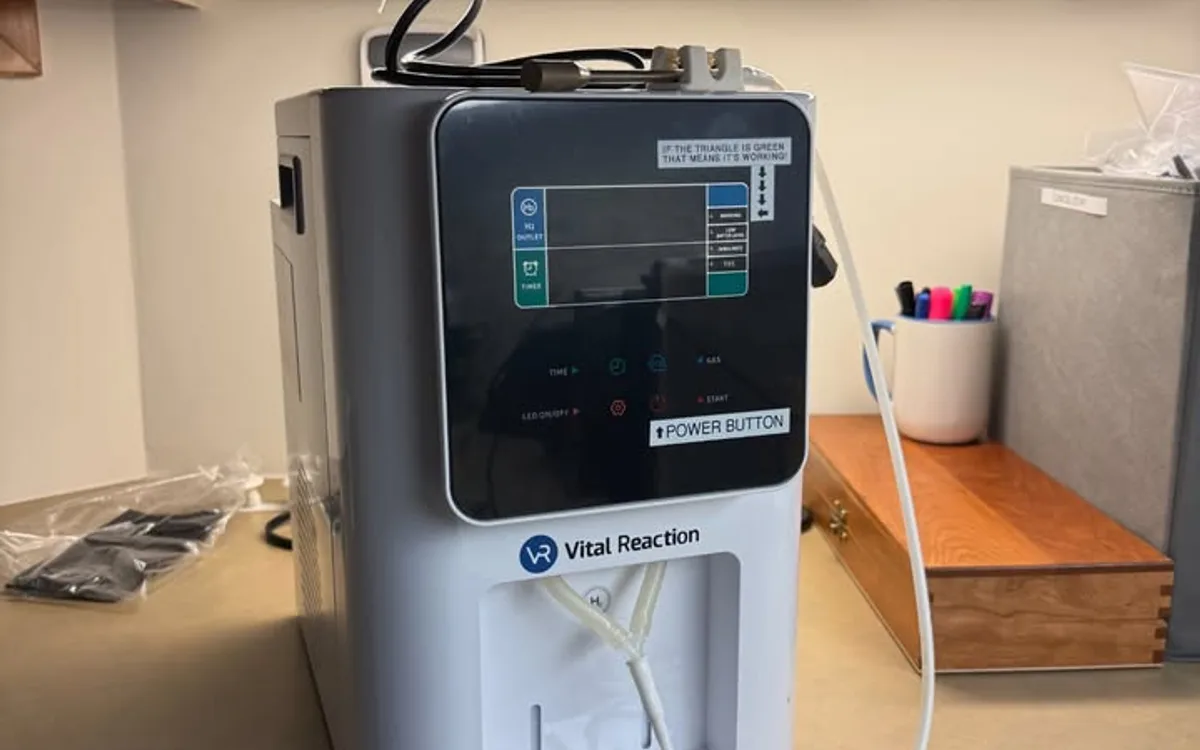
- Membrane quality: The main risk comes from cheap generators without proper gas separation. Direct electrolysis can contaminate output gas with ozone or chlorine. Use a machine with a DuPont Nafion PEM membrane to isolate hydrogen cleanly.
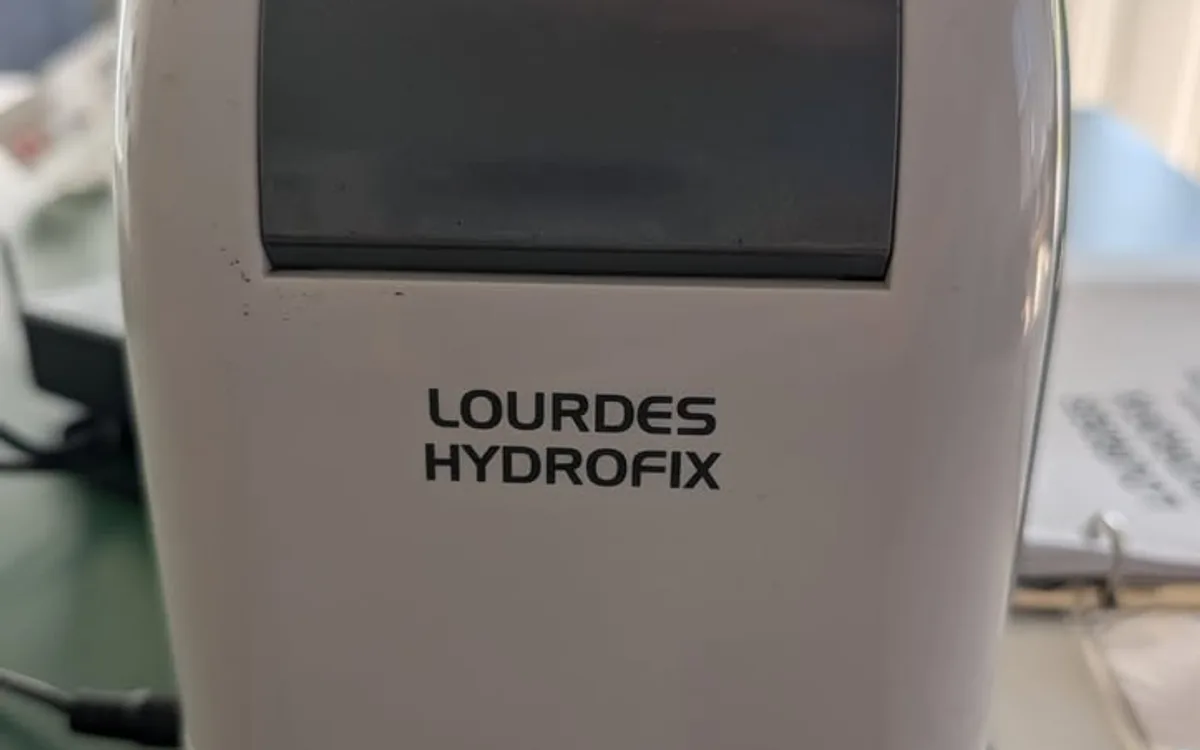
For home therapy, the Lourdes Hydrofix Premium Edition is tested by the Japan Food Research Laboratories and safely vents ozone and chlorine byproducts out of the machine base.
Related Resources
- Complete breakdown in my hydrogen inhalation therapy guide.
- Machine specs and testing in my Lourdes Hydrofix Review.