Quick Verdict: Side Effects
There are no known toxic side effects from molecular hydrogen inhalation. Clinical trials show that therapy is well tolerated. Some users report mild, temporary sensations like relaxation, lightheadedness, or increased alertness, but these are brief and resolve once the session ends.
In physical therapy and clinical research, almost every intervention carries some risk of adverse effects. Molecular hydrogen (H2) is unusual because it acts as a selective antioxidant and is produced naturally in the human gut, giving it a clean safety profile.
Below is what clinical research and user experience reveal about side effects and equipment safety.
What the Clinical Trials Show
Over the past two decades, hundreds of clinical trials and animal studies have evaluated molecular hydrogen. Across published literature, there are no documented toxic adverse effects from inhaling therapeutic concentrations of H2 gas (PMID: 17486089).
Because molecular hydrogen targets only damaging free radicals (such as the hydroxyl radical) and converts them into water (H2O), it creates no toxic byproducts. Any hydrogen not consumed in neutralizing oxidative stress travels through the bloodstream back to the lungs and is exhaled naturally.
Sensations You Might Notice During a Session
While hydrogen therapy does not cause adverse reactions, some people notice minor physical sensations during their first few sessions:
- Mild relaxation or drowsiness: Sitting quietly for 30 to 60 minutes with a nasal cannula encourages slower diaphragmatic breathing. This stimulates the parasympathetic nervous system, lowering heart rate and promoting relaxation.
- Brief lightheadedness: Breathing more deeply than usual can slightly shift blood carbon dioxide levels, causing transient lightheadedness.
- Increased mental clarity: Molecular hydrogen crosses the blood-brain barrier quickly, reducing localized neuroinflammation and supporting mitochondrial energy production. Many people describe this as brain fog lifting.
If you feel lightheaded, take off the cannula, breathe normally for a couple of minutes, and lower the gas flow rate on your generator.
Equipment Hazards from Low-Quality Devices
The real risk during hydrogen inhalation comes from poorly engineered equipment rather than the gas itself.
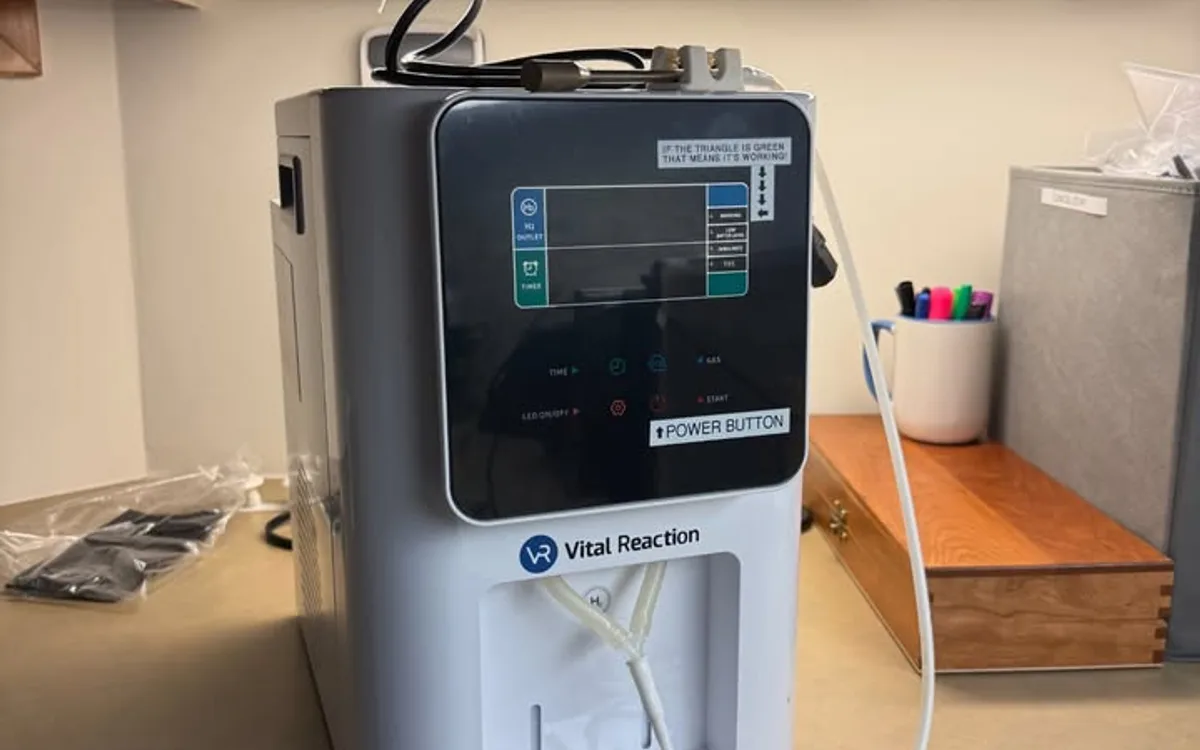
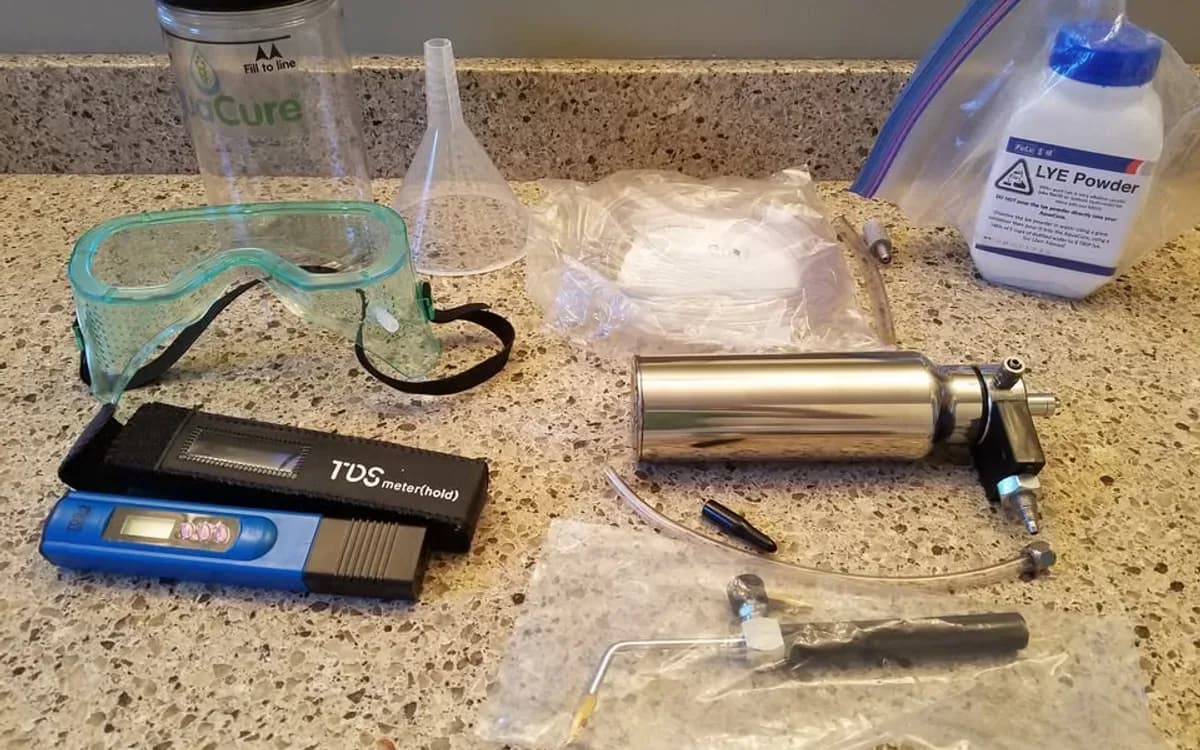
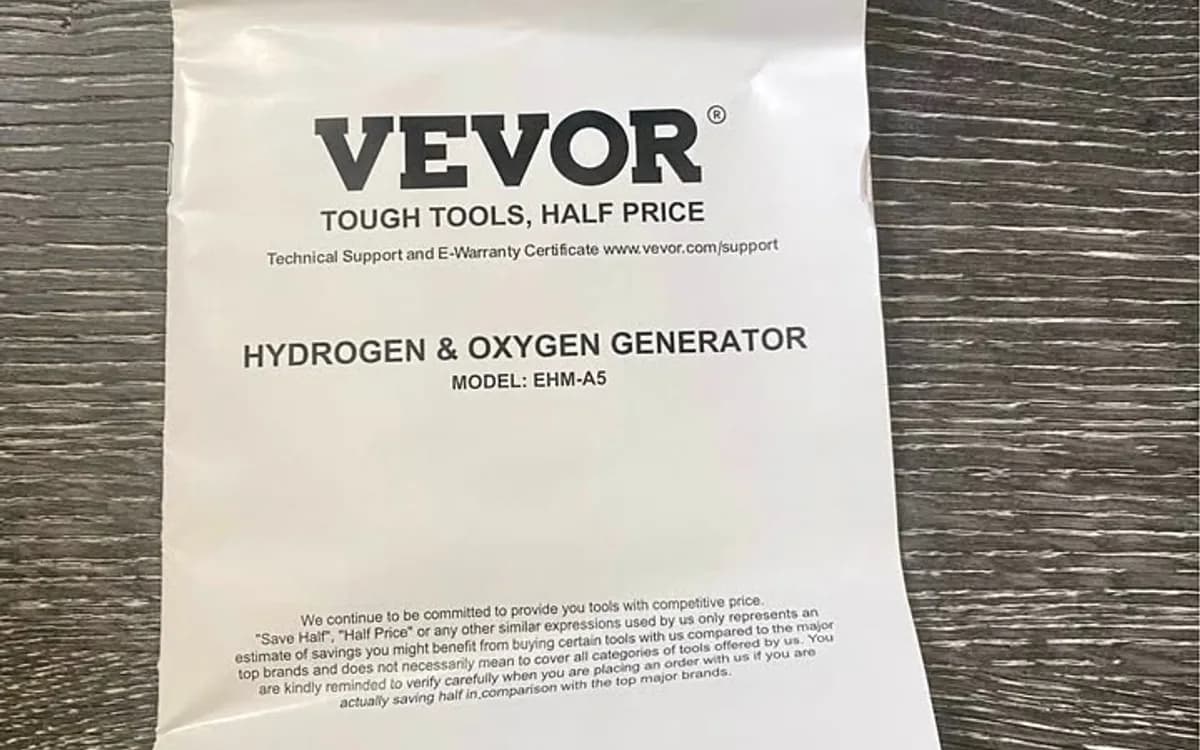
Cheap, uncertified generators can leach heavy metals from low-grade electrodes or release dangerous gases into the breathing line:
- Chlorine gas (Cl2): Inhaling even trace amounts of chlorine irritates the bronchial tubes and mucous membranes.
- Ozone (O3): Breathing ozone causes coughing, throat irritation, chest tightness, and airway inflammation.
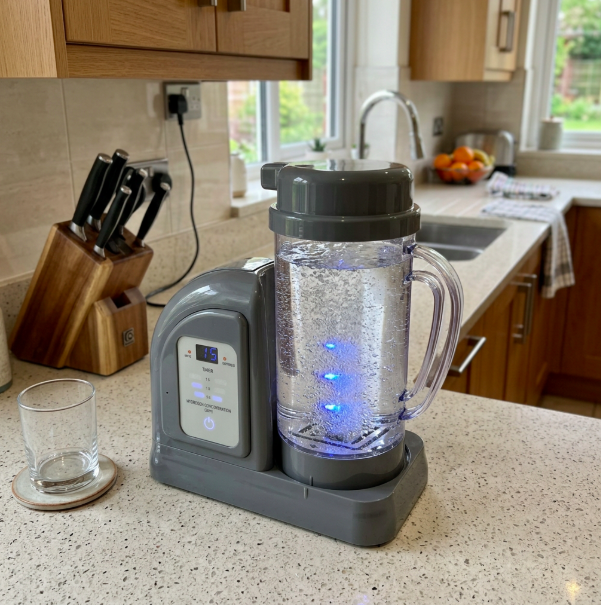
To prevent this, use a generator equipped with SPE/PEM separate-chamber electrolysis and a high-grade DuPont Nafion membrane. This membrane separates hydrogen from oxygen and vents chlorine and ozone safely out of the unit, delivering 99.999% pure hydrogen gas through the cannula.
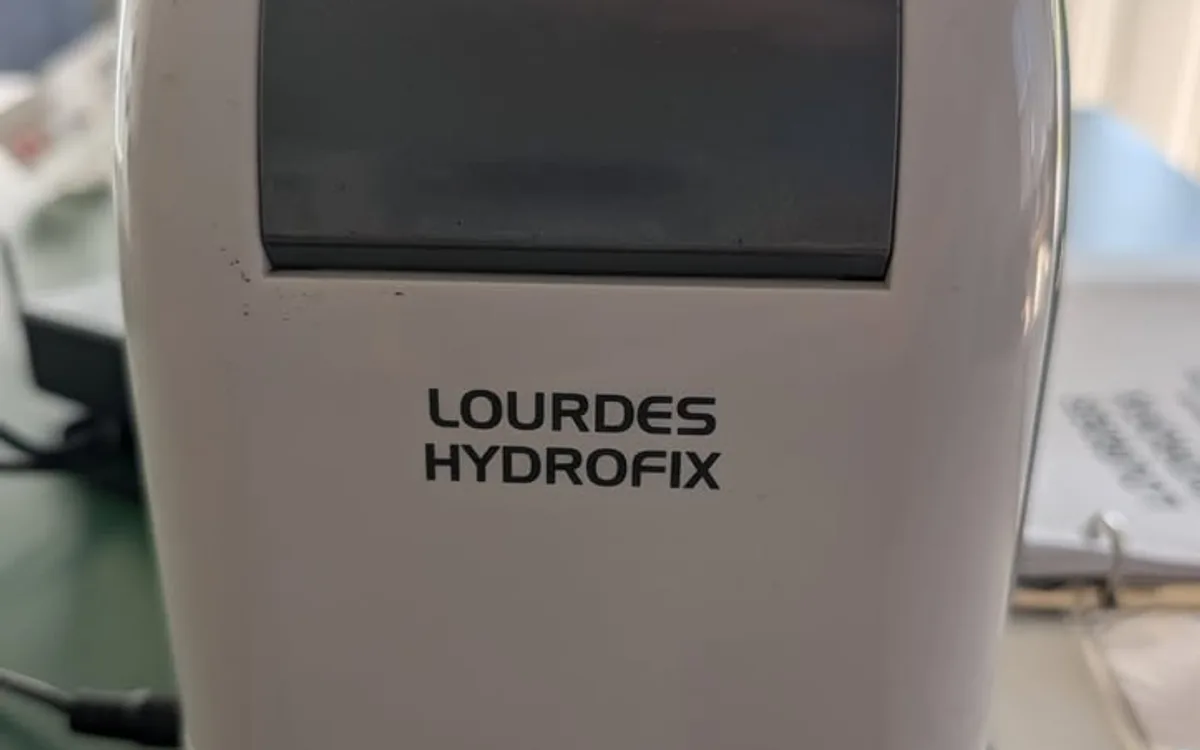
In my clinic, I use the Lourdes Hydrofix Premium Edition. It is built in Japan and independently certified for pure, contaminant-free H2 delivery.
Related Resources
- Mechanism details in my hydrogen inhalation therapy guide.
- Machine comparisons in my best hydrogen water machines guide.
- Hands-on testing in my Lourdes Hydrofix Review.