Patients constantly ask me to compare Kala and Hooga red light therapy panels for their home recovery setups. As a Certified Athletic Therapist and clinical researcher, I evaluate these devices based on hands-on performance rather than marketing claims. Over the past six months, I have tested both brands extensively in my private clinic and personal routine.
Both panels use 660nm (red) and 850nm (near-infrared) wavelengths, the standard frequencies for tissue recovery and cellular health. However, their power delivery, build materials, and clinical features differ significantly.
Direct Verdict: Hooga provides an entry point for budget-conscious users wanting basic light therapy with research-backed wavelengths.
For structured therapeutic protocols, Kala is the stronger investment. Its FDA Class II status, clinical-grade 5W LEDs, and pulsed frequency modes make it my top recommendation for daily use in active recovery and pain management.
Kala Overview
Kala Therapy Inc. engineers sturdy panels with high power output. Their flagship Kala Pro Panel uses 5W clinical-grade LEDs configured to deliver photons inside the optical window where photobiomodulation achieves deep tissue penetration.
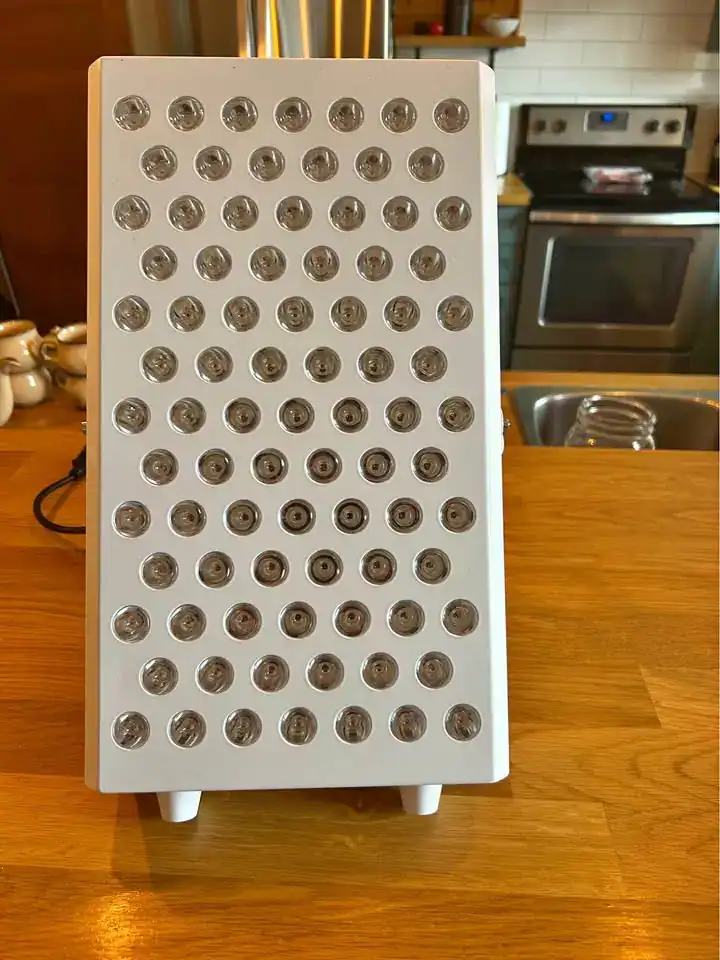
What separates Kala from budget competitors is its digital interface and Pulse Recovery+ modes. You can set the panel to specific pulsed frequencies for targeted recovery goals. The 292 Hz setting assists with chronic pain management and sleep support, while the 586 Hz setting helps patients managing seasonal light deficits or sleep cycle disruptions.
Hooga panels do not offer these pulsing options. Kala holds FDA Class II Medical Device registration (Registration: 3016171836) and ETL/UL certification. In testing, I measured zero EMF emissions from 6 inches away. The LEDs are rated for 50,000 hours of operation.
Hooga Overview
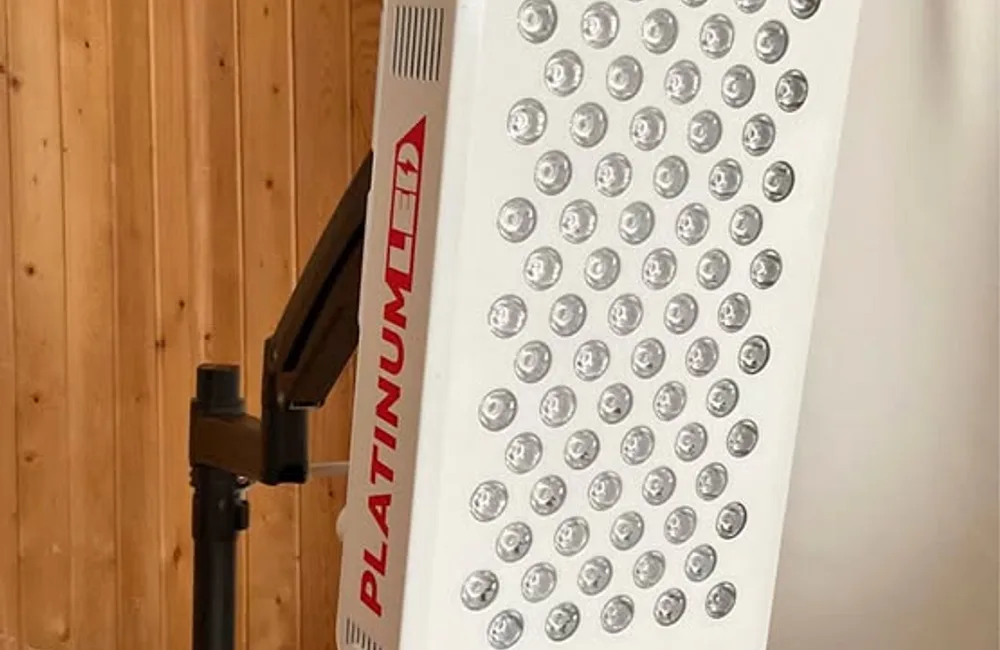
Hooga leads the budget red light therapy segment. Their panels start around $69, making them accessible for beginners. Like Kala, Hooga panels deliver 660nm and 850nm wavelengths.
A 2016 review by Ferraresi et al. (PMCID: PMC5167494) confirmed that pre-exercise red and near-infrared light helps reduce Delayed Onset Muscle Soreness (DOMS). Hooga delivers these core wavelengths effectively.
However, Hooga panels omit advanced controls. There is no digital display, no pulsed frequency mode, and no built-in timer. The LED wattage is lower than Kala's 5W diodes, which reduces irradiance and requires longer session times.
The housing uses basic plastic and standard rocker switches. For a full breakdown of their products, read my Hooga red light therapy review.
Head-to-Head Comparison
| Feature | Kala Pro Panel | Hooga (mid-range) |
|---|---|---|
| Wavelengths | 660nm + 850nm | 660nm + 850nm |
| LED wattage | 5W clinical-grade | Lower wattage (varies) |
| Digital controls | Yes: digital dash smart screen | No: basic on/off switch |
| Pulsed frequency modes | Yes: 292 Hz, 586 Hz, custom | No |
| FDA registration | FDA Class II (#3016171836) | Not Class II registered |
| EMF rating | Zero from 6 inches | Not specified |
| Price range (USD) | ~$299-$599 | ~$69-$499 |
| Origin | Canadian-designed | USA/overseas |
| Money-back guarantee | 30 days | 30 days (varies by retailer) |
| LED lifespan | 50,000+ hours | ~25,000-50,000 hours |
Key Differences That Matter
In clinical practice, practical hardware differences directly affect treatment consistency and patient outcomes.
Pulse Recovery+ vs Basic Continuous Output
Kala's Pulse Recovery+ setting provides a practical clinical tool. Selecting between 292 Hz and 586 Hz allows for targeted treatments. Research indicates that specific pulse rates influence cellular responses differently than continuous light alone.
The 292 Hz frequency helps calm pain pathways and supports sleep onset. The 586 Hz setting assists with circadian rhythm regulation and mood support.
Patients with persistent joint discomfort often respond faster to pulsed light. Hooga panels offer only continuous light output. Continuous light is fine for skin rejuvenation, but it lacks the versatility needed for targeted pain management.
Build Quality and Irradiance
LED output determines session efficiency. Kala uses 5W LEDs that undergo 50-hour factory burn-in testing to ensure stable irradiance across the panel surface.
Higher irradiance means patients receive their therapeutic dose in shorter sessions, which improves compliance. Hooga uses lower-wattage diodes that require longer treatment sessions to deliver equivalent energy.
For more on how light power works, read my guide on irradiance in red light therapy.
Price and Longevity
Hooga wins on initial purchase cost. Spending under $100 for an entry-level light is a low barrier to entry. Kala panels require a higher initial spend.
However, long-term value comes down to durability and daily performance. Kala's metal casing, 50,000-hour LED rating, and FDA Class II registration make it built for years of regular use.
"I own both Kala and other red light panels. The core wavelengths are similar across brands: 660nm and 850nm are the research-backed range. But in my athletic therapy practice, the difference between a panel with digital dose control and pulsed frequency modes versus a basic on/off device is noticeable. My patients with chronic inflammation and sleep issues do better with Kala's 292 Hz Pulse Recovery+ mode than with continuous output alone. Hooga works fine for casual use, while Kala is the stronger clinical tool for daily therapy."
Daryl Stubbs, CAT(C), Holistic Nutritionist
Choose Kala if:
- You use light therapy daily for athletic recovery or chronic joint pain.
- You want pulsed frequency options (292 Hz, 586 Hz) for sleep or mood protocols.
- You value FDA Class II medical registration and Health Canada clearance.
- You prefer metal housing and long-term hardware durability.
Choose Hooga if:
- Upfront budget is your main constraint and you want to try light therapy at low cost.
- You only need basic wavelength exposure for casual skincare without pulse modes.
- You want an entry-level panel before deciding on a larger setup.
Clinical Recommendation
If low price is your primary objective, Hooga provides the core 660nm and 850nm wavelengths in an affordable package. It functions well for casual experimentation.
If you are rehabilitating joint pain, working through athletic recovery, or seeking better sleep architecture, Kala is the better choice. Its 5W LEDs and Pulse Recovery+ modes deliver measurable clinical benefits.
I keep the Kala Pro Panel in my clinic for reliable, programmable treatments. You can see our testing across the Kala range for additional details.
"After 12 years and over 10,000 treatment hours, I am selective about the recovery tools I recommend. Hooga is a reasonable entry-level device: the wavelengths are right and the price is affordable. But for patients on a structured recovery plan, Kala is what I recommend. The clinical build, frequency modes, and FDA Class II registration provide verified performance."
Daryl Stubbs, CAT(C), Holistic Nutritionist
Frequently Asked Questions
Is Kala better than Hooga?
For clinical performance, yes. Kala uses 5W LEDs, a digital screen, Pulse Recovery+ modes, and carries FDA Class II registration. Hooga uses lower-wattage LEDs with standard switches. Hooga is 50% to 70% cheaper, but Kala delivers higher irradiance and pulse customizability for structured recovery protocols.
Is Hooga red light therapy effective?
Hooga is a dependable entry-level option for anyone starting light therapy on a budget. It delivers the core 660nm and 850nm wavelengths supported by scientific research. While irradiance is lower than clinical units, it works well for general skincare and basic recovery.
Kala vs Hooga: which is worth the price?
If budget is your primary concern, Hooga works. If you want FDA Class II medical registration, pulsed frequency modes, a digital control panel, and sturdy 5W LEDs, Kala justifies the higher cost, especially for chronic pain, athletic recovery, or daily treatment sessions.
Related Clinical Resources
- Recommended Guide: Read my full, hands-on review of the best red light therapy panels for deeper clinical insights.
- Related Review: Check out my comparative analysis on Kala vs Mito.