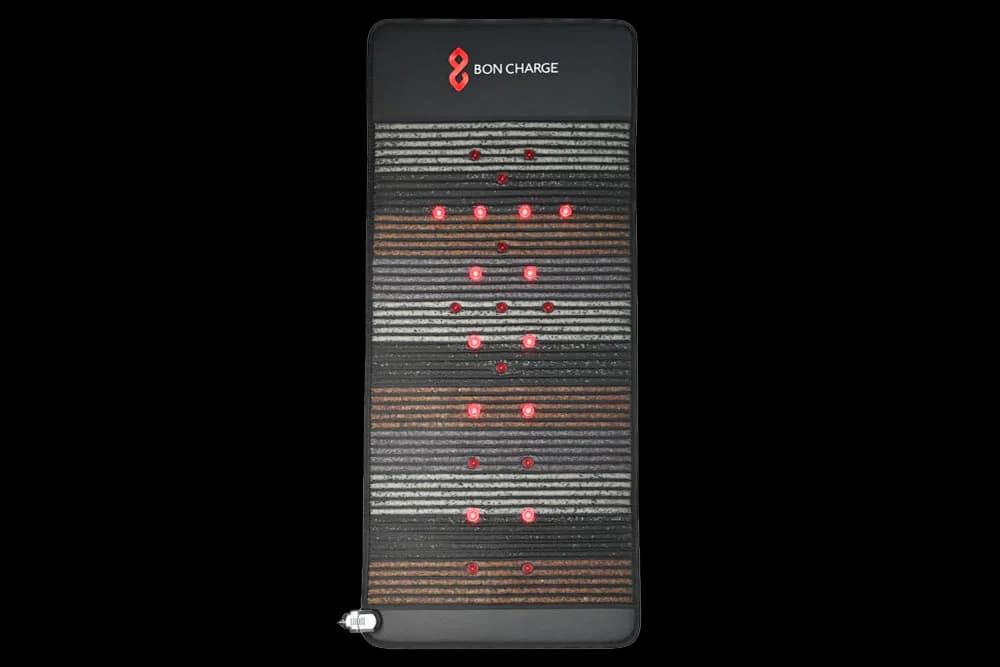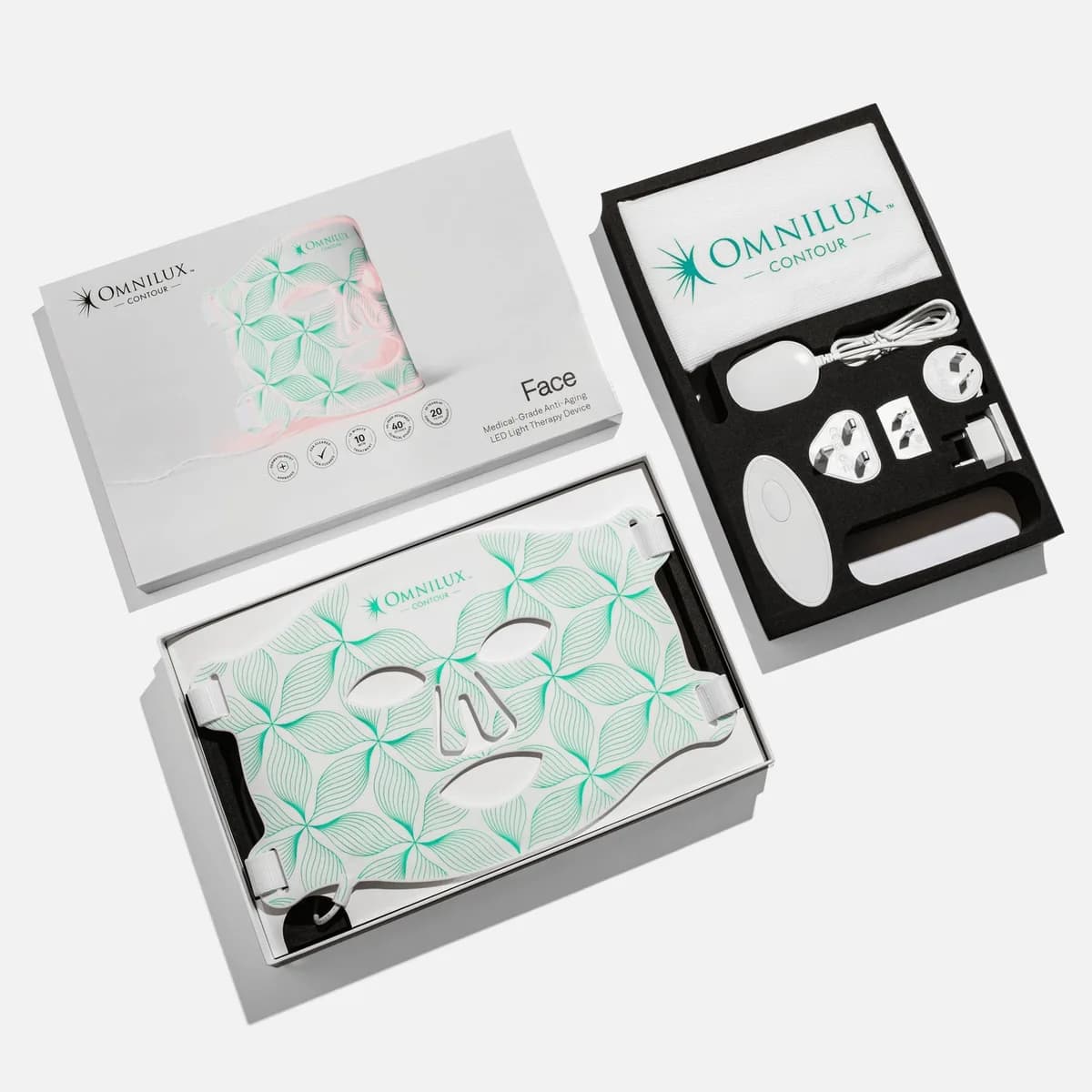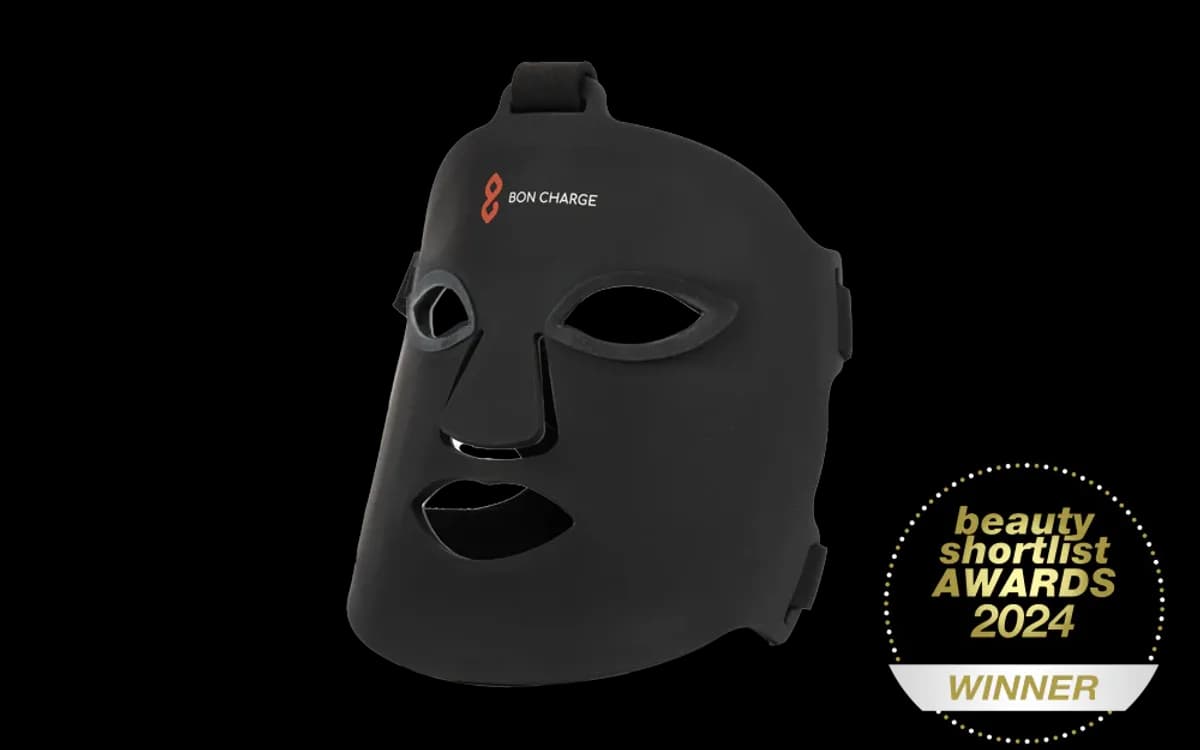
In clinical rehabilitation, recovery is not just about muscle tissue; it is about restoring cellular health across the entire body. Capillary blood flow and mitochondrial efficiency are the primary drivers of tissue healing.
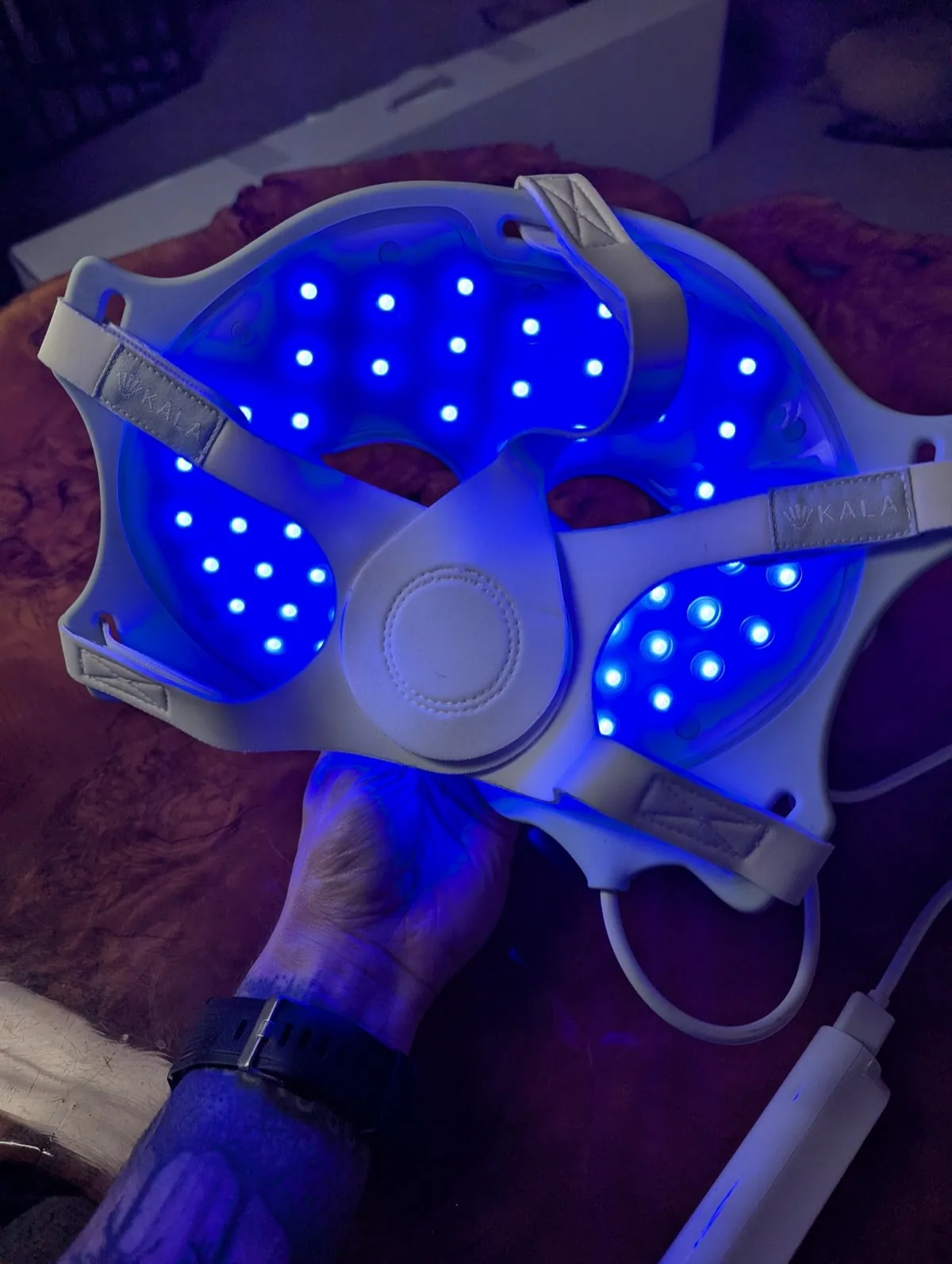
A frequent topic in modern photobiomodulation is the use of a red light therapy mask for skin rejuvenation. Here is a clinical breakdown of the peer-reviewed research behind LED masks, how they modulate microcirculation, and what results you can realistically expect based on published trials.
The Clinical Mechanisms of Rejuvenation
Unlike cosmetic procedures that cause micro-trauma to trigger repair (such as chemical peels or microneedling), red light therapy is a non-thermal, cellular bio-stimulant.
It operates via two primary mechanisms:
1. Amplified Microcirculation
Your skin cells rely on a dense capillary network to receive oxygen and nutrients. Red light (633 to 660nm) stimulates the release of nitric oxide (NO) from cellular proteins. Nitric oxide is a natural vasodilator, meaning it relaxes blood vessels and increases localized microcirculation. This flush of nutrient-rich blood supports tissue repair, clears metabolic waste, and improves skin tone.
2. Mitochondrial Optimization
Light photons are absorbed by cytochrome c oxidase within the mitochondria of dermal cells. This interaction triggers an increase in Adenosine Triphosphate (ATP) production. When skin cells have sufficient energy, they carry out tissue repair and structural protein synthesis more efficiently.
What the Research Shows for Skin Texture
Clinical studies show that consistent use of LED face masks leads to measurable improvements in skin health:
- A study in the Journal of Cosmetic and Laser Therapy found significant reductions in skin roughness and marked improvements in tactile smoothness.
- By downregulating inflammatory cytokines, red light therapy helps calm rosacea flare-ups and baseline facial redness.
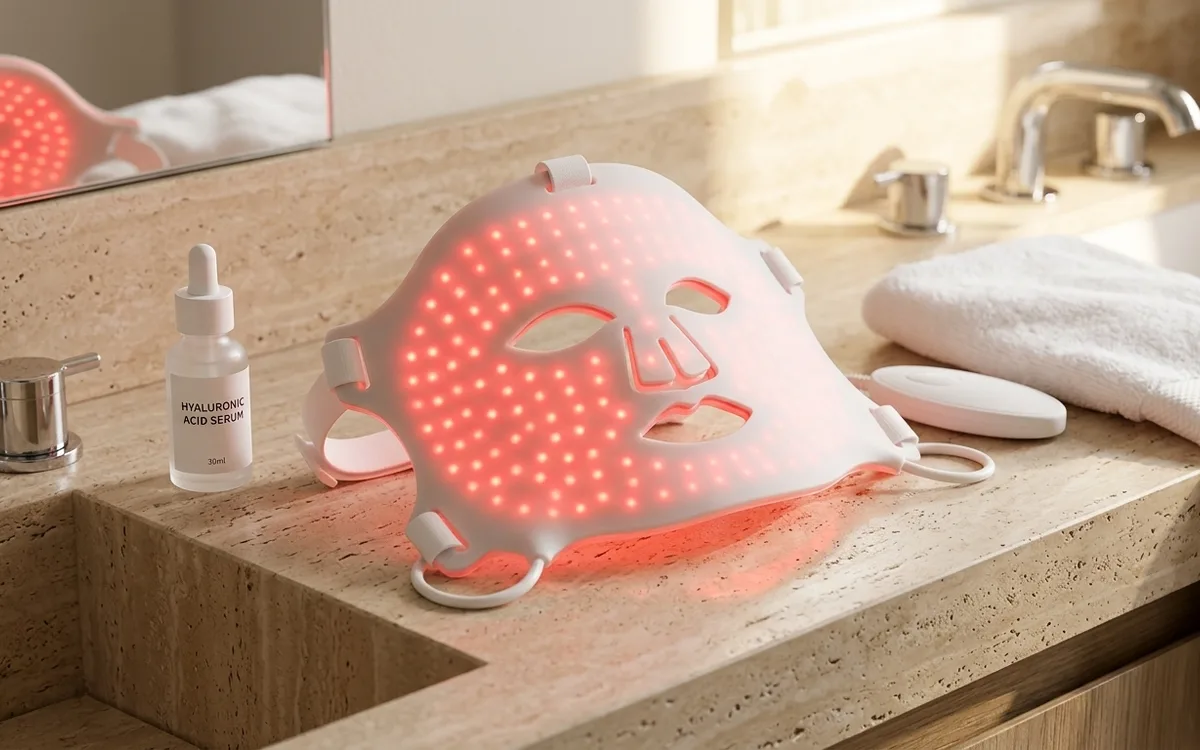
- Flexible silicone masks sit directly against the skin, minimizing light reflection and delivering a uniform dose across capillary beds.
Stacking Skincare for Consistent Results
Because red light therapy increases blood flow and opens capillary pathways, it creates a prime window for topical absorption:
Before your session, start with a clean, bare face. Sunscreens, makeup, and heavy oils block light wavelengths from penetrating the dermal layer.
After your session, apply quality hydrating serums (such as hyaluronic acid or vitamin C). Elevated microcirculation helps draw these ingredients into the upper dermis.
To calculate target dosing and session times based on your mask's power metrics, use my interactive Red Light Dose Calculator.
If you are looking for an FDA-cleared flexible mask, see my curated guide to the Best Red Light Therapy Mask.
Disclaimer: I am a Certified Athletic Therapist and Holistic Nutritionist. This article is for educational purposes. Talk to your dermatologist before starting any new light therapy or skincare protocols.
References and Research
- Seminars in Cutaneous Medicine and Surgery: "Low-level laser (light) therapy (LLLT) in skin: stimulating, healing, restoring." PMID: 24078483
- Journal of Cosmetic and Laser Therapy: "Evaluation of the safety and efficacy of a novel LED device for skin rejuvenation."