As a Certified Athletic Therapist and holistic nutritionist, recovery protocols often focus on connective tissue and joint health. The exact same cellular mechanisms that repair connective tissue also govern skin health and aging. Capillary blood flow, cellular energy, and protein synthesis are universal across human tissues.
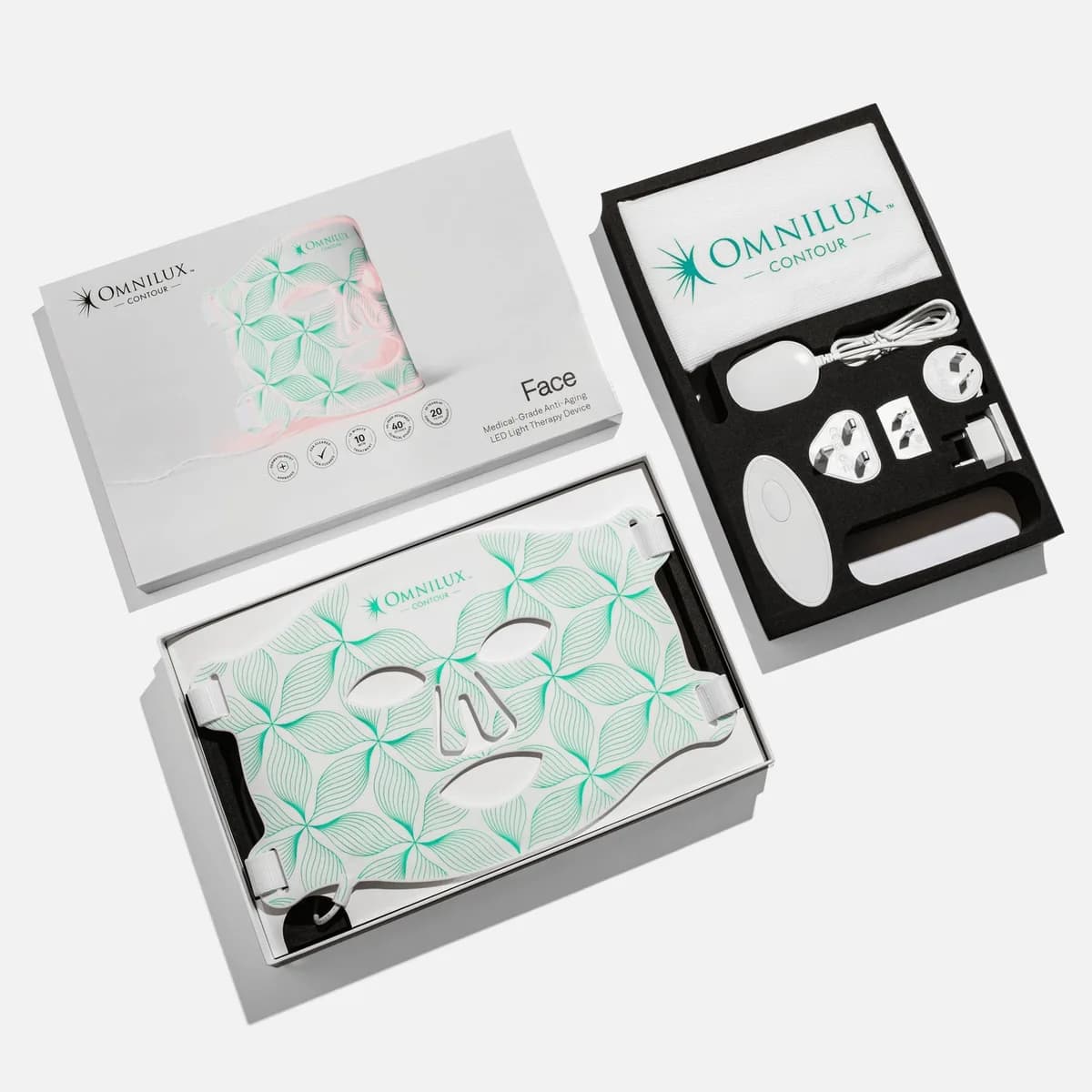
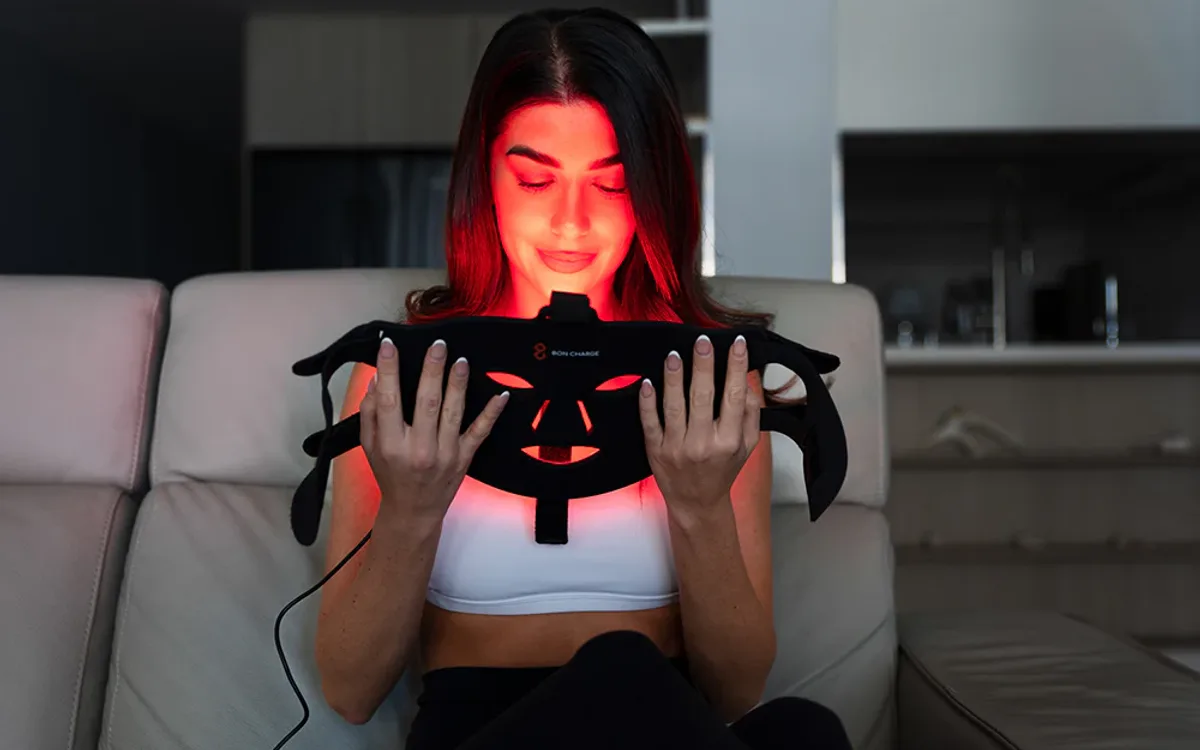
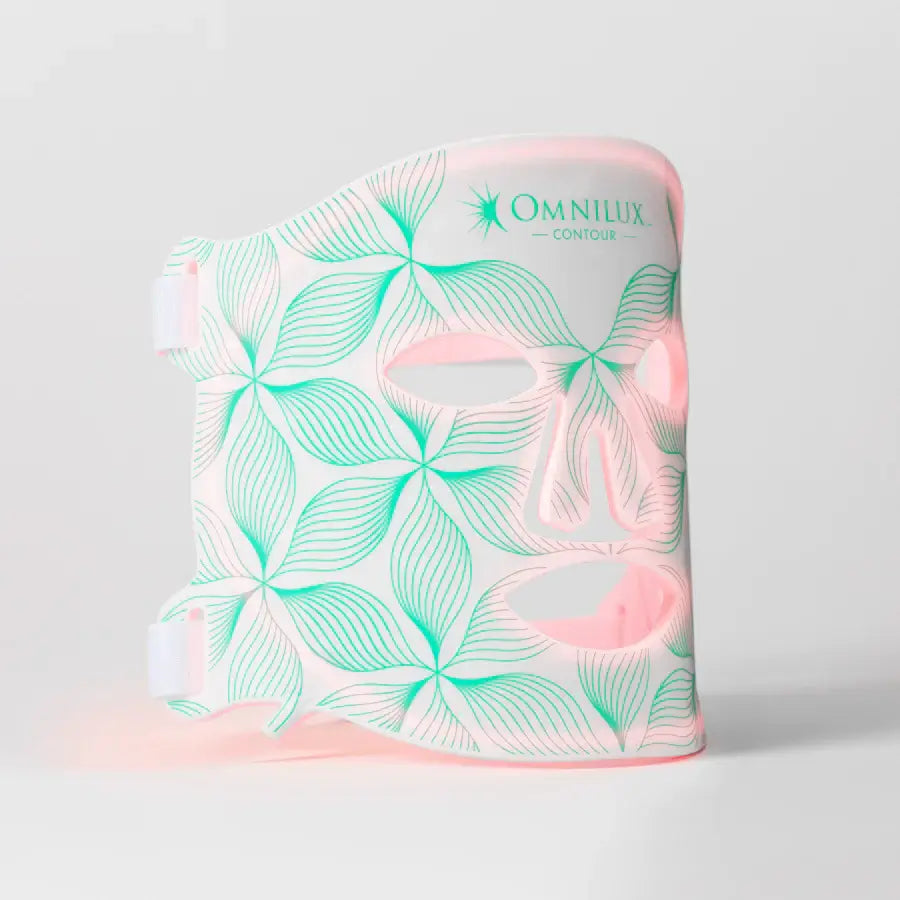
One of the most common questions clients ask when looking to improve skin texture is whether a red light therapy mask really reduces wrinkles.
The clinical answer is a clear yes. When using the correct wavelengths and dosing protocols, photobiomodulation is one of the most effective, non-invasive therapies to reduce fine lines, rebuild collagen, and restore skin elasticity.
The Biological Science: Fibroblasts and Collagen
To understand how a red light mask smooths wrinkles, we must examine the dermal layers of your skin.
Wrinkles and sagging skin develop from the gradual loss of collagen and elastin, the structural proteins that keep skin firm and resilient. Starting in our mid-twenties, the body produces roughly 1% less collagen each year.
Photobiomodulation works by delivering targeted wavelengths of light directly to these dermal layers:
- Visible Red Light (630 to 660 nm): Targets superficial dermal layers, supporting capillary circulation and cell renewal.
- Near-Infrared Light (810 to 850 nm): Penetrates deeper, reaching fibroblasts, the specialized cells that manufacture structural proteins.
When light photons reach the mitochondria of fibroblasts, they interact with the enzyme cytochrome c oxidase. This stimulates Adenosine Triphosphate (ATP) output, giving cells the biological energy needed to synthesize new collagen and elastin fibers from within.
What the Clinical Studies Show
The clinical efficacy of LED face masks for wrinkles is supported by human trials:
- Intradermal Collagen Density: A controlled study published in Photomedicine and Laser Surgery evaluated subjects using red and near-infrared light therapy. Ultrasound imaging confirmed a statistically significant increase in intradermal collagen density compared to the control group.
- Reduction in Wrinkle Depth: In a randomized controlled trial, users of flexible LED masks showed a 38% reduction in the depth and severity of wrinkles around the eyes and forehead after 12 weeks of regular use.
- Improved Skin Elasticity: Cutometer measurements show notable gains in elasticity, translating to firmer facial contours.
Dosing Protocols: Avoid the Biphasic Dose Response
In photobiomodulation, more is not always better. The biological response to light follows a biphasic dose-response curve (the Arndt-Schulz law).
If the dose is too low, you get no therapeutic effect. If the dose is excessively high, you oversaturate the cells, which halts ATP production and blunts the benefits.
- Session Frequency: Limit treatments to 10 to 20 minutes, 3 to 5 times per week.
- Distance and Placement: Wear the mask according to the manufacturer's directions for consistent skin contact.
- Dose Calculation: To find your target treatment time based on your device's irradiance, use my Red Light Dose Calculator.
To compare top FDA-cleared options on the market, read my complete buying guide for the Best Red Light Therapy Mask.
Disclaimer: I am a Certified Athletic Therapist and Holistic Nutritionist, not a dermatologist. The information in this article is for educational purposes. Consult with your dermatologist before beginning new light therapy protocols.
References and Research
- Collagen Density Trial: Photomedicine and Laser Surgery: "A controlled trial to determine the efficacy of red and near-infrared light treatment in patient satisfaction, reduction of fine lines, wrinkles, skin roughness, and intradermal collagen density increase." PMID: 24286286
- LED Mask Efficacy: Journal of Clinical and Aesthetic Dermatology: "Efficacy and Safety of a Flexible Light-Emitting Diode Mask for Skin Rejuvenation." PMID: 32802286