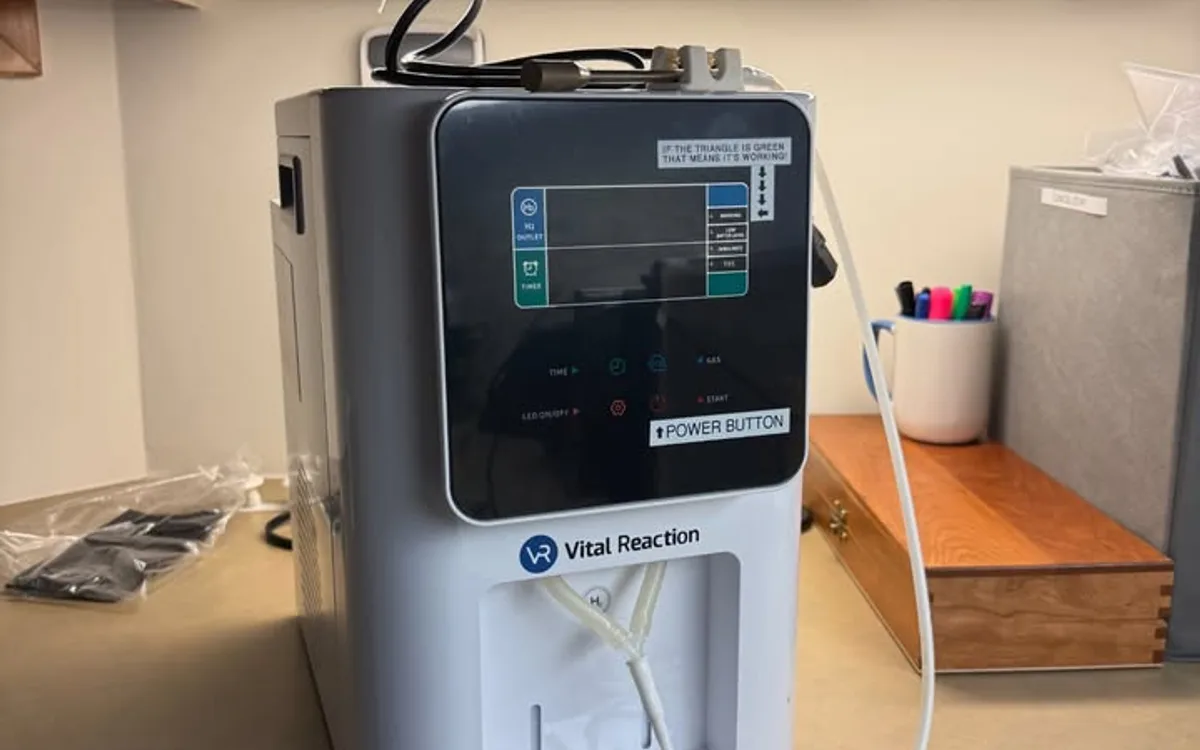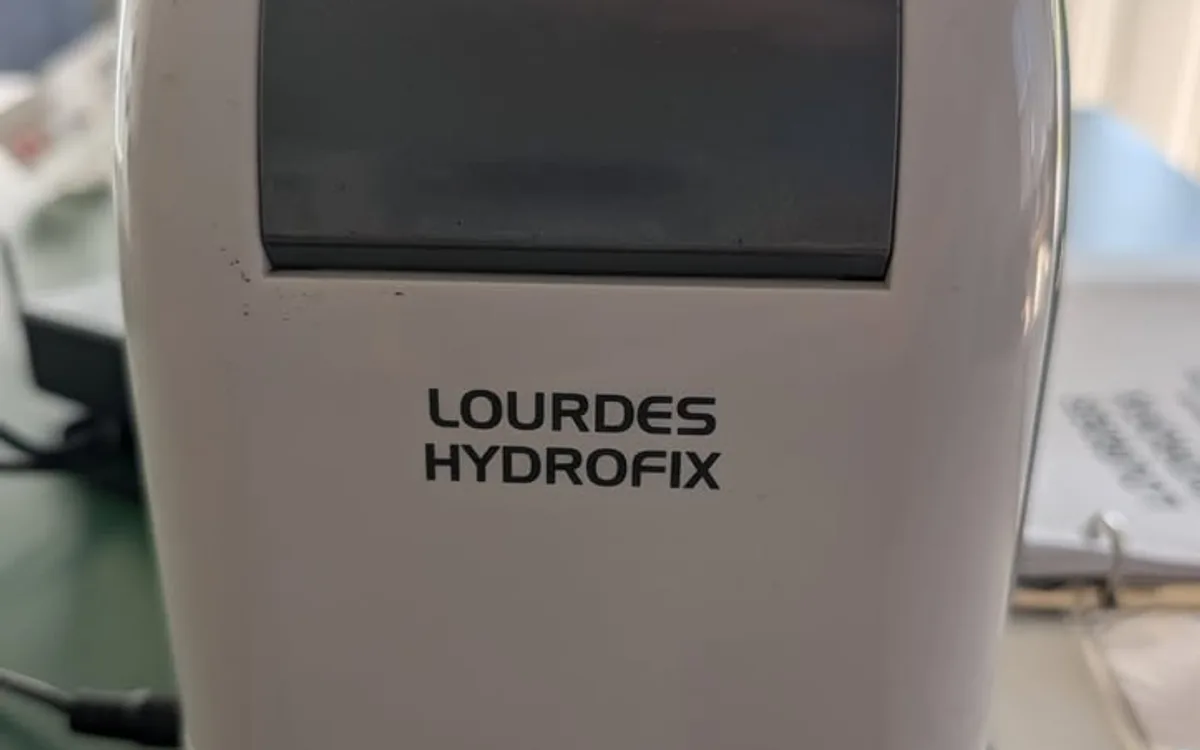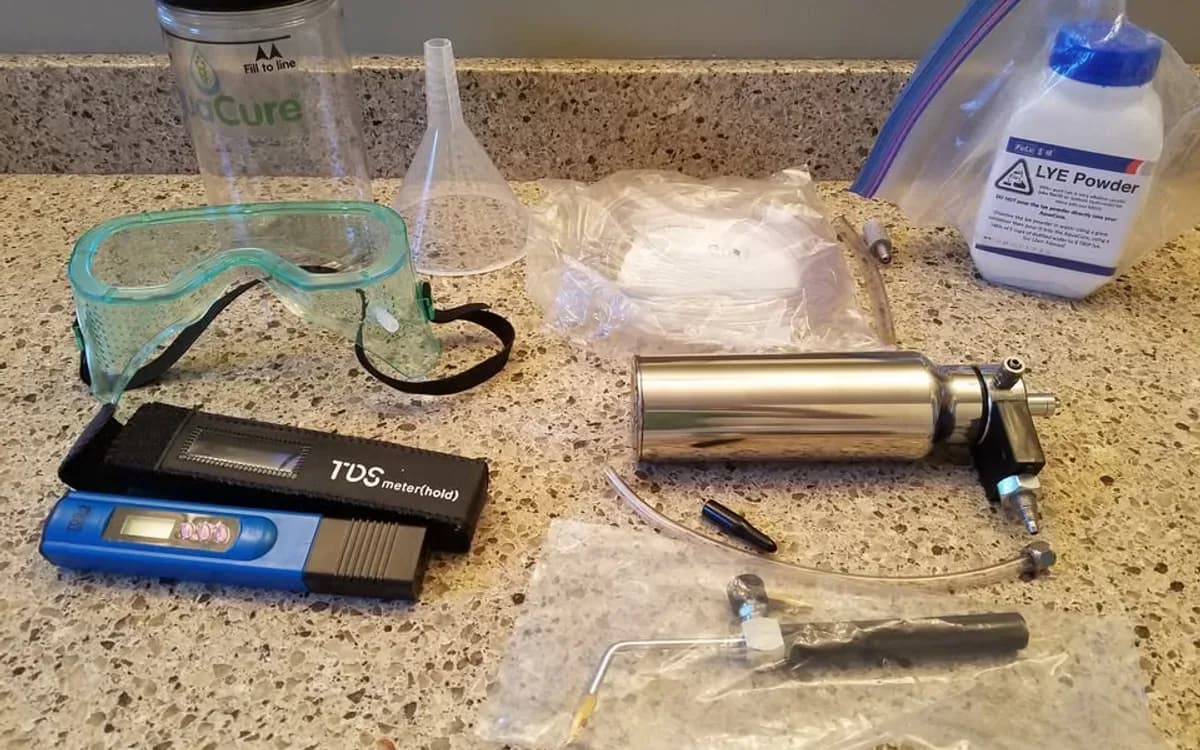
In my clinical practice, the hydrogen water machine vs bottle debate comes up weekly. Patients ask how to get an effective dose of molecular hydrogen without overspending. As a Certified Athletic Therapist and clinical researcher, I evaluate these devices based on hands-on testing, patient rehabilitation outcomes, and verified H2 concentrations.
For solo users seeking high-concentration H2 water, a quality portable bottle like the Echo Flask is a practical starting point. For families or high-volume daily users, the Echo Ultimate under-sink machine offers better long-term value. Hydrogen tablets work best as a backup for travel.
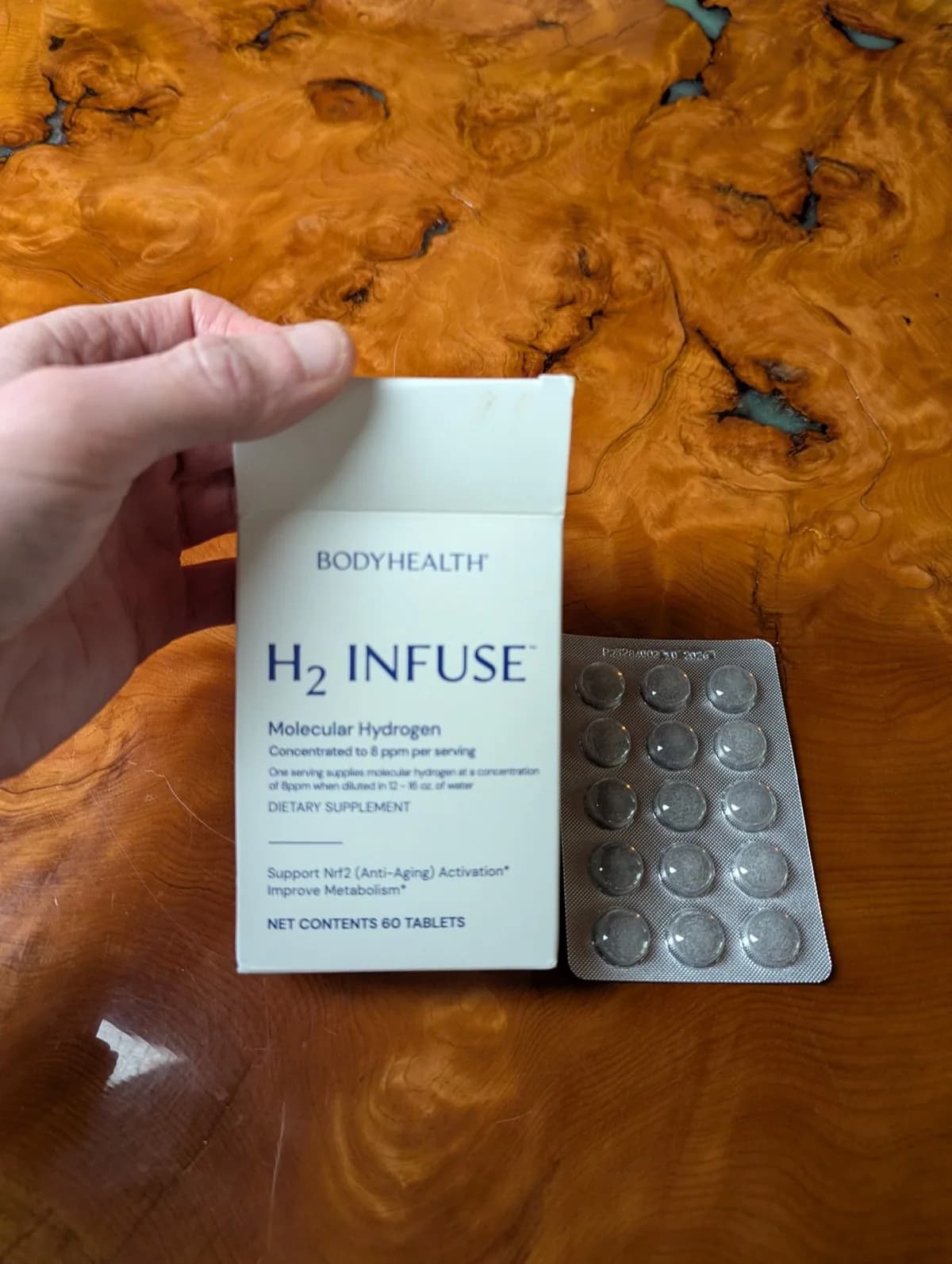
Which Should You Try First?: Hydrogen Tablets vs Hydrogen Water Bottles
⚡ Core Video Takeaways & Clinical Highlights
- •Hydrogen Tablets: Quick high-concentration peak (up to 3-5 ppm), best for travel and acute workout recovery.
- •Portable Hydrogen Bottles: Convenient daily use delivering 1.2+ ppm using rechargeable SPE/PEM electrolysis.
- •Clinical Verdict: Start with a portable bottle for daily home hydration; use tablets for travel flexibility.
Why the format you choose dictates clinical outcomes
Molecular hydrogen (H2) acts as a selective antioxidant, targeting harmful hydroxyl radicals to modulate inflammatory pathways. A comprehensive 2024 systematic review of 30 human studies showed positive results across exercise capacity, cardiovascular health, and oxidative stress reduction (Deryabin & Molanouri Shamsi, Int J Mol Sci, 2024; PMCID: PMC10816294).
H2 is volatile and dissipates into the air over time. The method you use to generate and consume hydrogen water determines how much dissolved H2 you take in.
Most clinical studies showing measurable benefits use hydrogen water in the 0.5 to 1.6 ppm (parts per million) range. Any format that reliably delivers water within this range provides therapeutic exposure.
Head-to-head comparison: machine vs bottle vs tablets
Here is a breakdown of the key factors I consider when evaluating these devices for my patients:
| Factor | Under-Sink Machine (Echo Ultimate) | Portable Bottle (Echo Flask) | Tablets (generic/H2 brands) |
|---|---|---|---|
| H2 concentration | Up to 1.5 ppm (on-demand) | 6.07 mg/L (10 min) / 8.25 mg/L (20 min)* | ~0.5-1.0 ppm (variable) |
| Volume per use | Unlimited | 10 oz per cycle | 8-16 oz per tablet |
| Upfront cost (USD) | $3,499.99 | $299-$349 | $0 (requires separate purchase) |
| Ongoing cost / litre | ~$0.02-$0.05 (amortized over 5 yr) | ~$0.03-$0.08 (amortized over lifespan) | $0.50-$1.50 per serving |
| Portability | Fixed (under-sink install) | Pocket/gym bag | Carry anywhere |
| Best for how many users | 2-6+ people | 1-2 people | 1 person (travel) |
| H2 output verified? | Yes (Echo lab testing) | Yes (H2 Analytics, Report H2AR-250116-1) | Rarely independently verified |
| Installation required | Yes (under-sink plumbing) | No | No |
| FSA/HSA eligible | Yes | Yes | Varies by brand |
| Warranty | 10 years | 1 year (bottle hardware) | N/A |
*Echo Flask H2 output independently verified by H2 Analytics via gas chromatography, Report H2AR-250116-1, January 16, 2025.
Cost-per-glass analysis: where the real numbers are
While upfront costs get the most attention, the per-serving math over 3 to 5 years gives a clearer financial picture.
Tablets
Reputable hydrogen tablets cost around $1.00 to $1.50 per 8 to 16 oz serving. Drinking 1.5 litres daily using tablets alone costs between $1,460 and $2,190 per year. Over three years, tablet costs exceed the price of an under-sink machine. They work best as a travel companion.
Portable bottles
The Echo Flask produces 10 oz of hydrogen water per cycle. For an individual drinking 1.5 litres daily, you will run roughly 5 cycles per day. With a lifespan of 3 or more years for the SPE/PEM electrolysis cell, the cost works out to well under $0.10 per litre. The primary constraint is volume. If two people want hydrogen water with every meal, you need to run the bottle 10 or more times daily.
Under-sink machines
The Echo Ultimate amortized over its 10-year warranty represents a hardware cost of about $0.96 per day. Factoring in annual filter replacements, a household of four consuming 6 litres daily gets hydrogen water at well under $0.10 per litre. For a family, the machine becomes cheaper per glass within 2 to 3 years.
"When patients ask whether to start with a bottle or go straight to a home machine, I ask two questions: how many people in your household will drink it, and are you willing to run 5 to 6 bottle cycles a day? For a solo drinker with discipline, the Echo Flask is practical, and its H2 concentration is higher than most machines. For a family of four who want everyone hydrated, the Echo Ultimate makes more sense, and it pays for itself within two years at their consumption rate." Daryl Stubbs, CAT(C), Clinical Researcher
The H2 concentration trade-off
The Echo Flask delivers 6.07 mg/L after a 10-minute cycle and 8.25 mg/L after 20 minutes. This is 4 to 5 times higher than what most under-sink systems produce at 1.5 ppm on demand.
Clinical studies demonstrating measurable benefits typically use concentrations in the 0.5 to 1.6 ppm range. A 24-week study involving 60 adults with metabolic syndrome used high-concentration hydrogen water and observed improvements in BMI, fasting glucose, and oxidative stress markers (LeBaron et al., Diabetes Metab Syndr Obes, 2020; PMID: 32273740). Both a 1.5 ppm machine and a 6 ppm bottle produce water within this therapeutic range.
The advantage of the bottle's higher ppm lies in its retention buffer. A bottle generating 6 ppm that loses 30% of its H2 during a commute still delivers plenty of molecular hydrogen compared to a machine running at 1.5 ppm.
Portable bottles: what to look for beyond the ppm number
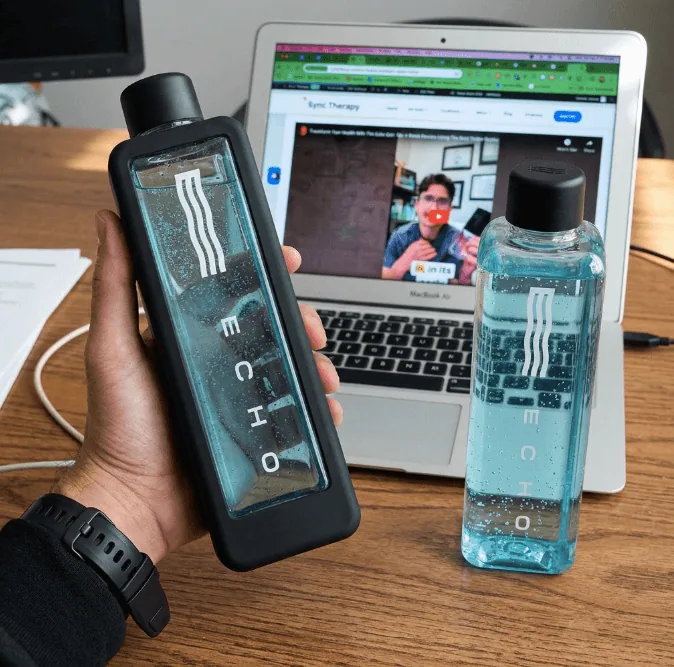
Not all hydrogen water bottles are built the same. The current standard is an SPE/PEM (solid polymer electrolyte / proton exchange membrane) cell with titanium-platinum plated electrodes. This design separates and vents chlorine and ozone gases during electrolysis.
Many budget bottles online claim 3.0 ppm or more without independent lab reports. The advertised concentration and the actual dissolved H2 you consume can differ significantly. My hydrogen water bottle comparison details the tested options I trust in my clinic.
Under-sink machines: when the upfront cost makes sense
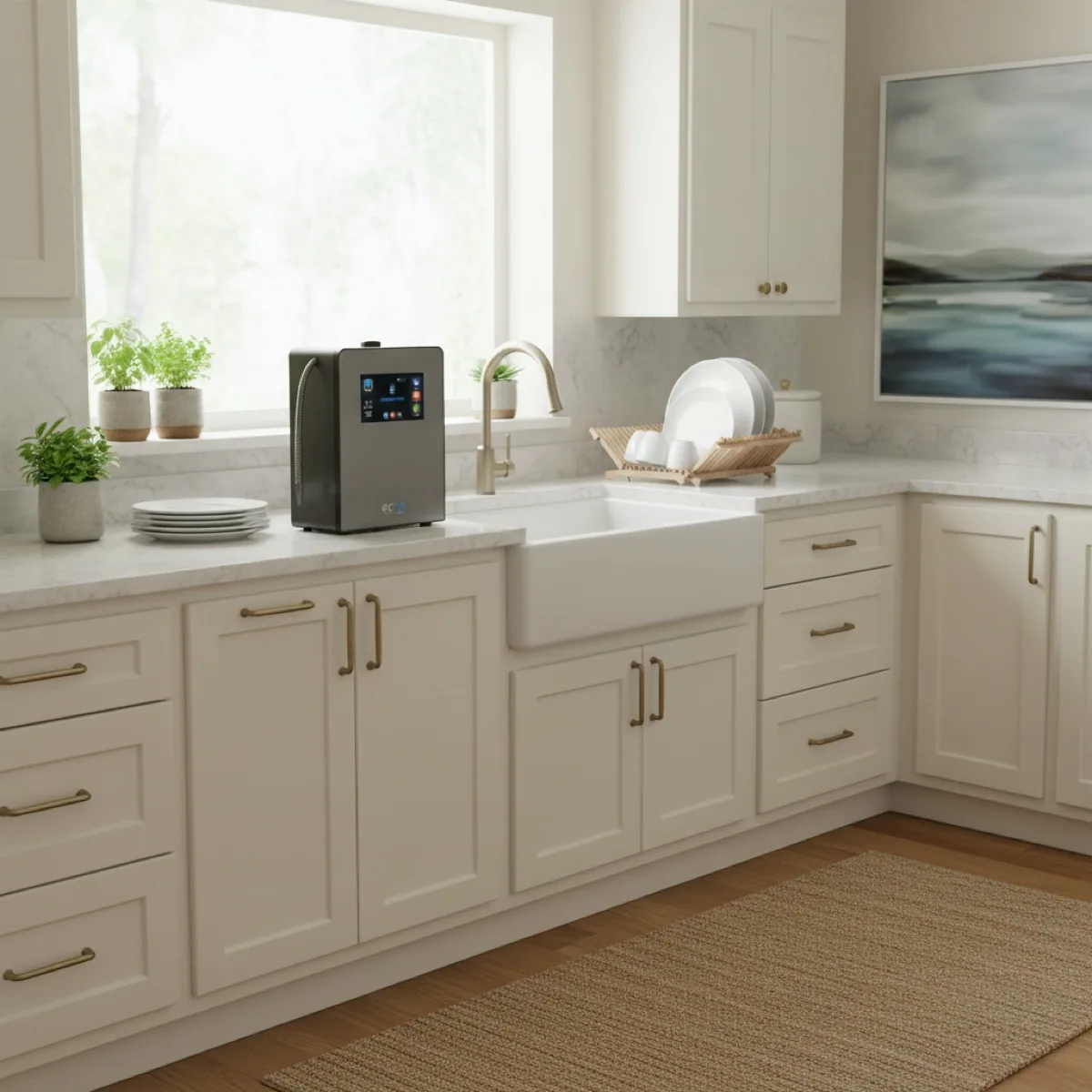
The Echo Ultimate is a comprehensive home system producing hydrogen-enriched water, alkaline water, acidic water, and filtered water. I use acidic water for skin rinsing and wound care protocols in clinical rehabilitation.
For a household of three or more people committed to daily hydrogen water, the long-term economics work out well. The convenience of on-demand tap flow for a whole family saves time every day.
Looking ahead, the new Echo One (expected Spring 2026) combines reverse osmosis with hydrogen infusion and UV filtration. For a full comparison of home options, see how machines stack up in our rankings.
Tablets: the honest case for and against
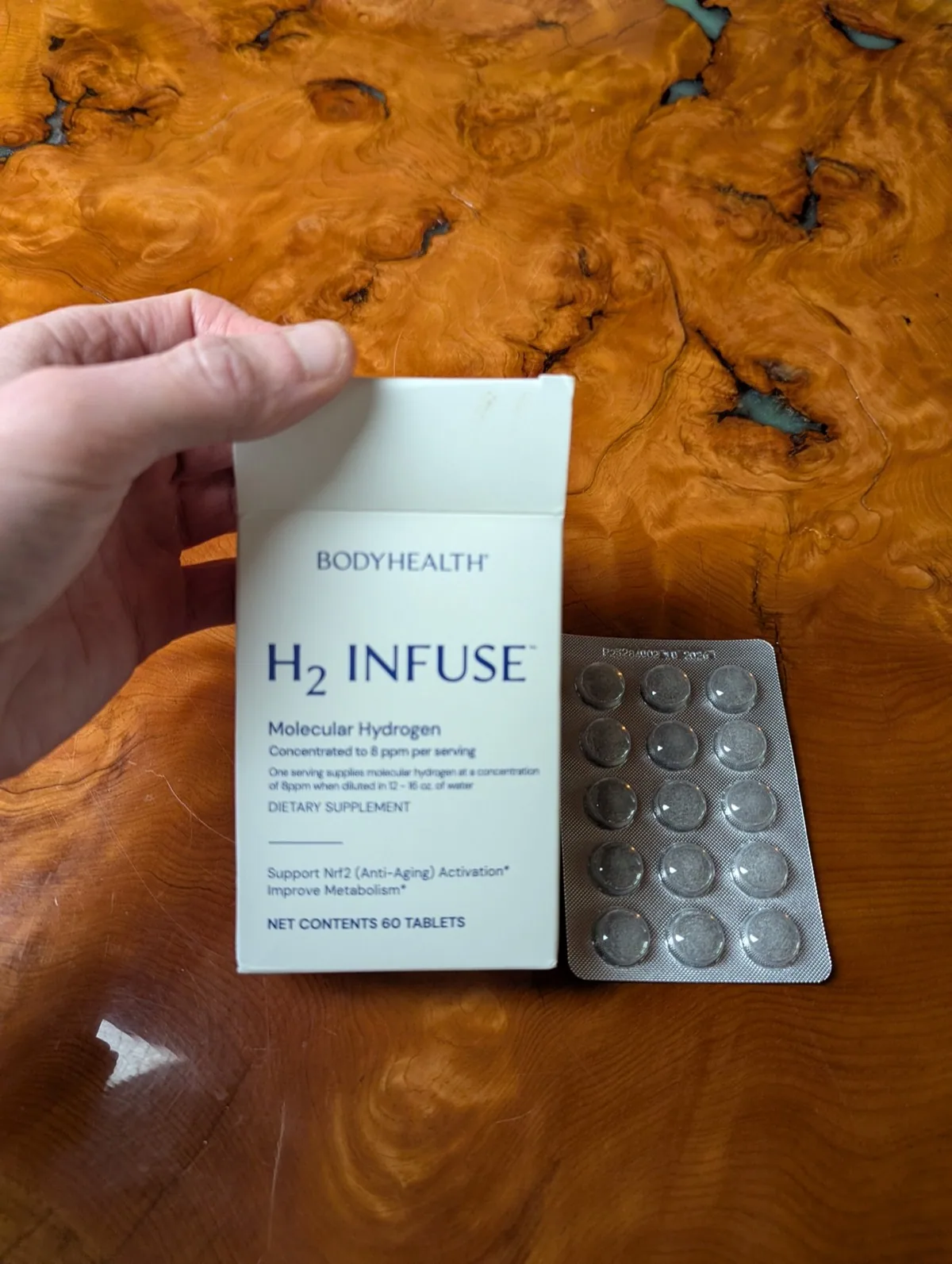
Hydrogen water tablets function by dissolving elemental magnesium in water. Their main advantage is portability since they require no electronics or batteries. For travel, tablets serve as a dependable backup.
However, the H2 concentration they produce varies with water temperature and mineral content. The per-serving cost is also much higher than hardware options. For a detailed comparison, I have written specifically about hydrogen water tablets worth considering.
Who should choose what
Making the right choice depends on your daily routine and hydration volume:
Choose the Echo Flask (portable bottle) if:
- You are the primary hydrogen water drinker in the household.
- You want the highest verified H2 concentration (6.07 to 8.25 mg/L, independently verified).
- You want hydrogen water at the gym, at work, or during your commute.
- You want to trial hydrogen water for 90 days before investing in a home system.
- You live in a rental where modifying plumbing is not an option.
Choose the Echo Ultimate (under-sink machine) if:
- Two or more people in your household drink hydrogen water daily.
- You want unlimited on-demand hydrogen water from the tap without cycling bottles.
- You cook with it, give it to pets, or want acidic water for skin care.
- You plan to drink hydrogen water for 5 or more years and want the lowest cost per litre.
Choose tablets if:
- You are travelling internationally and cannot pack powered devices.
- You want to test hydrogen water with zero hardware investment.
My clinical recommendation
Most of my patients start with the Echo Flask to experience therapeutic hydrogen water without a major upfront investment. Several athletes report faster recovery times within 3 to 4 weeks of daily use.
After 2 to 3 months, users who drink hydrogen water consistently often look into home systems. For a family of three or more, an under-sink system provides the lowest long-term cost and maximum convenience.
Both formats produce water that exceeds the concentrations validated in clinical trials. The differences come down to convenience, volume, and long-term costs.
"If you are drinking hydrogen water alone, the Echo Flask at 6.07 mg/L gives you more dissolved H2 per serving than any under-sink system on the market. If portability matters to you, it is the practical pick on concentration grounds alone. Families spending $1,500 or more each year on tablets will save money with an Echo Ultimate over three or more years of daily use." Daryl Stubbs, CAT(C), Clinical Researcher
Related Clinical Resources
- Recommended Guide: Read my full, hands-on review of the best hydrogen water bottles for deeper clinical insights.
- Related Review: Check out my comparative analysis on the Hydrogen Water Machine Vs Reverse Osmosis.