As a Certified Athletic Therapist and clinical nutritionist, my primary focus is human recovery and tissue rehabilitation. However, many clients in clinical discussions are pet owners who ask whether the therapies they use for joint inflammation can safely benefit their dogs.
The short answer is yes. Molecular hydrogen (H2) is non-toxic, with emerging veterinary research evaluating its use for canine wound healing, joint health, and oxidative stress management.
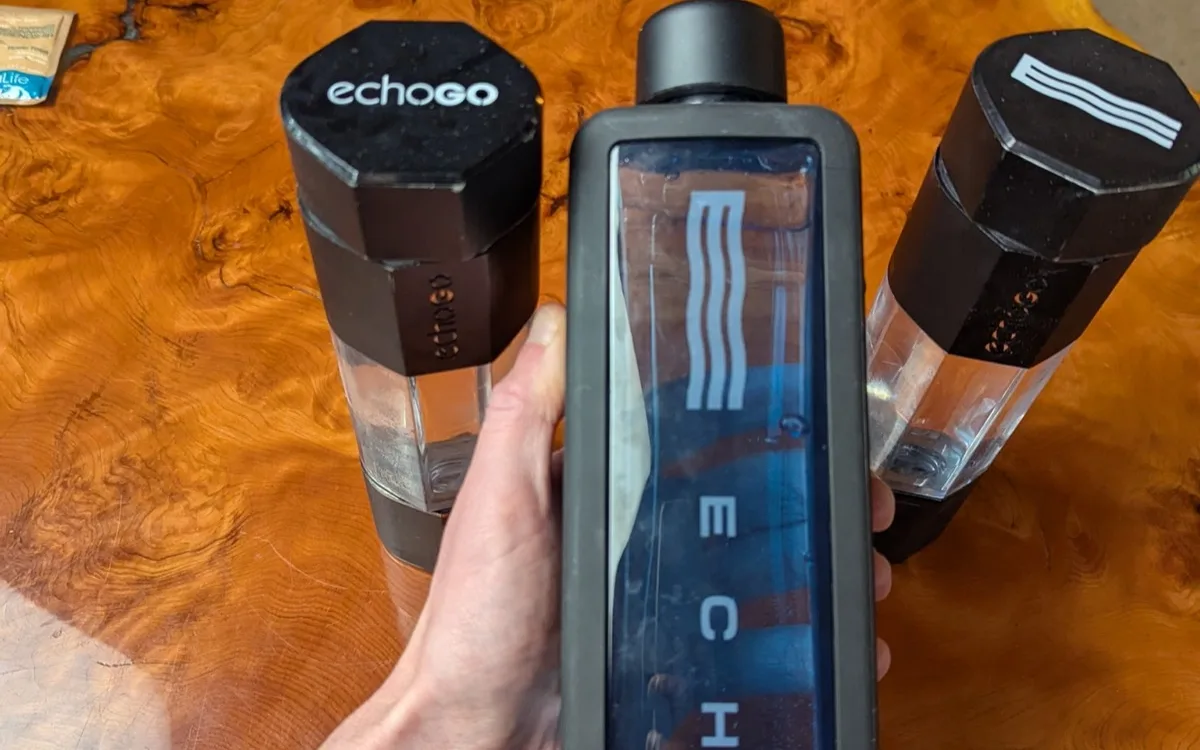
Below is a look at the veterinary science behind hydrogen water for pets and practical ways to introduce it.
Veterinary Research: Wound Healing and Joint Support
Like humans, dogs accumulate oxidative stress as they age or recover from injuries. Oxidative stress happens when reactive oxygen species (ROS) outpace internal antioxidant defenses, contributing to tissue inflammation and joint stiffness.
Veterinary studies have explored several specific roles for hydrogen-rich water (HRW):
- Accelerated wound recovery: A study in veterinary literature evaluated dogs treated with hydrogen-rich water for surgical and superficial wounds. Dogs receiving HRW showed faster wound closure, reduced redness, and less tissue inflammation than control groups.
- Nrf2 pathway activation: Molecular hydrogen stimulates the Nrf2 pathway, which triggers internal antioxidant enzymes such as superoxide dismutase and catalase to help buffer cellular inflammation.
- Arthritis and mobility: Senior dogs, especially larger breeds, frequently develop osteoarthritis. By selectively neutralizing damaging hydroxyl radicals in joint tissues, hydrogen water can help ease stiffness and support daily mobility.
Safety and Toxicology Profile
Molecular hydrogen is non-toxic and well tolerated in mammalian models:
- No cellular accumulation: Excess hydrogen gas does not build up in tissues. Surplus gas is exhaled or passed naturally.
- Zero organ toxicity: Long-term animal trials show no adverse effects on liver enzymes, kidney function, or blood chemistry.
- Neutral taste and odor: Hydrogen-infused water tastes and smells like standard drinking water, so pets drink it without hesitation.
How to Serve Hydrogen Water for Dogs
Because dissolved hydrogen gas dissipates into the air within a few hours, keep these practical tips in mind:
- Serve fresh: Pour water straight from your generator into their bowl, and refresh it once or twice daily.
- Introduce gradually: Mix hydrogen water half-and-half with their regular filtered water for the first few days while their system adjusts.
- Use clean equipment: Make sure your device uses SPE/PEM technology to ensure that chlorine or ozone byproducts never enter the drinking water.
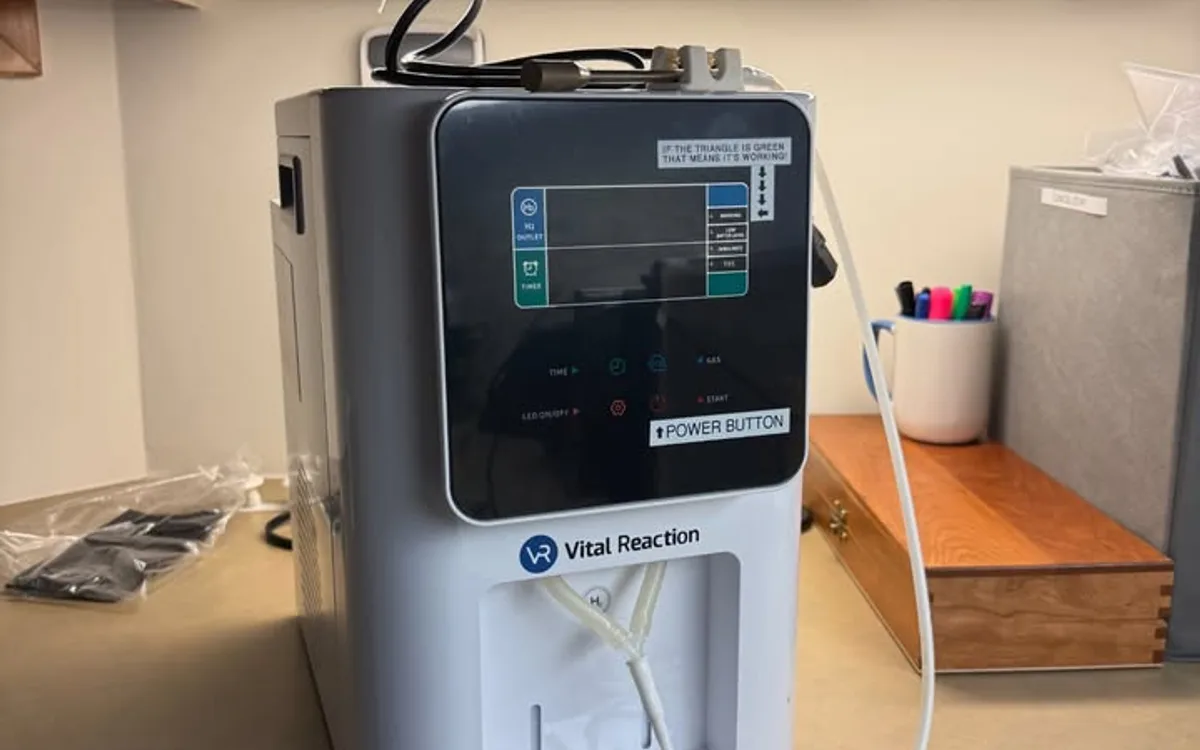
Countertop machines are the most practical way to generate enough hydrogen water for a household with pets. For a comparison of leading home generators, see my guide to the Best Hydrogen Water Machines.
Disclaimer: I am a Certified Athletic Therapist and Holistic Nutritionist, not a veterinarian. This article is for educational purposes. Consult with your veterinarian before making significant changes to your pet's hydration or dietary routine.
References and Research
- Nature Medicine: "Hydrogen acts as a therapeutic antioxidant by selectively reducing cytotoxic oxygen radicals." PMID: 17486089
- Journal of Veterinary Medical Science: "Effects of hydrogen-rich water on wound healing in dogs."