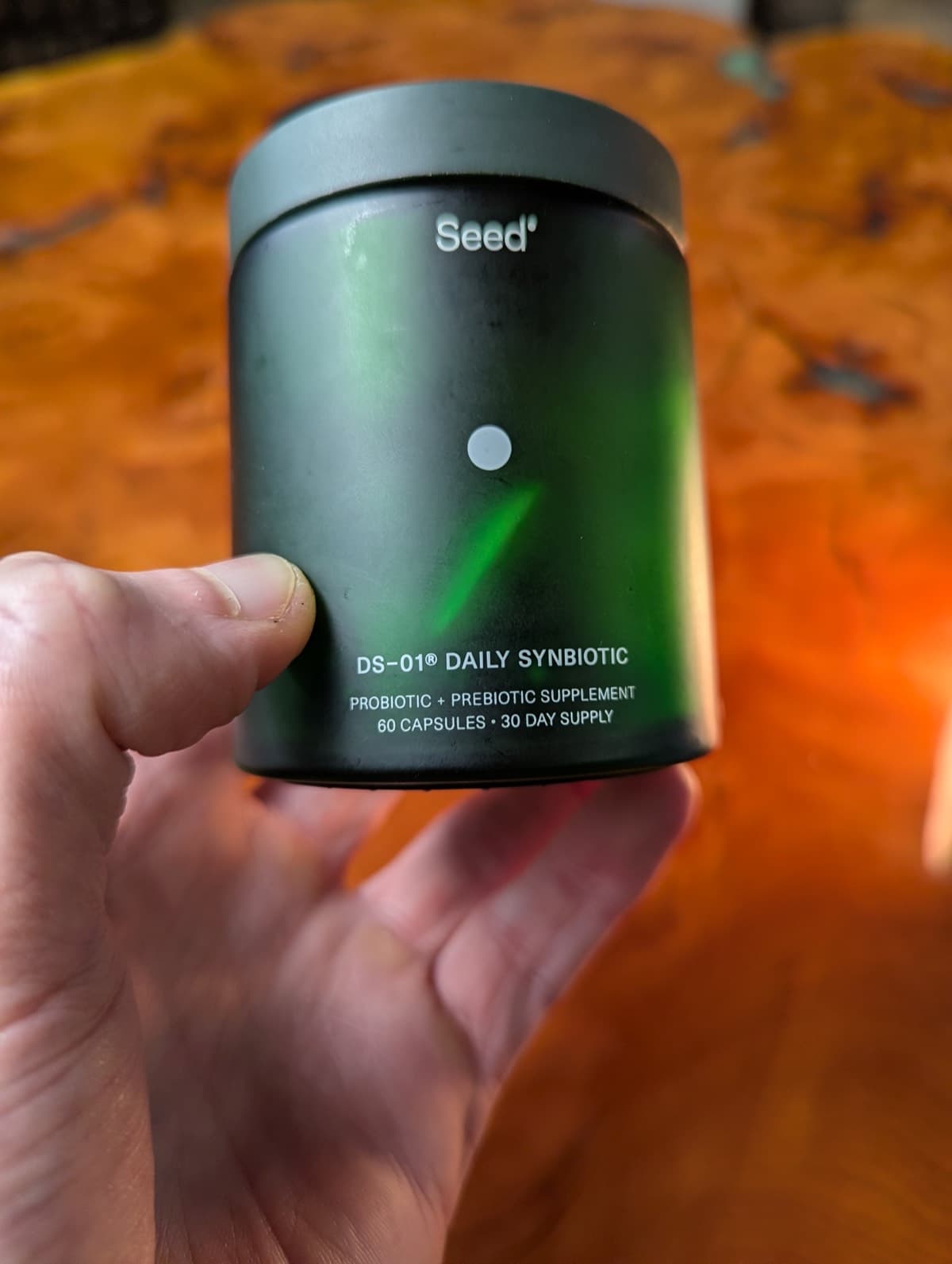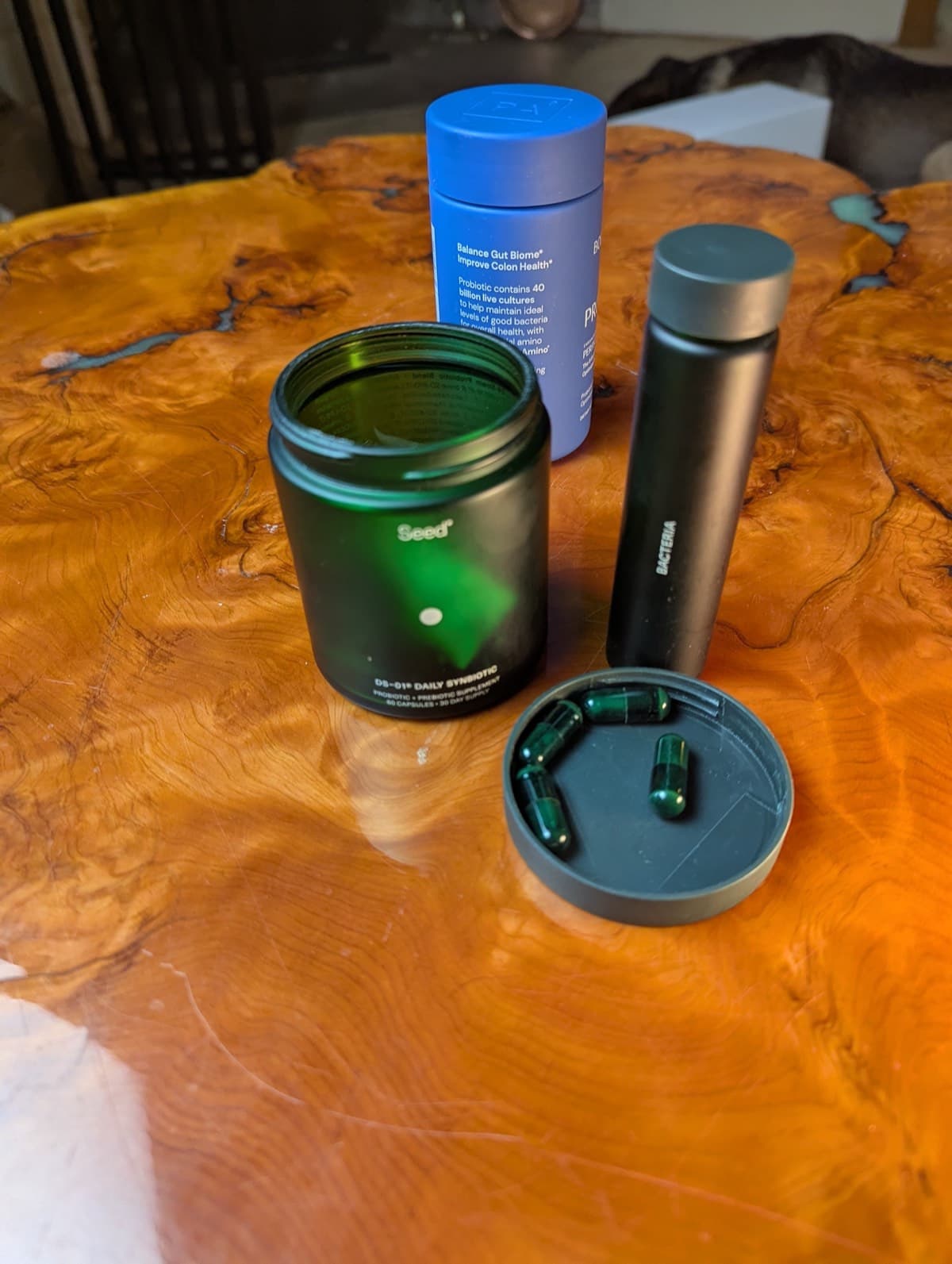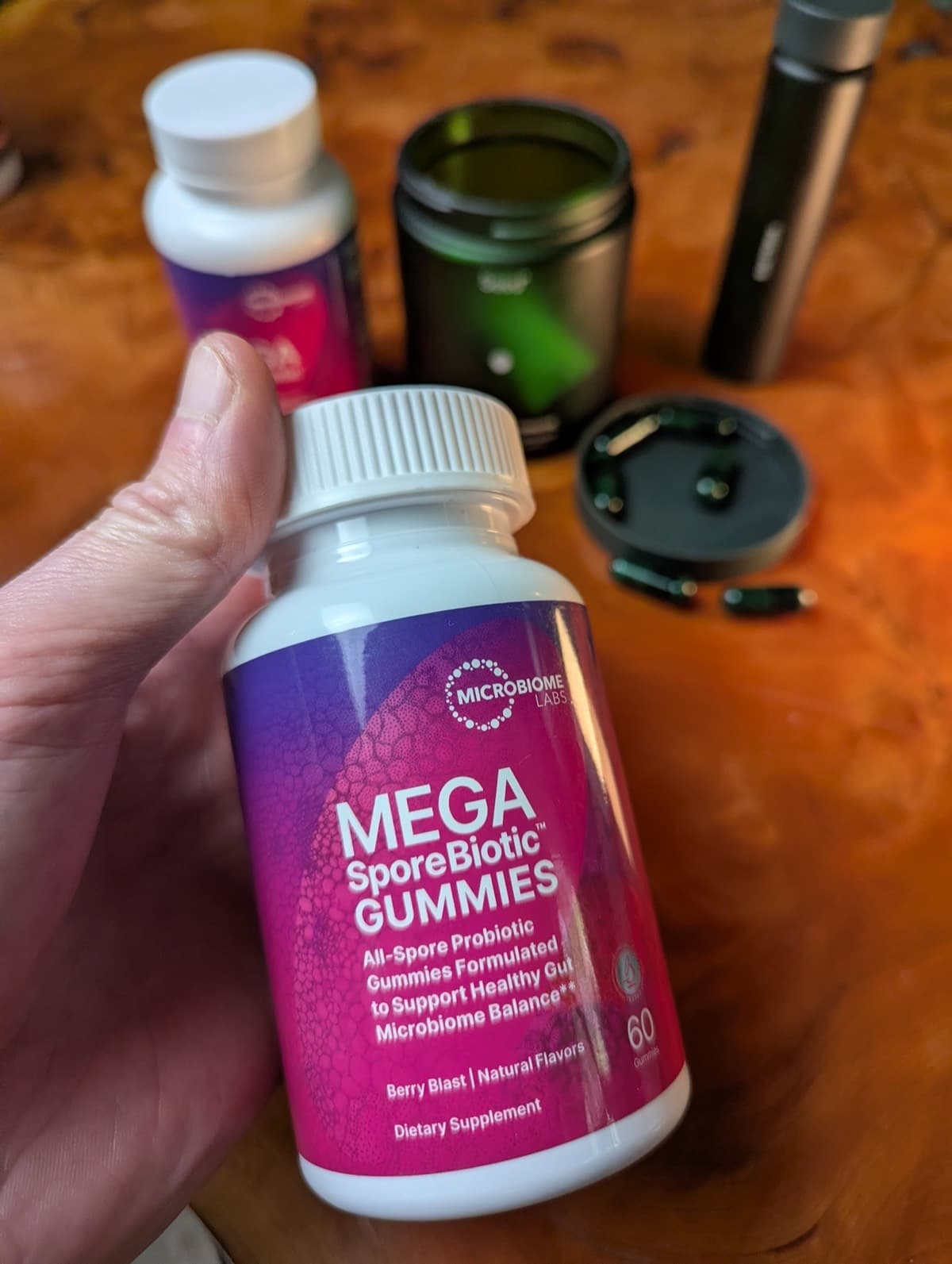
In my clinical practice, patients constantly ask me to compare the latest biohacking supplements, making the seed vs gruns debate a frequent topic of conversation. As a Certified Athletic Therapist and clinical researcher, I don't just read marketing copy. I run rigorous field tests to evaluate how these formulas impact real-world digestion, systemic inflammation, and physical recovery. Over the past six months, I have personally tested both Seed DS-01 and Grüns to measure their clinical outcomes.
Direct Verdict: For targeted, science-backed gut health and measurable digestive relief, Seed DS-01 Daily Synbiotic is my unequivocal recommendation. If you prioritize convenience and want a tasty, all-in-one greens gummy, Grüns offers a palatable alternative, though it lacks the potent, protected probiotic benefits required for serious clinical intervention.
Why You Can Trust My Review
As a licensed clinician and dedicated biohacking researcher, my approach to supplementation relies on scientific evidence and hands-on patient observation. I monitor clinical outcomes in my private practice daily. I examine the peer-reviewed research, test the protocols myself, and track the physiological changes in my patients.
This six-month trial allowed me to assess the long-term effects of both Seed and Grüns on gut barrier integrity, bloating reduction, and overall vitality. My objective is to give you an authoritative, unbiased perspective to optimize your high-performance health protocols.
Seed vs. Grüns: A Side-by-Side Comparison
Before examining the specifics, here is a quick overview of how these two supplements stack up in a clinical context:
| Feature | Seed DS-01 Daily Synbiotic | Grüns |
|---|---|---|
| Primary Goal | Targeted gut health (probiotics + prebiotics) | Greens + probiotics combo in gummy form |
| Probiotic Potency | 24 strains (53.6 Billion AFU) | Lower potency probiotic blend in gummies |
| Format | Capsule with ViaCap® delivery technology | Gummy (chewable) |
| Prebiotic | Pomegranate punicalagins + pine bark polyphenols | Limited prebiotic content |
| Price Per Month | $49.99/month | ~$50/month |
| Dietary Friendliness | Vegan, Gluten-Free, Soy-Free | Check label for specific dietary info |
| Get Best Deal on Seed | Get Best Deal on Grüns |
Understanding Seed DS-01 Daily Synbiotic
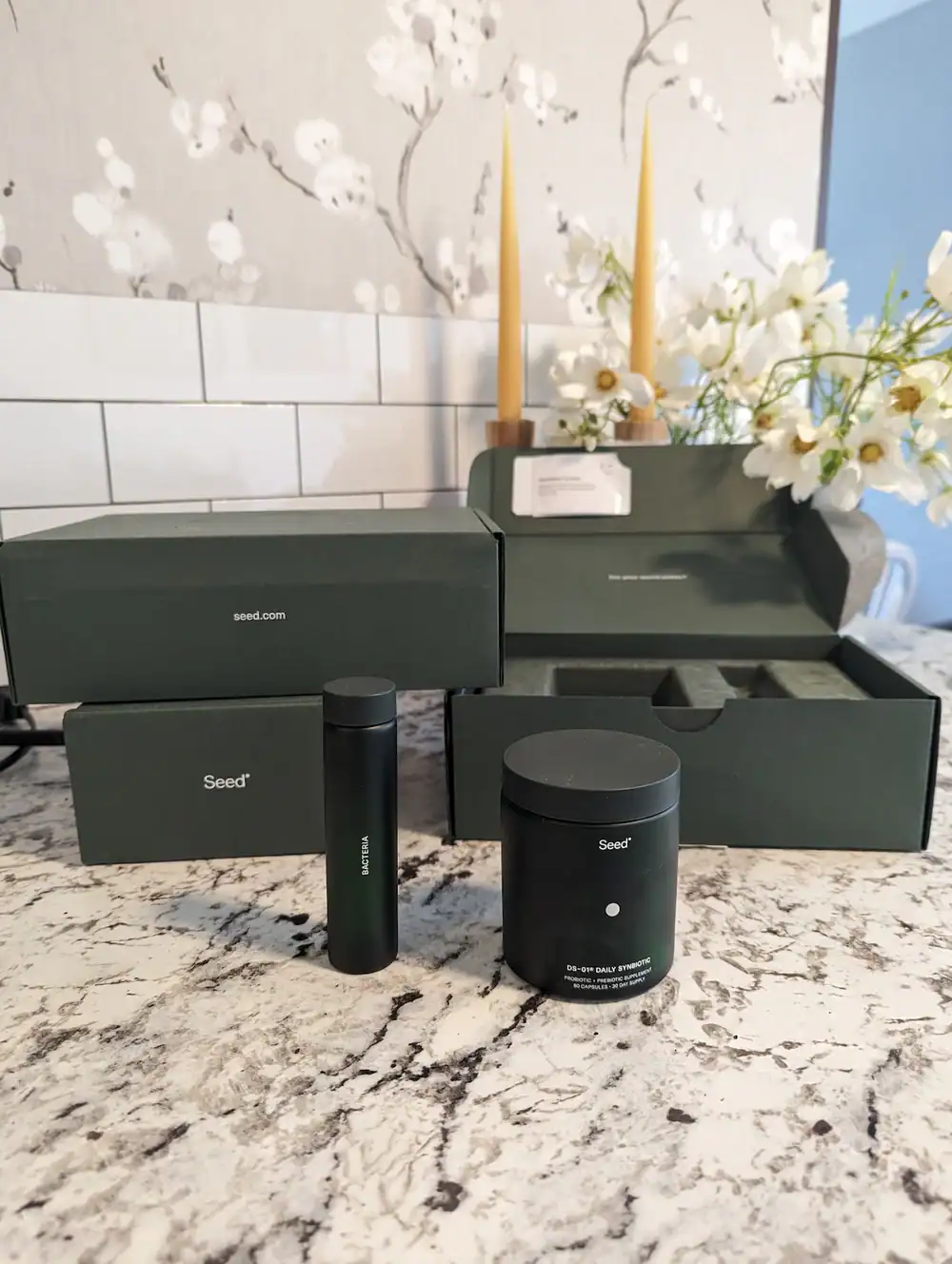
When evaluating this formulation, Seed DS-01 immediately stood out for its clinical rigor. This is a true synbiotic, combining both probiotics and prebiotics in a single, intelligently designed dose. Seed features 24 clinically-studied probiotic strains, delivering a massive 53.6 billion AFU (Active Fluorescent Units). In my practice, this high strain diversity is non-negotiable for achieving noticeable shifts in microbiome health.
The real breakthrough is Seed's 2-in-1 ViaCap® Delivery Technology. This capsule-in-capsule system protects the inner probiotic core from harsh stomach acid. Live bacteria actually survive gastric transit and reach the colon intact to colonize effectively. This is a critical failure point for most standard probiotics, especially gummies.
From a biohacking standpoint, Seed utilizes precision prebiotics like pomegranate punicalagins and pine bark polyphenols. These non-fermenting compounds selectively feed beneficial bacteria without triggering the bloating often associated with cheap fermentable fibers. Patients often tell me their chronic bloating and digestive discomfort improve significantly within just a few weeks of starting Seed. The feedback is consistently positive regarding its impact on gut barrier integrity, skin health, and immune function.
Pros of Seed DS-01:
- Scientifically Validated: 24 clinically-studied probiotic strains with 53.6 billion AFU.
- Advanced Delivery: ViaCap® technology ensures probiotic survival through stomach acid.
- Precision Prebiotics: Non-fermenting polyphenols nourish beneficial bacteria without bloating.
- Comprehensive Benefits: Supports digestion, gut barrier integrity, immune function, and skin health.
- Clean Formula: Vegan, gluten-free, dairy-free, soy-free, no binders or preservatives.
- Noticeable Clinical Results: Consistently positive feedback from patients regarding digestive comfort and regularity.
Cons of Seed DS-01:
- Capsule Format: May not appeal to those who prefer chewables.
- Price Point: Premium product with a premium price, though justified by clinical efficacy.
Use code "synctherapy" for 15% OFF
Exploring The Grüns Formula
Grüns takes an entirely different approach, prioritizing convenience and broad-spectrum nutritional support in a chewable gummy. It blends greens powders with a basic probiotic component. For patients who struggle with swallowing capsules, this candy-like format is highly appealing.
The greens blend includes spirulina, chlorella, kale, and spinach to provide baseline vitamins and antioxidants. While useful for filling minor nutrient gaps, the probiotic efficacy is where Grüns falls short of clinical standards. The strain diversity and overall potency are significantly lower than Seed.
More importantly, the gummy format compromises probiotic survival. Probiotics are highly sensitive organisms. Exposure to heat, moisture, and stomach acid destroys a large percentage of the bacteria in Grüns before they ever reach the lower intestine.
In my clinical experience, Grüns works fine as a basic daily nutrient boost. Patients who prioritize taste and ease of use often enjoy adding it to their routine. However, when treating specific gut health issues like chronic irregularity or compromised gut barriers, it lacks the targeted potency required for real rehabilitation. The probiotic benefits are simply less predictable due to the delivery method.
Pros of Grüns:
- Convenient Gummy Format: Easy to take and tastes like candy, ideal for those averse to capsules or powders.
- Greens Blend: Provides additional vitamins, minerals, and antioxidants for general wellness.
- All-in-One: Combines multiple supplement types into a single product.
- Appealing to Younger Audiences: Modern branding and user-friendly experience.
Cons of Grüns:
- Lower Probiotic Efficacy: Gummy format compromises probiotic survival through stomach acid.
- Less Targeted Gut Support: Not designed for specific, high-potency gut health interventions.
- Sugar Content: Gummies typically contain added sugars.
- Limited Prebiotic Content: Does not offer the precision prebiotic benefits of Seed.
Who It's Best For: Seed vs. Grüns
The decision between these two supplements depends entirely on your clinical goals and daily habits.
Choose Seed if...
Your primary goal is to eliminate unpredictable bloating and restore optimal digestive function. Seed's precision-focused formula is second to none for serious microbiome support. It is ideal for those seeking:
- Targeted Gut Health: Addressing specific issues like bloating, gas, irregularity, and supporting gut barrier integrity.
- Scientifically-Backed Efficacy: You prioritize clinical research and advanced delivery systems.
- Long-Term Microbiome Support: You need a foundational supplement for optimal gut function.
- Biohacking for Performance: You understand the profound impact of gut health on energy, mood, and physical recovery.
Choose Grüns if...
You want a tasty, convenient supplement that combines greens with probiotics in gummy form. If you struggle with capsules and want something that feels like a daily treat, Grüns is the clear winner. It is best for those seeking:
- Convenience and Taste: You prefer a chewable format and enjoy the flavor.
- General Wellness Boost: You want to supplement your diet with greens and a basic probiotic.
- Filling Nutrient Gaps: You need an easy way to increase your daily intake of vitamins and minerals.
- Capsule Aversion: You find it difficult to swallow pills.
The Bottom Line
If you require targeted gut rehabilitation and demand a scientifically-backed formula, Seed DS-01 is the superior choice. Its 24 strains, 53.6 billion AFU, and ViaCap® delivery system ensure live probiotics actually reach your colon to optimize digestive function.
If you simply want a convenient, tasty greens supplement and do not need clinical-grade digestive support, Grüns is a solid daily gummy. It serves well as a general wellness supplement but will not provide the same level of targeted gut repair as Seed.
For personalized gut health guidance alongside your supplement routine, our nutrition consulting and registered Athletic Therapy clinic in Colwood focuses on a whole-body approach to recovery and performance.
Frequently Asked Questions
-
Can you take Seed and Grüns together? While you technically can take Seed and Grüns together, it is generally unnecessary and not cost-effective. Both products contain probiotics, meaning you would be doubling up. Choose the one that aligns with your primary health goals.
-
Is Seed actually a good probiotic? Yes, Seed is an excellent, scientifically-backed synbiotic. Its formulation includes 24 specific probiotic strains clinically studied for their benefits. The innovative capsule-in-capsule design ensures the probiotics survive stomach acid to reach the gut intact.
-
When comparing Seed vs Grüns for bloating, which is better? For issues specifically related to bloating and digestion, Seed has a massive edge due to its highly-targeted, potent blend of 24 probiotic strains and its protective capsule technology. Its prebiotic is also non-fermenting, which prevents excess gas production.
-
Are Grüns gummies effective for gut health? Grüns provides minor gut health benefits due to its probiotic content, but the gummy format exposes the bacteria to stomach acid, heavily reducing their effectiveness. Capsules with protective delivery technology like Seed's ViaCap® are required for targeted gut health outcomes.
-
What is the cost of Seed vs Grüns? Both products are priced similarly at approximately $49.99-50/month. Seed offers a 15% discount with code 'synctherapy,' bringing the cost down to about $1.91 per day. Grüns pricing varies based on subscription options.
Related Articles
- → Seed Probiotics Reviews
- → Best Prebiotics & Probiotics Supplements
- → Seed vs AG1
References
Seed DS-01 Clinical Trials
- Allegretti JR, et al. "A Randomized, Placebo-Controlled Trial Evaluating Multi-Species Synbiotic Supplementation for Bloating, Gas, and Abdominal Discomfort." Nutrients. 2026;18(2):255. https://doi.org/10.3390/nu18020255
- Napier BA, et al. "Multi-Species Synbiotic Supplementation Enhances Gut Microbial Diversity, Increases Urolithin A and Butyrate Production, and Reduces Inflammation in Healthy Adults." Nutrients. 2025;17(17):2734. PMID: 40944126. https://pubmed.ncbi.nlm.nih.gov/40944126/
- Grumet L, et al. "The Development of High-Quality Multispecies Probiotic Formulations: From Bench to Market." Nutrients. 2020;12(8):2453. https://www.mdpi.com/2076-2607/12/8/2453
Related Clinical Resources
- Recommended Guide: Read my full, hands-on review of the probiotics that actually work for deeper clinical insights.
- Related Review: Check out my comparative analysis on the Seed Vs Just Thrive.