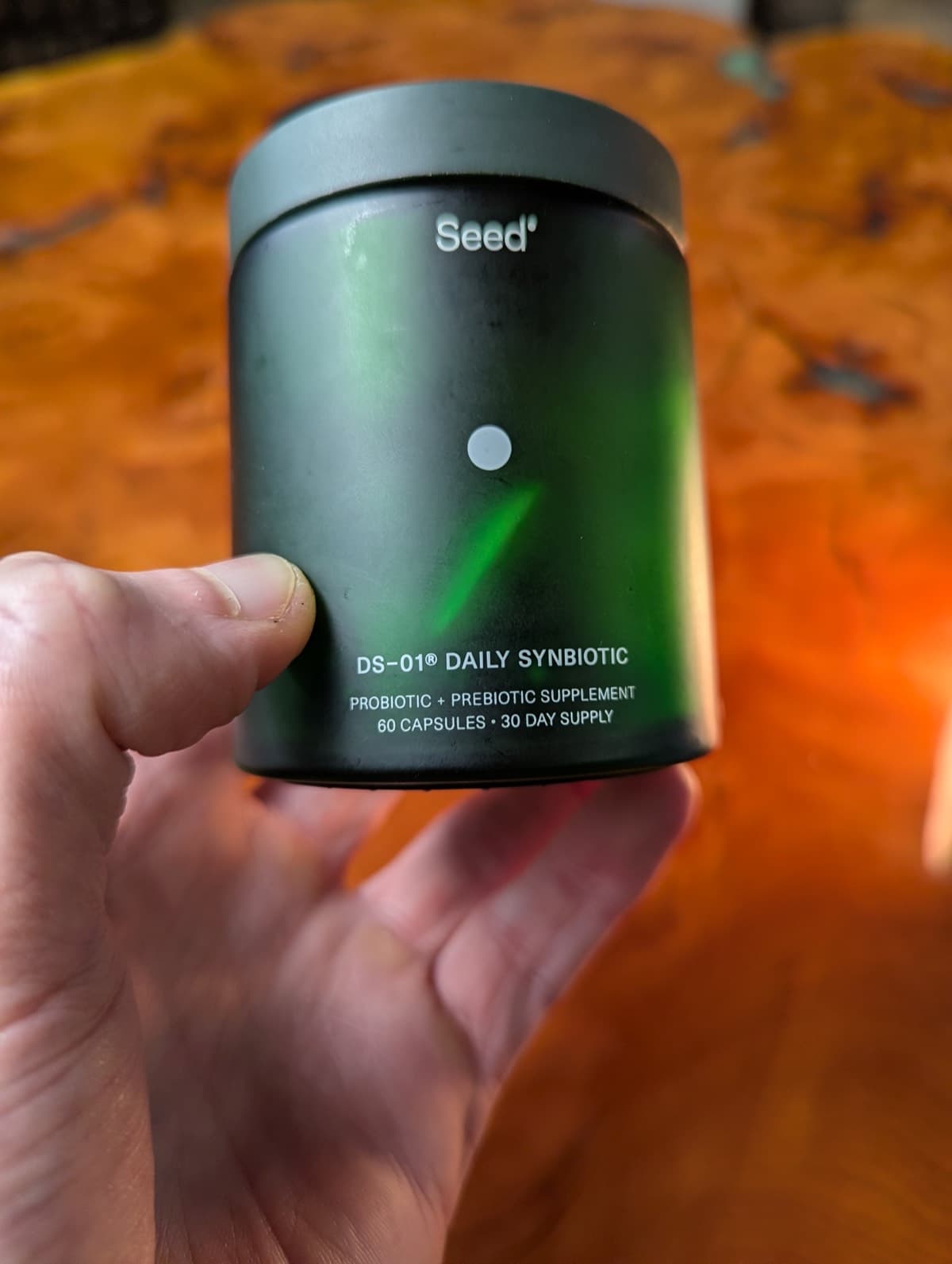
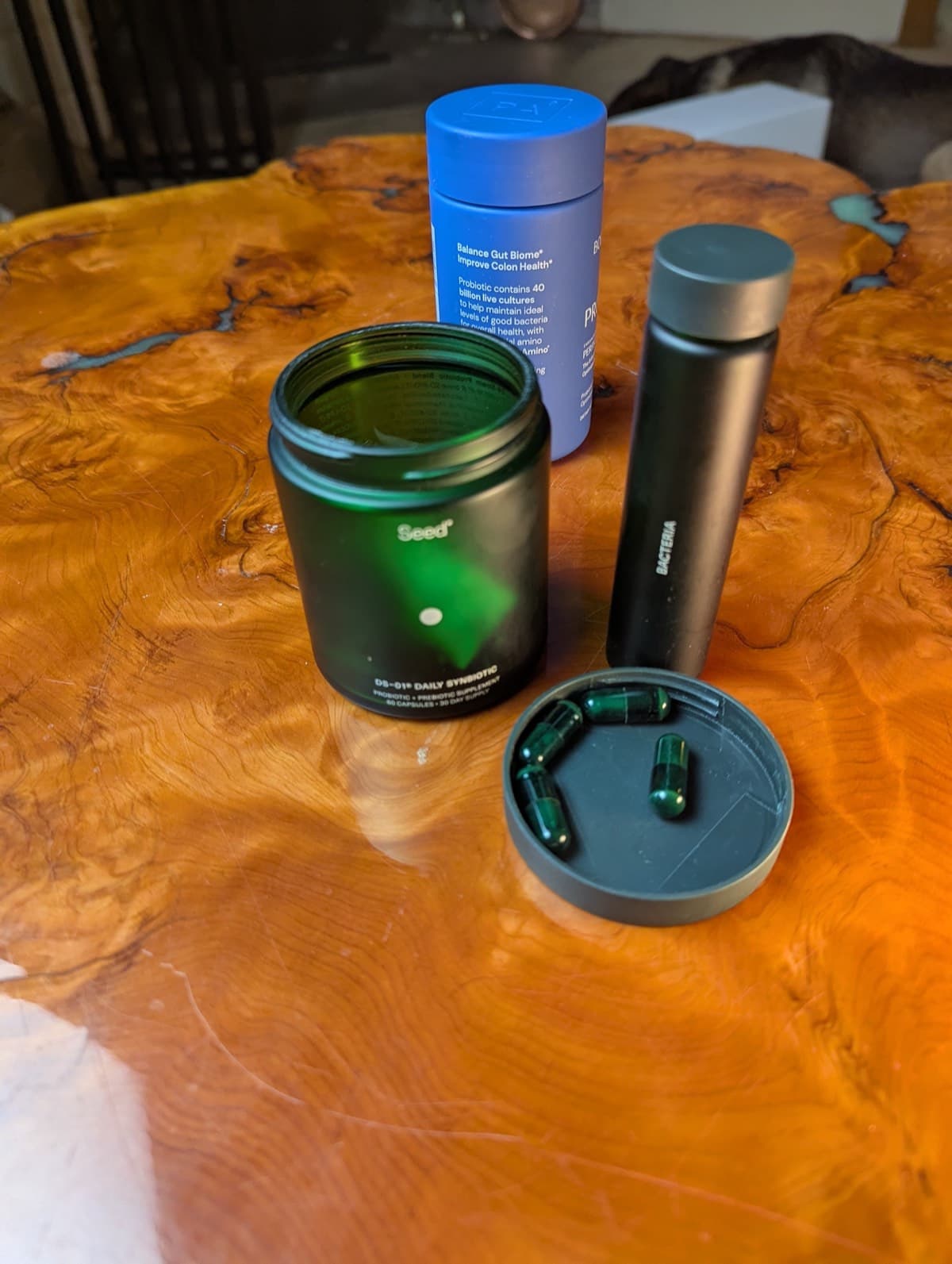
Patients ask me every single week to recommend probiotics that actually work. As a Certified Athletic Therapist (Certified Athletic Therapist) and clinical researcher, I spend a lot of time looking at how systemic inflammation and gut health impact muscle recovery. If you have ever bought a probiotic, taken it for a month, and felt absolutely nothing, you are not crazy.
Most of the bottles sitting on your local pharmacy shelf are completely useless. They are either dead by the time you swallow them or contain generic strains with zero human clinical data behind them. I have evaluated dozens of these supplements in my practice. The gap between marketing claims and clinical outcomes is massive.
The Clinical Reality of Gut Health
Gut health directly impacts systemic inflammation, immune response, and even tissue repair. When a patient comes to me with chronic joint pain or slow recovery times, I always ask about their digestion. A compromised microbiome often acts as a roadblock to physical rehabilitation.
As an Certified Athletic Therapist, I constantly look at the gut-muscle connection. Systemic inflammation originating in the gut can manifest as chronic myofascial pain. When the intestinal lining is compromised, undigested proteins and endotoxins enter the bloodstream. This triggers an immune response that delays muscle recovery and exacerbates joint stiffness. Fixing the microbiome is often a mandatory step in a successful physical rehabilitation protocol.
The problem is the supplement industry is largely unregulated. Companies can pack a capsule with cheap, untested bacteria, slap a "100 Billion CFU" label on the front, and charge a premium. I stopped wasting my money on these generic blends years ago. To get real clinical outcomes, you need precision. You need specific strains matched to specific symptoms.
What "Probiotic" Actually Means
In clinical research, the term "probiotic" has a strict definition. A supplement only earns this title when it meets three non-negotiable criteria. Anything that fails one of these three is closer to a vitamin shot in the dark.
First, the bacteria must be identified down to the exact strain level. It is not enough to just list the genus and species, like Lactobacillus acidophilus. You need the specific alphanumeric strain identifier. Different strains of the same species can have completely different effects on the human body.
Second, there must be peer-reviewed human research on that exact strain. Animal studies or petri dish experiments do not count. I need to see placebo-controlled human trials before I recommend anything to a patient.
Third, the label must guarantee the number of live organisms (CFUs) at the expiration date. Many cheap brands only guarantee CFUs at the time of manufacture. By the time that bottle sits in a hot warehouse, ships to a store, and sits on your counter, the bacteria are dead.
The Delivery Problem: Surviving the Stomach
Even if you buy a high-quality strain, you still have to get it past your stomach acid. The human stomach is a highly acidic environment designed to destroy incoming pathogens. It will happily destroy your expensive probiotic supplement too.
Stomach acid kills most unprotected probiotics on contact. When evaluating a device or supplement for my patients, the delivery mechanism is everything.
Look for delayed-release capsules designed to bypass the stomach and dissolve in the intestines. Alternatively, look for shelf-stable, spore-based formulations. Spore-based probiotics have a natural protective coating that allows them to survive harsh environments.
Packaging matters too. I always give bonus points for blister packs over open bottles. Every time you open a standard bottle, you expose the remaining capsules to moisture and oxygen, which degrades the live cultures.
Specific Strains I Look For
When I build a rehabilitation or biohacking protocol for a patient, I rely on a few heavily researched strains. These are the ones with actual clinical data behind them.
Lactobacillus rhamnosus GG (LGG) This is the most heavily studied probiotic strain in the world. It has hundreds of clinical trials backing its efficacy. I frequently recommend LGG for patients dealing with acute digestive distress or those looking to rebuild their microbiome after a course of antibiotics. It has a proven ability to adhere to the intestinal lining and outcompete harmful bacteria.
Saccharomyces boulardii This is actually a beneficial yeast, not a bacterium. Because it is a yeast, it naturally survives stomach acid and is completely immune to antibiotics. I consider this mandatory for anyone traveling internationally. It is highly effective at preventing traveler's diarrhea and stopping acute gastrointestinal infections.
Bifidobacterium longum 35624 If a patient complains of Irritable Bowel Syndrome (IBS), bloating, or unpredictable bowel movements, this is the strain I look for. The clinical data on B. longum 35624 for reducing visceral hypersensitivity and bloating is incredibly strong. It helps regulate gut motility and calms localized inflammation in the lower intestine.
To make this easy to reference, here is a breakdown of how I categorize these strains in my clinical practice.
| Strain Identifier | Primary Clinical Use | Survivability | Evidence Level |
|---|---|---|---|
| Lactobacillus rhamnosus GG | Antibiotic recovery, immune support | Requires delayed-release | Very High |
| Saccharomyces boulardii | Travel protection, acute diarrhea | Naturally acid-resistant | Very High |
| Bifidobacterium longum 35624 | IBS management, severe bloating | Requires delayed-release | High |
| Bacillus coagulans MTCC 5856 | General gut motility, protein absorption | Spore-forming (High) | Moderate to High |
Because matching clinical strains to your exact health goals can be overwhelming, you can use my interactive Probiotic Strain Finder to select the right probiotic based on your symptoms (like bloating, recovery, or travel support).
Red Flags: The Ones I Stopped Wasting Money On
Over the years, I have learned to spot the marketing gimmicks. There are a few massive red flags that tell me a probiotic belongs in the trash.
Proprietary blends are the biggest offender. If a label lists a "50 Billion CFU Gut Health Blend" but does not break down the exact amount of each specific strain, do not buy it. Companies use proprietary blends to hide the fact that they are stuffing the capsule with cheap, ineffective strains while only sprinkling in a tiny amount of the good stuff.
Gummy probiotics are another massive waste of money. The manufacturing process for gummies involves heat and moisture, which kills most beneficial bacteria. By the time you eat them, you are just consuming expensive candy.
Avoid any product that requires refrigeration but is shipped to you in a regular, uninsulated cardboard box. If a temperature-sensitive strain sits in a hot delivery truck for three days, the CFUs will plummet before you even open the package.
Complete Guide Index & Brand Reviews
To help you navigate my clinical research and hands-on testing on gut health, here is a comprehensive index of all guides and reviews:
Head-to-Head Comparisons
- Comparison: Seed vs Align
- Comparison: Seed vs Bioma
- Comparison: Seed Vs Florastor
- Comparison: Seed Vs Gruns
- Comparison: Seed Vs Just Thrive
- Comparison: Seed Vs Pendulum
Symptom-Specific Protocol Guides
- Clinical Guide: Best Probiotics for Bloating & Gut Health
- Clinical Guide: Best Probiotics for IBS-D
- Clinical Guide: Best Probiotics for Travel
- Clinical Guide: Probiotics for Acid Reflux & GERD
My Daily Protocol
Gut health is not a guessing game. It requires targeted strains, proper delivery mechanisms, and guaranteed viability.
I personally cycle my probiotics based on my current training load, travel schedule, and dietary intake. I prioritize spore-based options for daily maintenance and keep Saccharomyces boulardii on hand for travel.
If you want to see the exact formulations I trust, check out the specific bottle in my kitchen. See Products I Use for my current daily protocol.