When evaluating rouge vs block blue light red light therapy panels, I look strictly at clinical outcomes and hardware specs. As a Certified Athletic Therapist and clinical researcher, I use photobiomodulation daily to accelerate patient rehabilitation. This comparison breaks down how each brand's technology performs for specific physical and recovery goals.
Direct Verdict: For biohackers prioritizing wavelength options and digital controls, Rouge is the clear choice. Its 8-wavelength array and independent app control provide unmatched clinical flexibility. Block Blue Light is a practical alternative if you want a complete light management ecosystem that includes blue-light blocking eyewear.
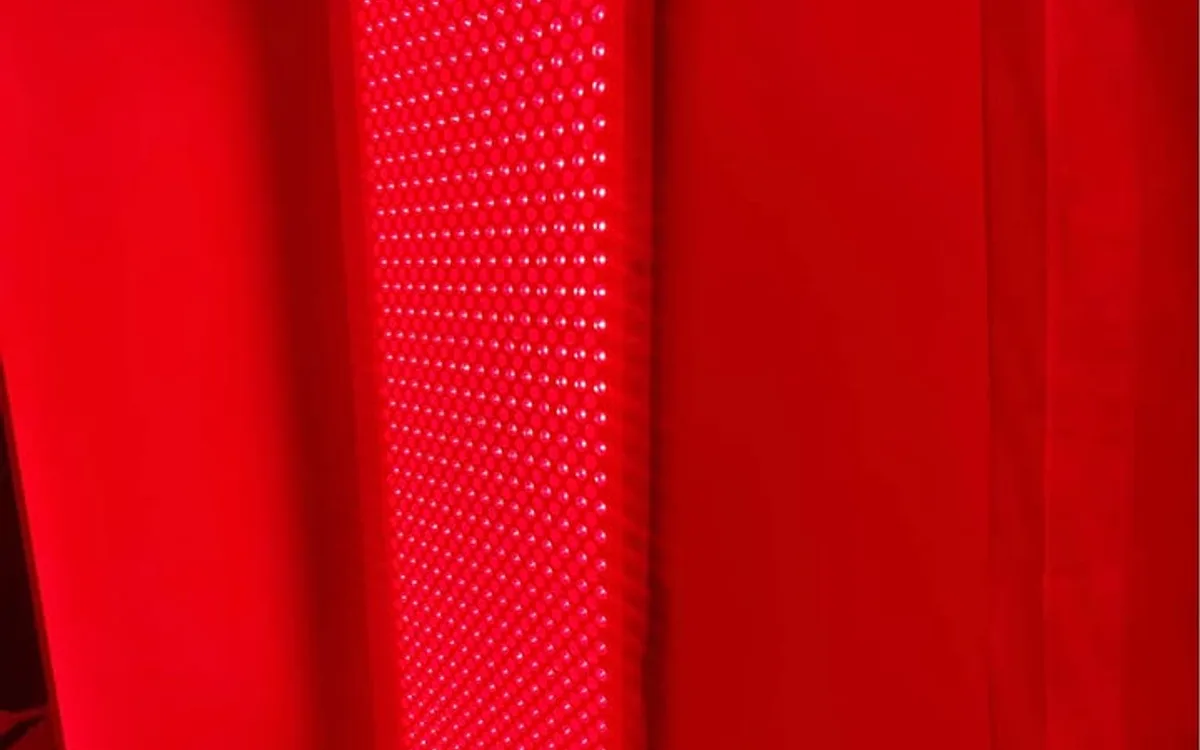
Comparison Table
| Feature | Rouge G4 | Block Blue Light |
|---|---|---|
| Wavelengths | 8 (630, 650, 660, 670, 810, 830, 850, 1060nm) | 4 (varies by model) |
| Price Range | ~$581 to $5,595 USD | ~$800 to $2,000 USD |
| Control System | App + Touchscreen + Remote | Touchscreen |
| Independent Wavelength Control | Per wavelength | Limited |
| Pulsing | 1 to 10,000 Hz (per wavelength) | Yes |
| Wireless Panel Syncing | Yes | Limited |
| Ecosystem | Red light focused | Blue-light glasses, sleep products |
| Warranty | 3 years | 2 to 3 years |
Rouge Overview: 8-Wavelength Precision
Rouge focuses on multi-wavelength precision. Their G4 series represents some of the most customizable hardware available for home or clinical recovery, centered on an 8-wavelength array.
This spectrum covers superficial red light (630 to 670nm) and deep-penetrating near-infrared (810 to 1060nm). In clinical practice, targeted wavelength delivery dictates recovery speed because different light frequencies act on specific tissue depths.
Shorter visible red wavelengths (630 to 670nm) stimulate fibroblast activity, support collagen production, and calm surface inflammation.
The near-infrared spectrum (810 to 1060nm) is where Rouge stands out. The 1060nm wavelength penetrates deep into muscle bellies, joint capsules, and connective tissue. I use this setting to manage chronic joint stiffness and speed up recovery from intense training.
Rouge also provides detailed control via mobile app. You can adjust all 8 wavelengths independently and select custom pulse rates from 1 to 10,000 Hz for specific rehabilitation protocols.
Block Blue Light Overview: The Holistic Light Approach
Block Blue Light takes a broader approach to environmental light management. In addition to manufacturing red light panels, they offer blue-blocking glasses and circadian sleep lighting.
Their flagship Mega panels generally deliver 4 therapeutic wavelengths, focusing on standard 660nm red and 850nm near-infrared bands. These frequencies have extensive clinical validation for skin health and muscle recovery.
While they do not offer Rouge's 8-wavelength array or per-channel controls, Block Blue Light panels deliver reliable power output. The onboard touchscreen is simple and accessible for beginners.
From a clinical viewpoint, Block Blue Light's wider product line is practical for clients whose recovery is hindered by artificial blue light exposure and disrupted sleep. If you prefer buying all your circadian and light therapy tools from one supplier, their product lineup makes sense.
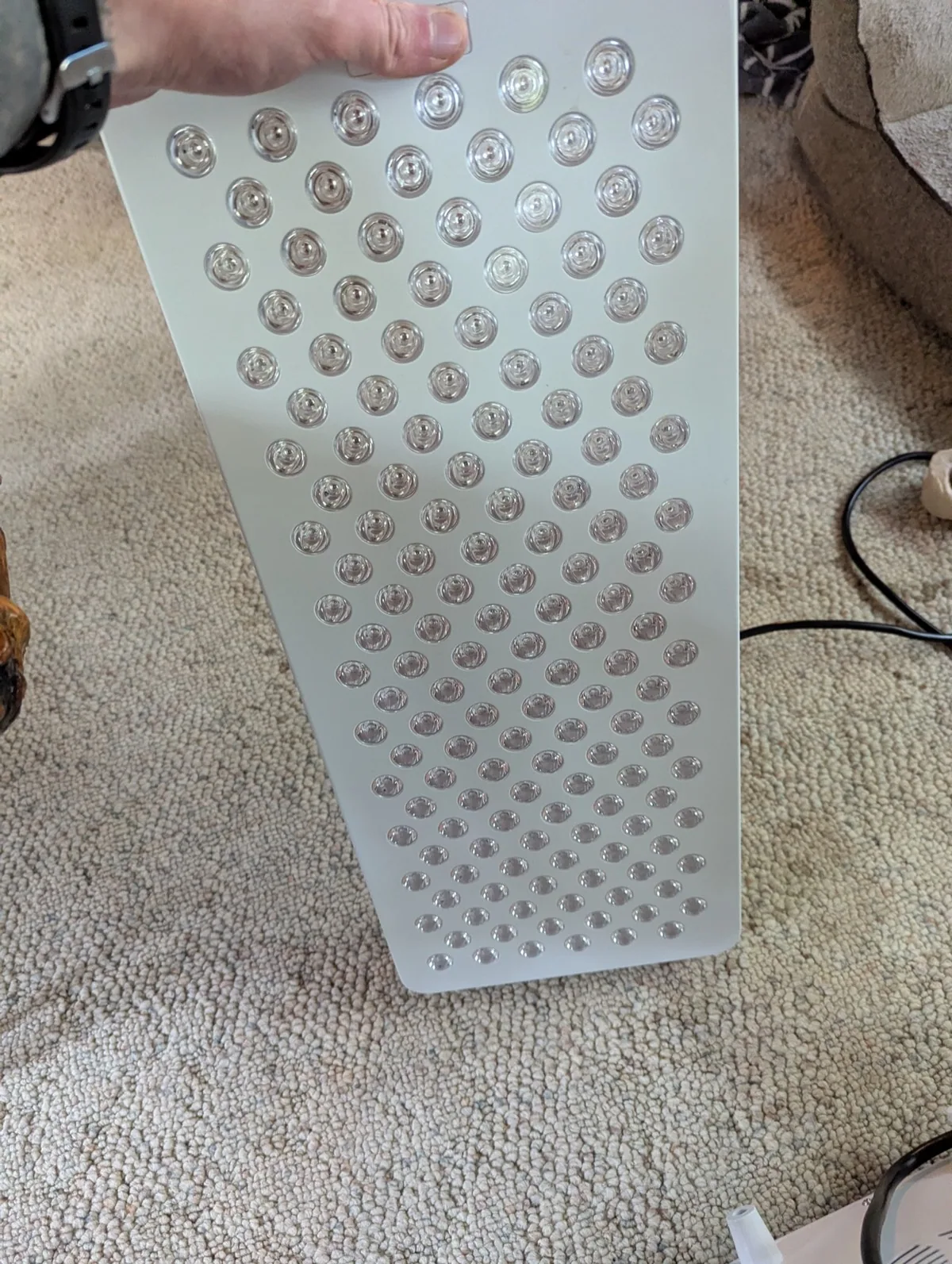
Key Differences: Rouge vs Block Blue Light
- Wavelength Selection: Rouge delivers 8 distinct wavelengths (630, 650, 660, 670, 810, 830, 850, and 1060nm) for targeted therapy. Block Blue Light typically uses 4 core wavelengths.
- Customization and Controls: Rouge allows independent tuning of each wavelength and custom pulse frequencies via its app. Block Blue Light uses simpler touchscreen controls.
- Product Breadth: Rouge specializes purely in red light panels. Block Blue Light includes blue-light blocking glasses, sleep masks, and ambient circadian bulbs.
- Modular Expansion: Rouge supports wireless multi-panel syncing without extra cables, making full-body arrays easy to configure.
- Features per Dollar: Rouge provides more customization features, independent channels, and wavelength options at comparable price points.
Which Brand Fits Your Goals?
- For Advanced Biohackers and Clinicians: Rouge. The per-wavelength control and 8 distinct frequencies allow exact dosing protocols.
- For Complete Circadian Support: Block Blue Light. If you want sleep glasses and red light panels from a single company, their line is convenient.
- For Skincare: Rouge. Four red wavelengths (630, 650, 660, and 670nm) provide thorough surface dermal coverage.
- For Deep Joint Discomfort: Rouge. The 1060nm wavelength penetrates deeper into dense joint tissue than standard 850nm panels.
- For Simple Plug-and-Play Use: Either works. Block Blue Light is straightforward to use out of the box, while Rouge includes pre-set modes that simplify operation.
Who Should Choose Rouge?
Choose Rouge if you:
- Want 8 distinct wavelengths to target different tissue depths.
- Need independent channel control and customizable pulsing frequencies.
- Plan to sync multiple panels wirelessly for full-body coverage.
- Want deep 1060nm penetration for joint and connective tissue recovery.
Who Should Choose Block Blue Light?
Choose Block Blue Light if you:
- Want an integrated light routine including blue-blocking glasses and circadian bulbs.
- Prefer simple touchscreen controls without using a phone app.
- Already own Block Blue Light sleep products and prefer sticking with one brand.
- Only need standard 660nm and 850nm wavelengths for basic recovery.
Final Recommendation
In my clinical practice, Rouge is the stronger choice for users who prioritize hardware performance, fine-tuned control, and wavelength variety. The 8-wavelength system and app-based pulse controls give clinicians and biohackers deep flexibility.
Block Blue Light remains a dependable option if you want to address circadian health and blue light exposure alongside red light therapy.
For most recovery and athletic protocols, Rouge delivers higher versatility and clinical precision.
Related Resources
- Rouge Red Light Therapy Reviews
- Rouge G4 Pro Review
- Best Red Light Therapy Panels (2026)
- Rouge vs Kala Comparison
Reviewed by: Daryl Stubbs, CAT(C), Holistic Nutritionist Award-winning Athletic Therapist with 12+ years of clinical experience integrating recovery modalities.