In my clinical practice, patients frequently ask me to compare Rouge and Kala before investing in a red light therapy panel. As a Certified Athletic Therapist and clinical researcher, I evaluate hardware directly. I spent the last six months running both the Rouge Tabletop G4 and the Kala Pro Panel through hands-on testing in my clinic.
I tracked patient rehabilitation metrics, measured irradiance levels, and tested these devices on my own athletic injuries. Both panels deliver dependable photobiomodulation, but they serve different user priorities.
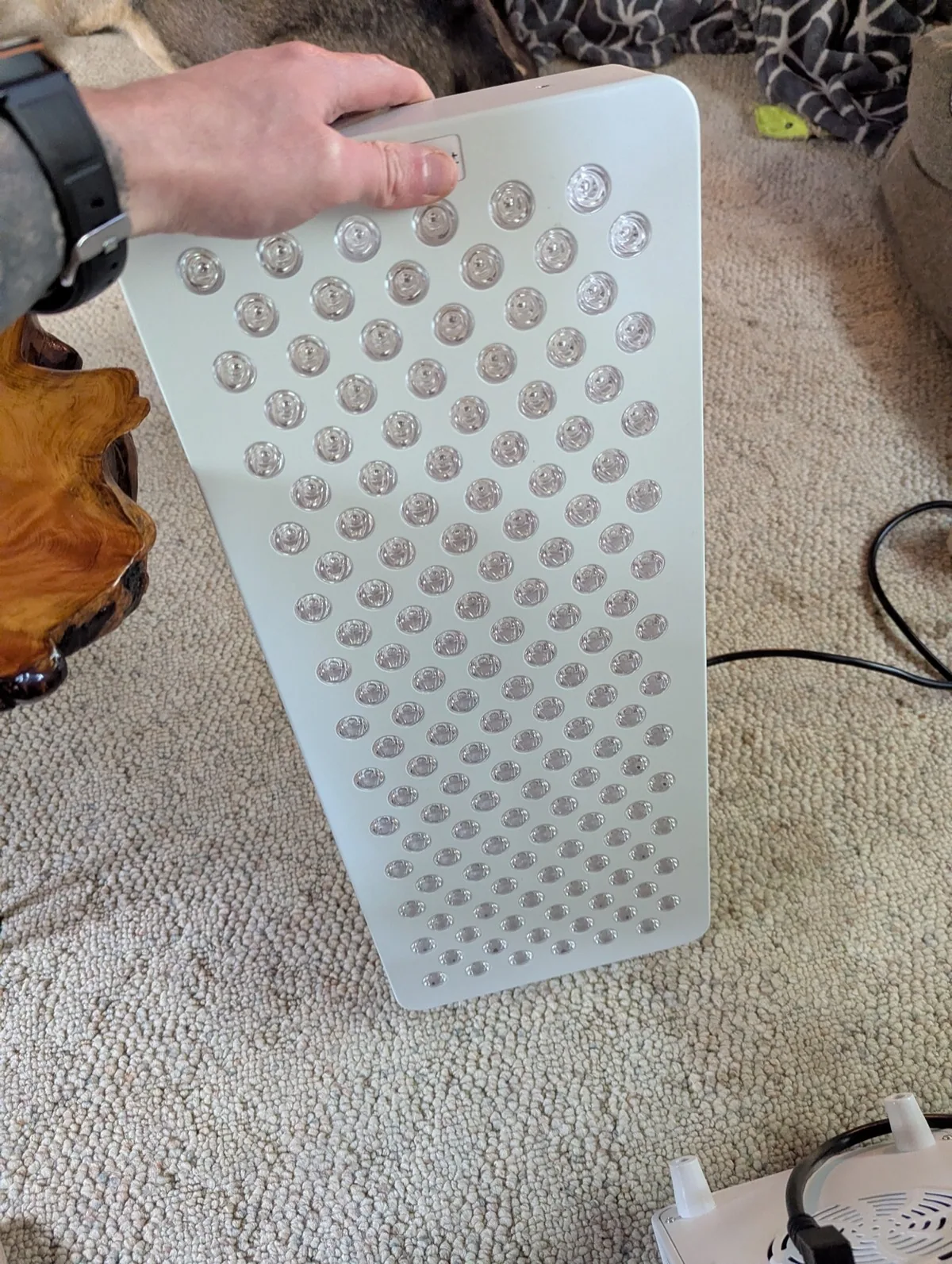
Rouge vs. Kala: Which Red Light Panel Is Better? (Clinical Test)
⚡ Core Video Takeaways & Clinical Highlights
- •8-Wavelength Spectrum (Rouge): Rouge G4 includes rare 1,060nm light for deep joint and tissue penetration.
- •Raw Power and Simplicity (Kala): Kala Pro offers proven dual-wavelength output built for straightforward home recovery.
- •Clinical Verdict: Rouge leads for broad spectrum and deep tissue targeting; Kala leads for direct value and simple controls.
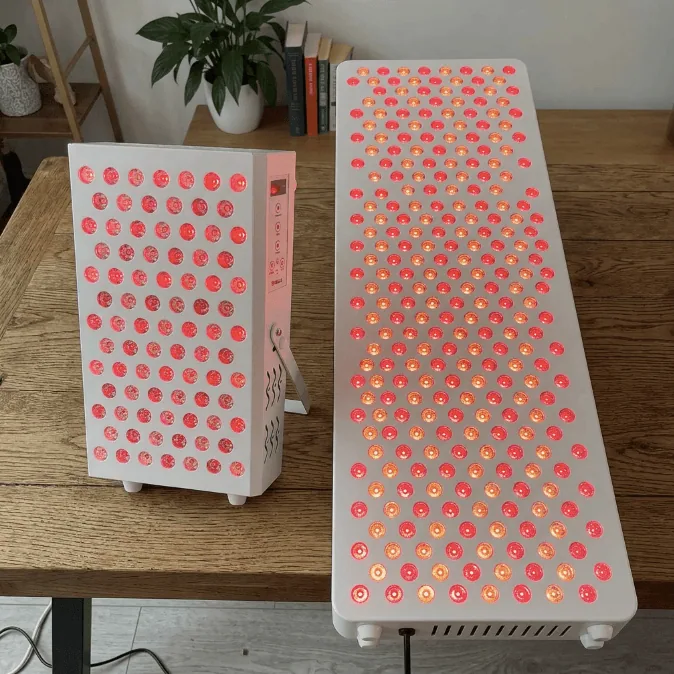
Rouge G4 vs Kala Pro: Side-by-Side Specs
When evaluating light therapy panels, core specifications determine clinical outcomes. Here is how these two models compare:
| Feature | Rouge Tabletop G4 | Kala Pro Panel |
|---|---|---|
| Wavelengths | 8 (630, 650, 660, 670, 810, 830, 850, 1060nm) | 2 (660, 850nm) |
| LEDs | 72 (5W dual chip) | 85 |
| Irradiance (6") | ~151 mW/cm² (solar meter) | 160 mW/cm² |
| Controls | Touch screen + App + Remote | Standard toggle + Pulse+ |
| Certifications | FDA, CE, Health Canada | FDA Class II, CE, RoHS |
| Warranty | 3 years + 60-day guarantee | 2 years + 30-day returns |
| Price | ~$875 CAD | Starting ~$584 CAD |
| Ships From | Canada | Canada |
| Best For | Customization, multi-condition | Budget-conscious, simplicity |
| Unlock the Best Price for Rouge | Save 15% on Kala |
Rouge Tabletop G4 Clinical Overview
The Rouge G4 is a Canadian-engineered panel that offers broad wavelength versatility. During patient rehabilitation sessions, the eight distinct wavelengths give me fine control over treatment protocols. The inclusion of the 1060nm wavelength provides a clear advantage for deep tissue penetration.
I use this wavelength to target stubborn joint inflammation and support tissue healing. Most consumer panels skip 1060nm due to manufacturing costs. Rouge includes it alongside 810nm, 830nm, and 850nm for a comprehensive near-infrared (NIR) spectrum.
The touchscreen interface and companion app allow me to isolate specific wavelengths. If a patient needs superficial skin repair, I isolate the 630nm, 650nm, 660nm, and 670nm red light spectrums. For deeper joint discomfort, I run the NIR spectrum to stimulate mitochondrial ATP production in muscle fascia.
Pulsing at specific frequencies helps prevent thermal buildup while maintaining photon delivery. It is one of the most adaptable tabletop panels I use in practice. You can read my full Rouge G4 review for a breakdown of clinical protocols.
Kala Pro Panel Clinical Overview
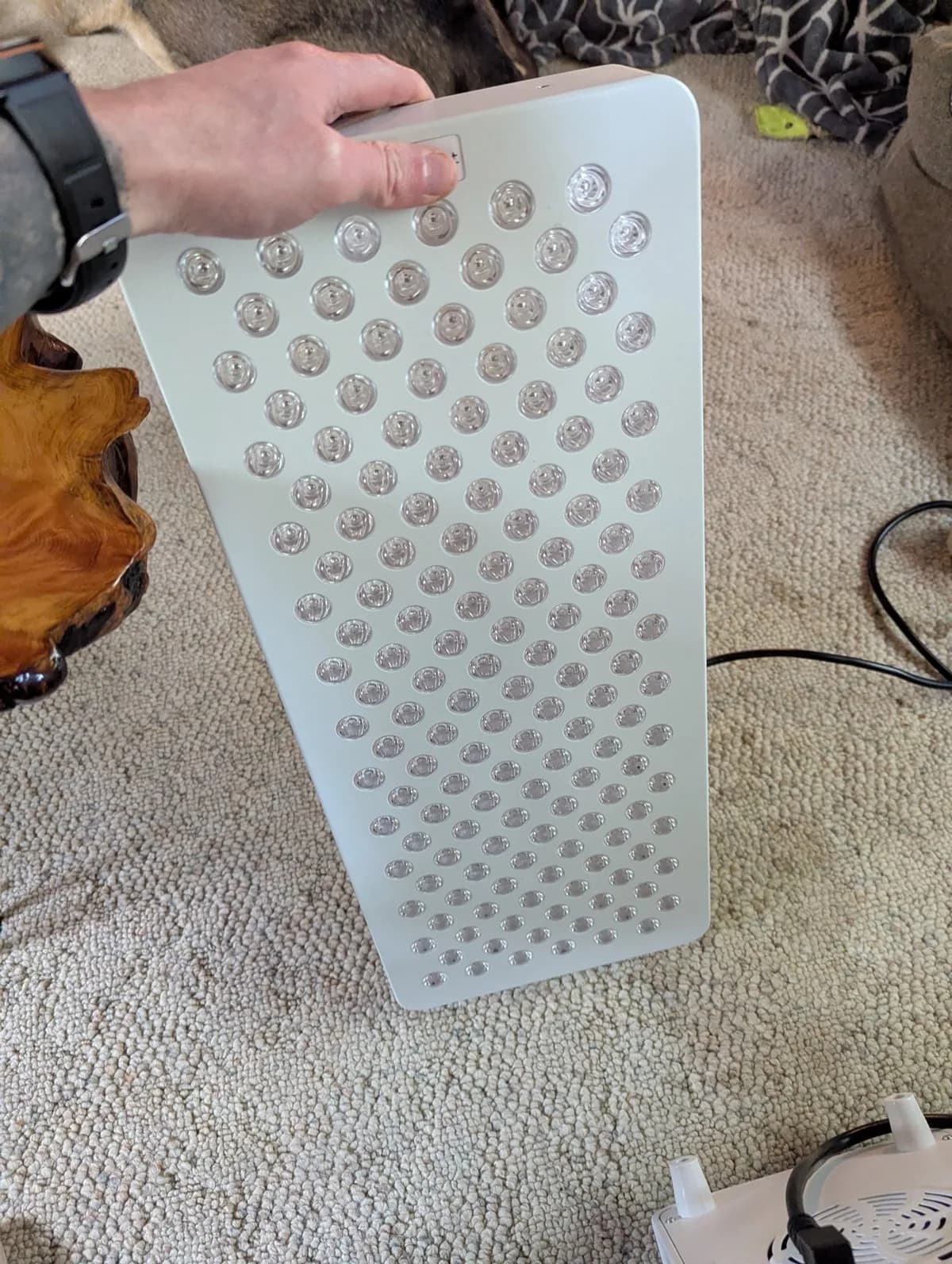
Kala built its presence in Canada by delivering high-powered, FDA-registered panels at an accessible price point. The Kala Pro Panel pushes a verified irradiance of 160 mW/cm² at six inches, relying on the two most clinically researched wavelengths: 660nm and 850nm.
While it lacks the eight-band array of the Rouge G4, the Kala Pro delivers strong, focused power. The 660nm red light supports fibroblast activity for surface skin recovery and collagen synthesis. The 850nm NIR light penetrates deep into muscle tissue to reduce oxidative stress.
Patients often prefer the Kala Pro for its simplicity. Flip the switch and the panel delivers a consistent dose of light therapy. The built-in Pulse+ mode also introduces pulsing frequencies helpful for acute recovery.
For users who want a straightforward light therapy tool without complex menus, this panel performs reliably. See my complete Kala review for performance metrics, or check my hands-on Kala review.
Key Differences in Clinical Application
Choosing between these panels comes down to how their features fit your routine:
- Wavelength Diversity: Rouge's eight wavelengths provide broad versatility. The 1060nm spectrum penetrates deeper than standard 850nm light. Kala's dual-wavelength setup handles general recovery effectively, while Rouge allows for targeted, multi-depth protocols.
- Controls and Dosing: The Rouge G4 features a digital touchscreen, app control, and a remote for dialing in specific session times and pulsing modes. Kala uses physical switches for simple, straightforward operation.
- Price to Performance: The Kala Pro Panel starts around $584 CAD (with our 15% discount link), making it a high-value entry point. The Rouge Tabletop G4 costs roughly $875 CAD, reflecting its broader spectrum, advanced digital controls, and 3-year warranty.
Which Panel Is Better For Your Goals?
I recommend panels based on patient rehabilitation needs:
- Skin Health and Anti-Aging: Both panels use 660nm for collagen stimulation. Rouge adds 630nm, 650nm, and 670nm to target multiple dermal layers. Winner: Rouge
- Deep Pain Relief: For deep joint discomfort, penetration depth matters. The Rouge G4's expanded NIR spectrum (810nm, 830nm, 1060nm) reaches deeper tissues. Winner: Rouge
- Budget-Conscious Buyers: The Kala Pro delivers strong irradiance at an accessible price point, making it practical for home wellness setups. Winner: Kala
- Canadian Buyers: Both brands ship domestically from Canada, avoiding import duties and international conversion fees. Winner: Tie
Final Clinical Verdict
After six months of daily clinical use, both panels deliver solid recovery benefits.
Choose the Rouge G4 if: You want multi-depth treatment, eight distinct wavelengths, and app-controlled dosing for complex recovery or targeted protocols. Unlock the Best Price for Rouge
Choose the Kala Pro if: You want high power and straightforward operation at a lower price point. Its dual-wavelength system handles everyday wellness and muscle recovery effectively. Save 15% on Kala
Still Deciding? Compare More Panels
- Rouge Ultimate G4 Review
- Rouge G4 Pro Review
- Rouge vs Mito Red Light
- Rouge vs PlatinumLED
- Infraredi vs Kala
To complement at-home recovery tools with hands-on treatment, our athletic therapy sessions in Colwood are available with direct billing to most insurance plans.