Medical Disclaimer: The information in this guide is based on peer-reviewed clinical research and objective device analysis. It is intended for educational purposes and should not replace professional medical advice. Always consult your healthcare provider before starting new therapeutic protocols for chronic pain.
Finding the right FDA-cleared red light therapy device for pain comes down to cutting through confusing marketing claims and verifying clinical data. As a Certified Athletic Therapist (CAT(C)) and Holistic Nutritionist, I evaluate recovery equipment through independent laboratory testing, 510(k) clearance filings, and real patient recovery in clinic.
If you need a medical-grade panel or wrap for back, knee, joint, or chronic musculoskeletal pain, this guide covers the top FDA-cleared and Health Canada approved devices, how to look up clearance numbers, and how to set your treatment dosages.
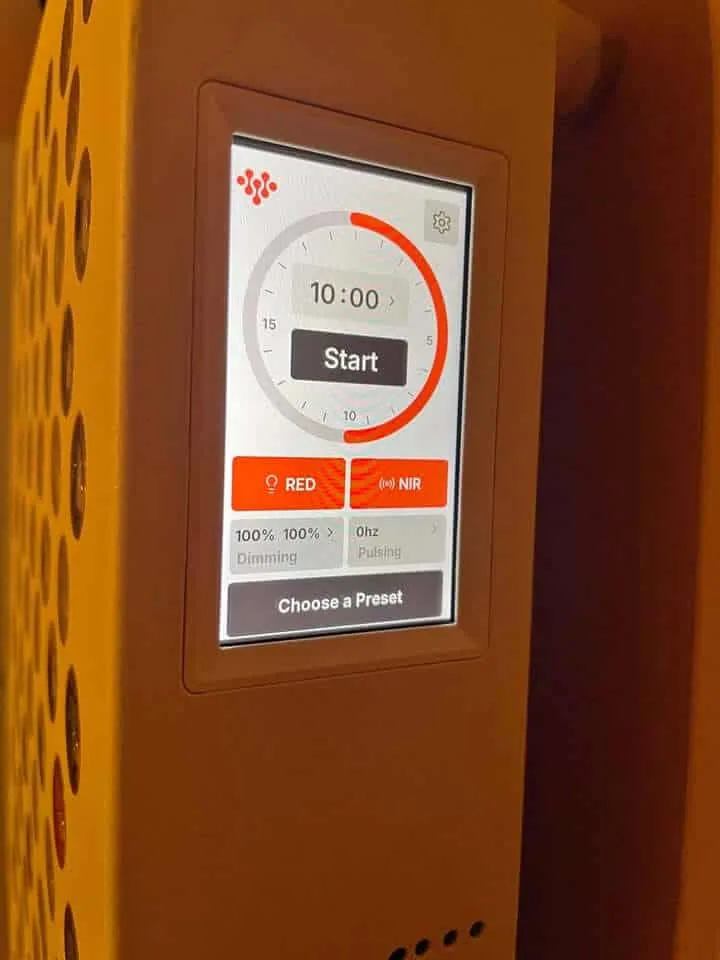
How We Evaluate Devices (Clinical Evidence Methodology)
Our clinical reviews evaluate three practical criteria:
- Regulatory 510(k) clearance: Confirmation of FDA Class II clearance under product codes ILY (LED lamp) or NHN (powered light therapy for pain) and Health Canada medical device licensing.
- Third-party optical testing: Independent laboratory reports (such as LightLab or Intertek) measuring actual optical irradiance (mW/cm²) and peak wavelength accuracy (630-670nm Red and 810-1060nm NIR).
- EMF safety and build quality: Zero to negligible electromagnetic field (EMF) emissions at normal treatment distances (6 to 12 inches) alongside solid metal housing and reliable heat dissipation.
Quick Summary: Top FDA-Cleared Pain Relief Devices
- Best overall and tech leader: Rouge Tabletop G4, featuring an 8-wavelength spectrum, customizable pulsing, and smart app control.
- Best for Canadian buyers: Infraredi Flex Series, offering medical-grade construction, high peak irradiance, a 3-year warranty, and domestic Canadian shipping.
- Best power-for-price (USA): MitoPRO Series, combining a quad-wavelength spectrum with high power density at an accessible price.
- Best budget full-body panel: Kala Pro Panel, providing an affordable, 510(k) cleared panel with strong dual-chip LED output.
- Strongest irradiance and spectral range: PlatinumLED BioMax 900, delivering 7 targeted wavelengths for deep joint and systemic pain.
FDA Cleared vs. FDA Approved vs. FDA Registered: What Buyers Must Know
Before purchasing a medical-grade device, understand how the FDA classifies these products:
1. FDA Cleared (510(k) Premarket Notification)
This is the standard benchmark for light therapy devices. The FDA issues 510(k) clearance when a manufacturer demonstrates that its Class II device is substantially equivalent in safety and performance to an existing legally marketed device under product codes ILY (LED lamp) or NHN (light therapy for pain). Cleared indications usually specify temporary relief of minor muscle and joint pain, arthritis stiffness, and muscle relaxation.
2. FDA Approved
This designation is reserved for high-risk Class III medical devices such as pacemakers and heart valves. Consumer red light panels do not receive Class III approval. If a brand claims to be "FDA Approved" without providing a 510(k) clearance number, treat that claim with caution.
3. FDA Registered
"FDA Registered" means only that the manufacturer paid an administrative fee to register their facility in an FDA database. It does not indicate that the device underwent testing, evaluation, or clearance for therapeutic use.
Step-by-Step: How to Verify Any Device in the Official FDA Database
You can verify any manufacturer's claims directly through public records:
- Visit the official FDA CDRH 510(k) Premarket Notification Database.
- Enter the Applicant Name (such as Mito Red Light, Rouge, Infraredi, or Kala) or the 510(k) Number provided by the company.
- Filter by Product Code: Enter ILY or NHN.
- Confirm that the decision status shows "Cleared" and that the listed indications for use cover pain management or arthritis relief.
The Science of Photobiomodulation for Pain Relief
Red and near-infrared light works by stimulating photochemical reactions inside human cells:
- Cytochrome c oxidase activation: Photons in the 630-670nm and 810-1060nm range are absorbed by cytochrome c oxidase within the mitochondrial respiratory chain.
- Increased ATP output: Cells generate more adenosine triphosphate, giving damaged tissue the energy needed to repair itself.
- Nitric oxide release: Photostimulation encourages vasodilation, increasing blood flow and oxygen delivery to stiff joints and strained muscles.
- Lower inflammatory markers: Light therapy downregulates pro-inflammatory cytokines like IL-1β and TNF-α, reducing chronic pain signals.
Scientific Citations & Clinical Evidence
Multiple peer-reviewed clinical studies support photobiomodulation for musculoskeletal pain:
- Low Back Pain: A randomized controlled trial in Pain Research and Management (PMC2539009) demonstrated significant reductions in chronic low back pain using near-infrared light (840nm) compared to placebo.
- Osteoarthritis & Joint Stiffness: A systematic review in Photomedicine and Laser Surgery (PubMed 19575532) concluded that photobiomodulation significantly reduces joint pain and morning stiffness in knee osteoarthritis.
- Tendinitis & Sports Injuries: Research in the Journal of Athletic Training (PMC2582549) highlights accelerated Achilles and rotator cuff tendon healing following targeted red and near-infrared irradiation.
Clinical Pain Treatment Dosage Protocols
Achieving good clinical results depends on delivering the right energy dose, measured in Joules per square centimeter (J/cm²):
| Condition / Target Area | Target Wavelengths | Distance | Session Duration | Weekly Frequency | Target Dosage |
|---|---|---|---|---|---|
| Lower Back / Lumbar Spine | 810nm / 830nm / 850nm NIR | 6 inches | 12-15 mins | 4-5 days/week | 10-15 J/cm² |
| Knee Osteoarthritis & Joint Stiffness | 660nm Red & 850nm NIR | 4-6 inches (or Wrap) | 12-15 mins | 5 days/week | 8-12 J/cm² |
| Rotator Cuff & Shoulder Tendinitis | 830nm & 850nm NIR | 6 inches | 12-15 mins | 4 days/week | 10-14 J/cm² |
| Peripheral Neuropathy (Feet/Ankles) | 660nm Red & 880nm NIR | Direct Wrap / 4" Panel | 10-12 mins | 5-7 days/week | 6-10 J/cm² |
Calculate Your Personal Light Therapy Dosage
Need exact session timing for your panel's irradiance? Use our interactive Red Light Dose Calculator to calculate treatment time based on distance and target Joules.
Detailed Reviews: The 5 Best FDA-Cleared Devices for Pain
1. Rouge Tabletop G4: Best Overall & Technology Leader
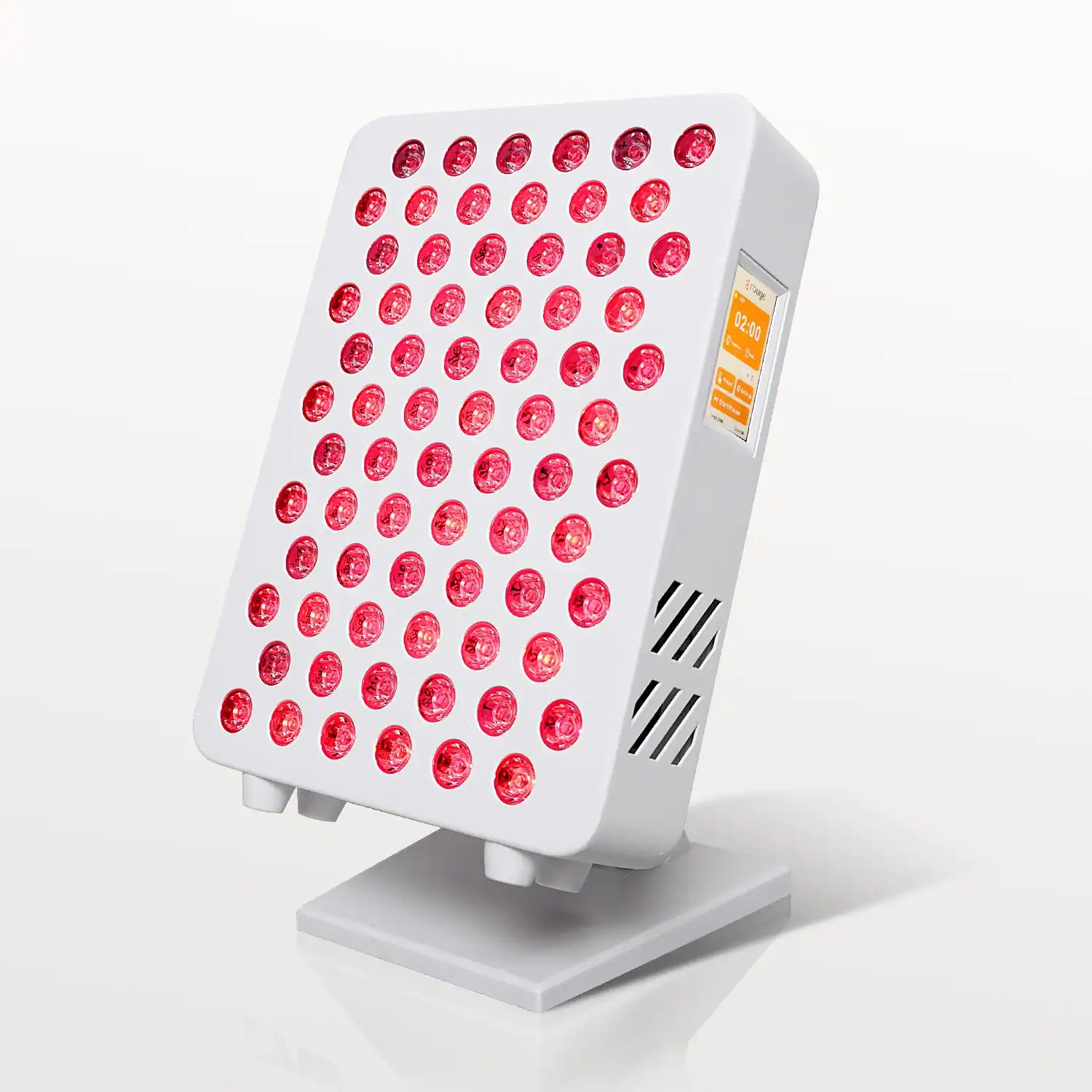
The Rouge Tabletop G4 is the most versatile panel currently available. It uses an 8-wavelength spectrum (four red at 630, 650, 660, and 670nm; four NIR at 810, 830, 850, and 1060nm), targeting multiple cellular chromophores at once.
In clinical practice, the 1060nm wavelength adds deeper tissue penetration for lumbar spine discomfort and hip joint pain. Read my full Rouge Tabletop G4 Review.
- Key Specifications:
- Wavelengths: 8 (630, 650, 660, 670, 810, 830, 850, 1060nm)
- Irradiance: >164 mW/cm² at 6 inches
- Certifications: FDA Cleared Class II Medical Device, Health Canada Approved
- Pros:
- Broad 8-wavelength spectral coverage
- App control with dimming and frequency pulsing settings
- Low EMF output at treatment distance
- Cons:
- Premium price point
2. Infraredi Flex Series: Best for Canadian Buyers
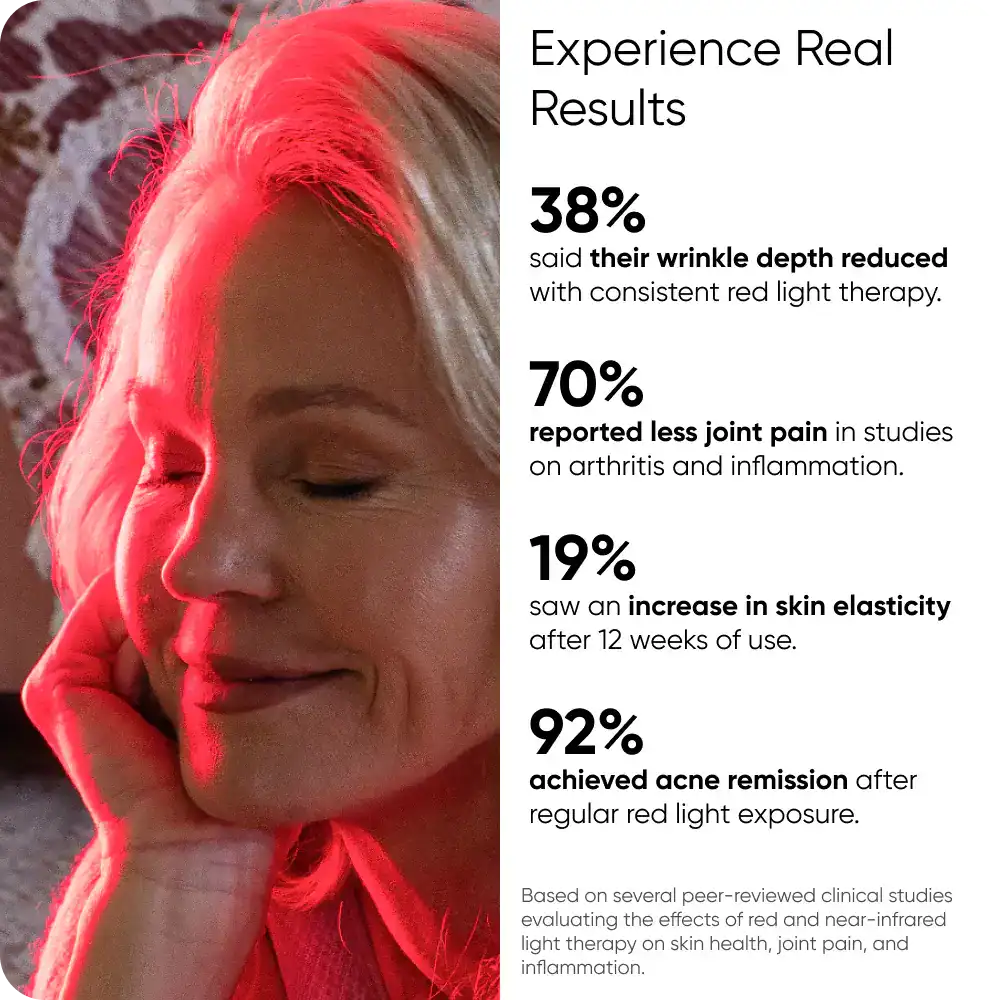
For Canadian buyers wanting medical-grade output without international shipping or customs duties, the Infraredi Flex series is an excellent choice. Infraredi panels hold 510(k) clearance and include a 3-year warranty with a 60-day home trial.
Its high power density delivers therapeutic doses in straightforward 10-to-15-minute sessions. See our full Infraredi Reviews and Infraredi vs Kala Comparison.
- Key Specifications:
- Wavelengths: 630nm, 660nm, 830nm, 850nm
- Irradiance: Up to 250 mW/cm²
- Certifications: FDA Cleared, Health Canada Approved
- Pros:
- 3-year warranty with 60-day home trial
- Strong output for shorter session times
- Dispatched from a Canadian warehouse with no import fees
- Cons:
- Fewer customization options than the Rouge G4
3. MitoPRO Series: Best Power-for-Price Value (USA)
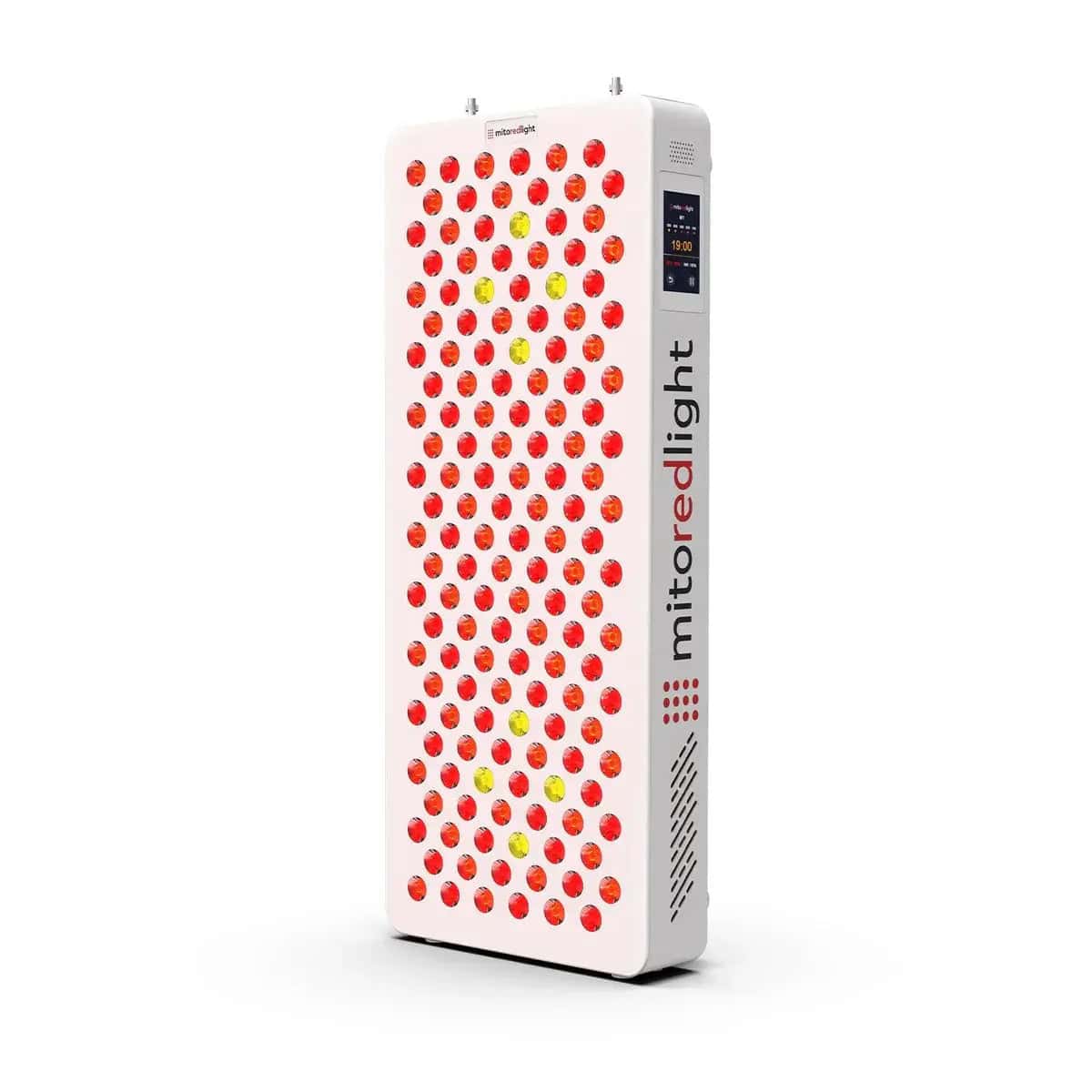
The MitoPRO Series from Mito Red Light is one of the most reliable FDA-cleared lines in the United States. It features a balanced quad-wavelength spectrum (630, 660, 830, and 850nm) and dual switches for independent Red and NIR control.
The panel maintains consistent irradiance across the entire beam surface, making it well suited for lower back, hamstring, and quad sessions. Read the full Mito Red Light Therapy Review and Mito Pro X 750 Review.
- Key Specifications:
- Wavelengths: 630nm, 660nm, 830nm, 850nm
- Irradiance: >125 mW/cm² at 6 inches
- Certifications: FDA Cleared Class II Medical Device
- Pros:
- High power output relative to its price
- Durable steel construction with quiet cooling fans
- Integrated digital timer
- Cons:
- Does not include Bluetooth app control
4. Kala Pro Panel: Best Budget Full-Body Panel
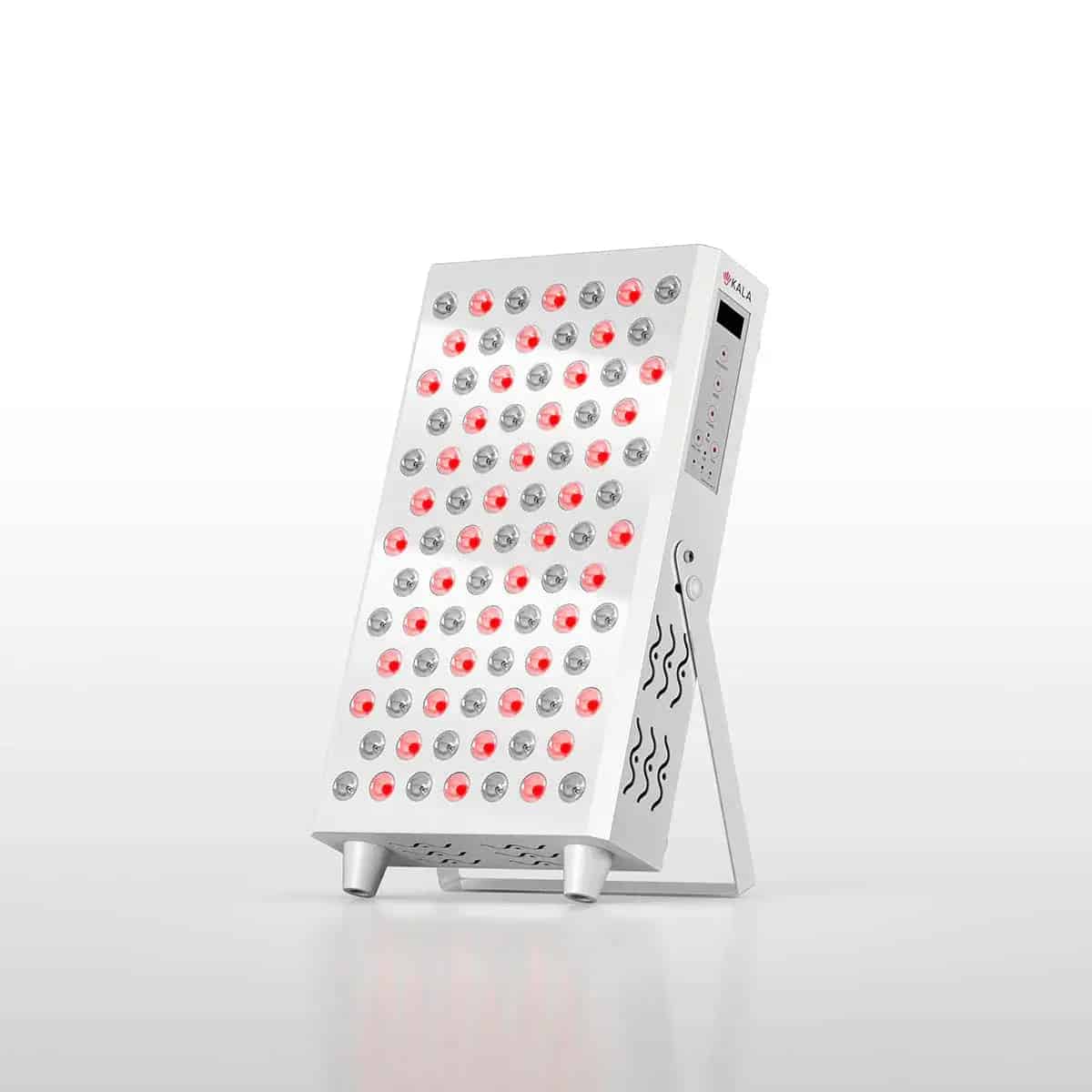
The Kala Pro Panel suits anyone looking for a full-body red light device for pain management on a budget. Cleared by both the FDA and Health Canada, it uses dual-chip LEDs emitting 660nm red and 850nm near-infrared light.
It delivers reliable coverage for spinal stiffness, knee osteoarthritis, and shoulder discomfort. Learn more in our Kala Red Light Therapy Review.
- Key Specifications:
- Wavelengths: 660nm Red & 850nm Near-Infrared
- Irradiance: >100 mW/cm² at 6 inches
- Certifications: FDA Cleared, Health Canada Approved
- Pros:
- Accessible price for a full panel
- Solid metal construction with low EMF levels
- Simple, dependable controls
- Cons:
- Limited to 2 wavelengths
5. PlatinumLED BioMax Series: Highest Irradiance & Spectral Range
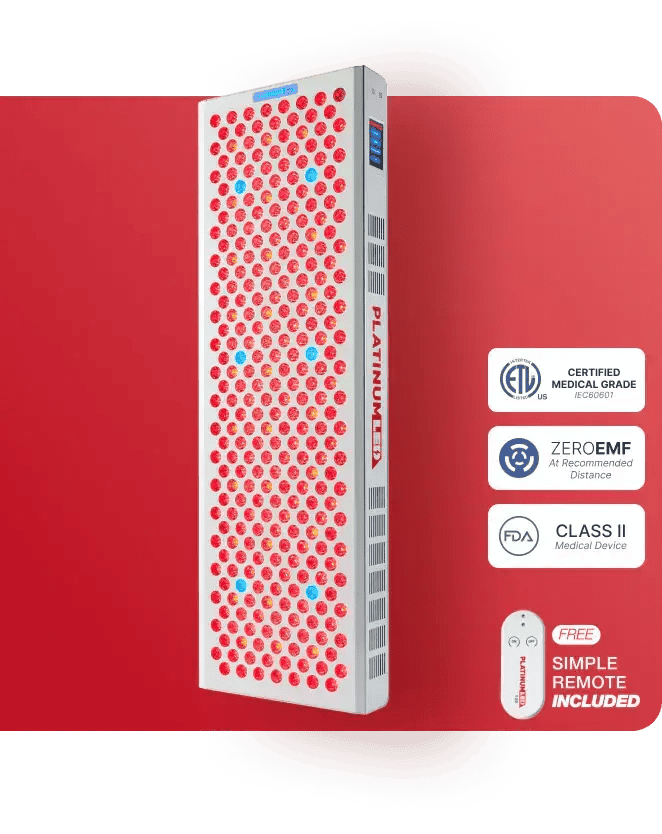
For users wanting maximum power density and modular linking, the PlatinumLED BioMax Series is a top clinical option. With 7 targeted wavelengths (480, 630, 660, 810, 830, 850, and 1060nm), it is built for deep joint arthritis, systemic pain conditions, and post-operative recovery. Read the full PlatinumLED Therapy Lights Review.
- Key Specifications:
- Wavelengths: 7 (480, 630, 660, 810, 830, 850, 1060nm)
- Irradiance: >165 mW/cm² at 6 inches
- Certifications: FDA Cleared Class II Medical Device
- Pros:
- High measured irradiance across large areas
- Multi-spectrum wavelength design
- Modular brackets for multi-panel arrays
- Cons:
- Higher total cost
Head-to-Head Device Comparison
| Device | Best For | Wavelengths | FDA Status | Irradiance (at 6") | Price Range |
|---|---|---|---|---|---|
| Rouge Tabletop G4 | Advanced Tech & Versatility | 8 Wavelengths (630-1060nm) | FDA Cleared & Health Canada | >164 mW/cm² | ~$744 CAD |
| Infraredi Flex Series | Canadian Buyers & Warranty | 4 Wavelengths (630-850nm) | FDA Cleared & Health Canada | Up to 250 mW/cm² | ~$949 CAD |
| MitoPRO Series | Value & Power (USA) | 4 Wavelengths (630-850nm) | FDA Cleared | >125 mW/cm² | ~$760 USD |
| Kala Pro Panel | Budget Full-Body Coverage | 2 Wavelengths (660 & 850nm) | FDA Cleared & Health Canada | >100 mW/cm² | ~$584 CAD |
| PlatinumLED BioMax | Maximum Irradiance | 7 Wavelengths (480-1060nm) | FDA Cleared | >165 mW/cm² | ~$1,299 USD |
Panels vs. Wraps: Which Format is Right for You?
When picking an FDA-cleared device, match the form factor to the type of pain you are treating:
- LED Therapy Panels: High irradiance (100-165+ mW/cm²) over wide treatment areas. Ideal for the spine, back, hips, and systemic recovery.
- Targeted Flexible Wraps: Moderate irradiance (30-60 mW/cm²) in direct contact with skin. Ideal for portable use on knees, elbows, ankles, and wrists.
Targeted Wraps for Joint Relief
- Infraredi Joint Wrap: Wraps directly around knees, elbows, or shoulders, delivering 660nm and 880nm light into arthritic joints and inflamed tendons.
- Infraredi Body Wrap: A flexible belt built for lower back and hip discomfort, combining light and gentle heat for use while sitting or traveling.
For full comparisons on alternative formats, see our guide on Red Light Therapy Beds vs Panels.
Frequently Asked Questions
Are red light therapy devices FDA approved or FDA cleared?
Most medical-grade red light therapy devices are FDA-cleared as Class II medical devices through the 510(k) premarket notification process. True FDA "approval" is reserved for high-risk Class III devices. Be cautious of brands claiming "FDA approval" without a 510(k) clearance number.
Does red light therapy really work for chronic back and joint pain?
Yes. Near-infrared light (810nm to 850nm) penetrates deep into soft tissues, fascia, and joint capsules. It activates cytochrome c oxidase in cellular mitochondria, increasing ATP cellular energy, reducing inflammatory cytokines, and relieving pain.
What is the difference between FDA-cleared and FDA-registered?
FDA registration simply means a manufacturer registered their facility with the FDA database. It does not mean the FDA has evaluated or cleared the specific device for therapeutic efficacy. Always verify that a device holds actual 510(k) medical clearance.
Are red light therapy devices safe for home use?
Yes, FDA-cleared red light therapy devices are non-invasive, produce low EMF output, and emit zero harmful UVA/UVB radiation. Always follow manufacturer guidelines for eye protection and distance.
Which format is better for pain relief: panels or targeted wraps?
Full-body LED panels deliver higher irradiance (100-165+ mW/cm²) over larger treatment areas like the spinal column, hips, and shoulders. Flexible targeted wraps provide portable, direct-skin contact ideal for localized knee, elbow, or wrist joint pain.
Final Clinical Verdict
An FDA-cleared red light therapy device provides a safe, drug-free way to manage acute and chronic pain at home:
- Pick the Rouge G4 for an 8-wavelength spectrum with app controls.
- Pick the Infraredi Flex if you are in Canada and want a medical-grade device with a 3-year warranty.
- Pick the MitoPRO for strong output and solid value in the US.
- Pick the Kala Pro for an affordable full-body panel.
For more research and device reviews, explore our main Blog or start with our Red Light Therapy Beginner's Guide.