If you are searching for a practical red light therapy beginners guide, you are in the right place. As a Certified Athletic Therapist (CAT(C)), I evaluate photobiomodulation to support tissue recovery and manage chronic inflammation based on peer-reviewed science.
Red light therapy uses specific wavelengths of red and near-infrared light to influence cellular energy production. When applied correctly, it is one of the most effective, well-studied interventions you can add to your rehabilitation or daily wellness routine.
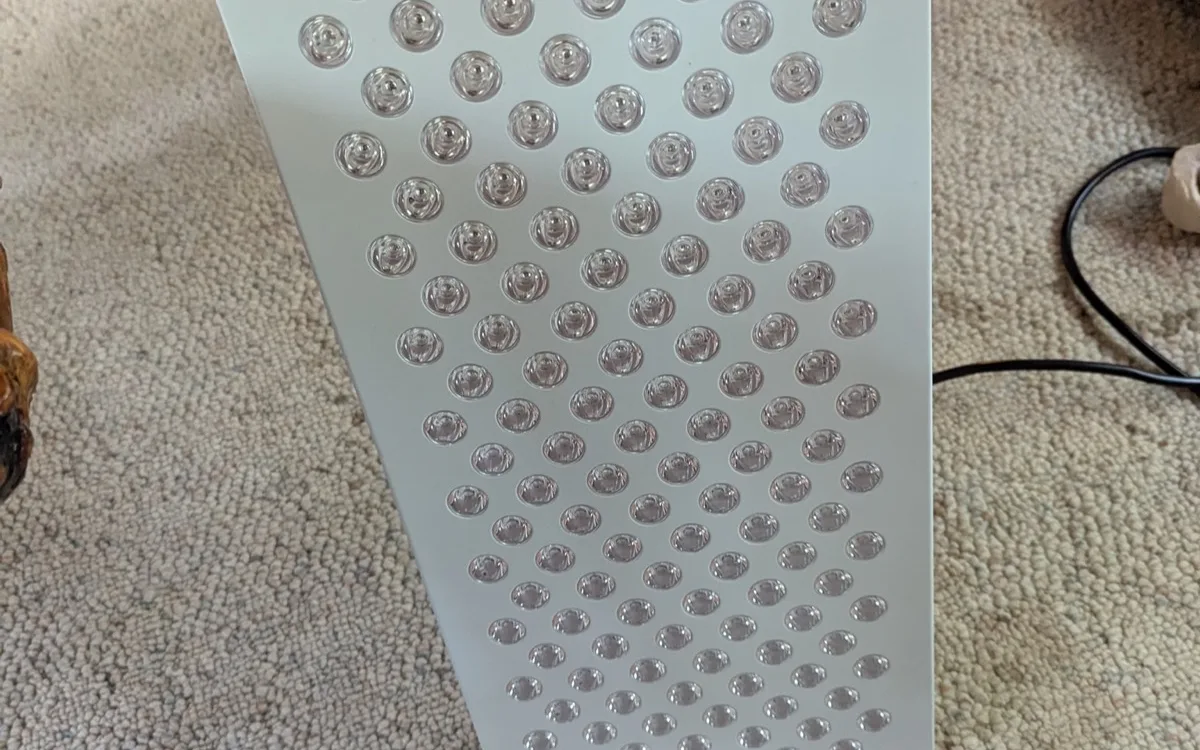
People often ask how shining light on skin heals tissue. I wrote this guide to cut through marketing noise and explain how to evaluate devices, dose treatments, and understand biological mechanisms.
4 Types of Pain Red Light Therapy Fixes & How Light Heals Muscle Faster
⚡ Core Video Takeaways & Clinical Highlights
- •Mitochondrial ATP Fuel: Near-infrared light penetrates deep into muscle tissue to stimulate cytochrome c oxidase and boost ATP energy.
- •4 Pain Conditions Fixed: Osteoarthritis, neuropathy, sciatica, and chronic tendonitis respond to targeted photobiomodulation.
- •Cellular Tissue Repair: Repairs micro-tears in half the time by stimulating local vasodilation and reducing oxidative stress.
How light therapy works at the cellular level
Red and near-infrared light penetrate your skin and are absorbed by your mitochondria. Specifically, light photons interact with an enzyme called cytochrome c oxidase.
This interaction nudges your cells to produce more Adenosine Triphosphate (ATP), the primary energy currency of your body. When your cells have more energy, they repair damage faster and function more efficiently.
Beyond ATP production, this therapy modulates local inflammation and increases blood flow to the targeted area. I see this firsthand when treating acute muscle strains. The localized vasodilation helps flush metabolic waste from injured tissue.
It also triggers a mild, temporary oxidative stress response. This hormetic stress prompts your body to build up antioxidant defenses, leading to more resilient cells over time.
What the clinical research shows
I do not recommend any modality to clients unless it has clear clinical backing. Photobiomodulation has thousands of peer-reviewed studies supporting its efficacy.
Tissue Recovery and Joint Pain Studies on muscle soreness and joint pain consistently show meaningful reductions when sessions are timed around physical training. In clinical practice, near-infrared light (usually 850 nm) is applied to deep tissue targets like rotator cuff tendinopathy.
The near-infrared wavelengths penetrate deeper than red light, reaching muscles, tendons, and joint capsules to support recovery.
Skin Health and Collagen Production Multiple controlled trials show improvements in collagen density, fine lines, and overall skin texture. Red light (typically 630 to 660 nm) is absorbed by the superficial layers of the skin.
It stimulates fibroblasts, which are the cells responsible for producing collagen and elastin. I often have patients use targeted red light for post-surgical scar tissue management.
Mood, Sleep, and Circadian Rhythm While the body of evidence here is smaller compared to tissue recovery, morning exposure to bright red light helps regulate circadian rhythms. Red light has a low color temperature, meaning it does not disrupt melatonin production the way blue light from screens does.
Using a panel first thing in the morning signals to your brain that the day has started, supporting better sleep quality later that night.
How I use it
Clinical outcomes depend on proper dosing. More is not always better with photobiomodulation.
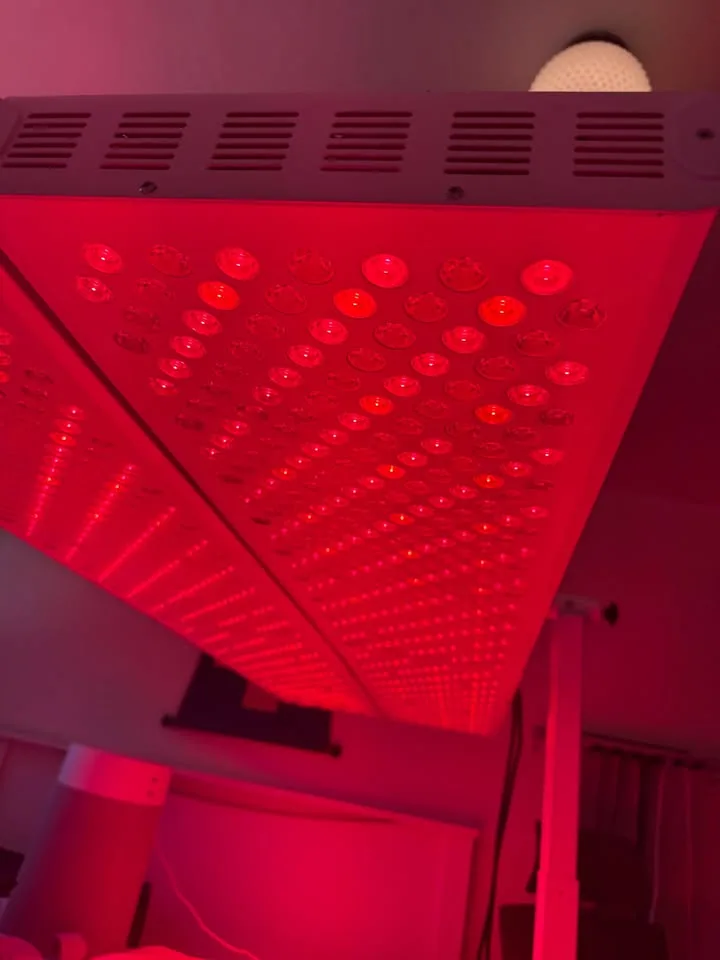
I spend 10 minutes in front of my panel, targeting my face and upper body, first thing in the morning, four to five times per week.
I stand six to twelve inches away from the device. This distance ensures a sufficient dose of irradiance while maintaining balanced light spread.
I avoid stacking light therapy with caffeine, and I keep session times consistent. The biphasic dose response dictates that excessive light exposure can diminish results. Short, consistent sessions beat long, sporadic ones.
To find your specific dosing protocol, use my interactive Red Light Dose Calculator to determine treatment distance and session timing based on your panel's output.
What to look for in a device
When evaluating this device category for clinical or home use, look for four essential specifications:
1. Clinically Proven Wavelengths Your device must output wavelengths in the 630 to 680 nm (red) and 800 to 850 nm (near-infrared) ranges. These are the specific bands proven to interact with cytochrome c oxidase. Devices outside these ranges act primarily as heat lamps.
2. Verified Irradiance (mW/cm²) Irradiance measures the power of the light hitting your skin. Look for a device that delivers at least 50 to 100 mW/cm² at a distance of six inches. Manufacturers should disclose this metric with independent laboratory testing.
3. Low EMF Emissions Electromagnetic fields (EMF) are a byproduct of electronic devices. Because you stand close to a light panel, select a device with low EMF ratings at the treatment distance. High-quality panels shield internal components to keep EMF near zero at six inches.
4. Flicker-Free LEDs Cheap LEDs flicker at rates invisible to the naked eye, which can cause eye strain or headaches. You can test this by pointing your phone camera at the panel in slow-motion video mode. If the screen shows banding or strobing, the LEDs flicker. I recommend only flicker-free panels.
Targeting specific conditions
Managing Delayed Onset Muscle Soreness (DOMS) For athletes dealing with DOMS, timing matters. I advise patients to use near-infrared light after intense training sessions.
The light helps clear metabolic waste and calms inflammatory markers associated with muscle micro-tears. A 10-minute session on the affected muscle group significantly reduces peak soreness at 48 hours.
Accelerating Wound Healing When treating superficial abrasions or healing incisions, pure red light works best. The 660 nm wavelength is suited for this application.
It supports the formation of new blood vessels and speeds up epithelialization. Keep the device roughly 12 inches away to cover a larger surface area without overheating sensitive skin.
Joint Arthritis and Inflammation Osteoarthritis patients often struggle with chronic morning stiffness. I recommend a 15-minute session using red and near-infrared light directly on the affected joint before starting the day.
Near-infrared light reaches the joint capsule, reducing synovial inflammation and improving range of motion.
My current setup
Finding the right hardware is the final step in your protocol. I have tested dozens of panels in my clinic over the years.
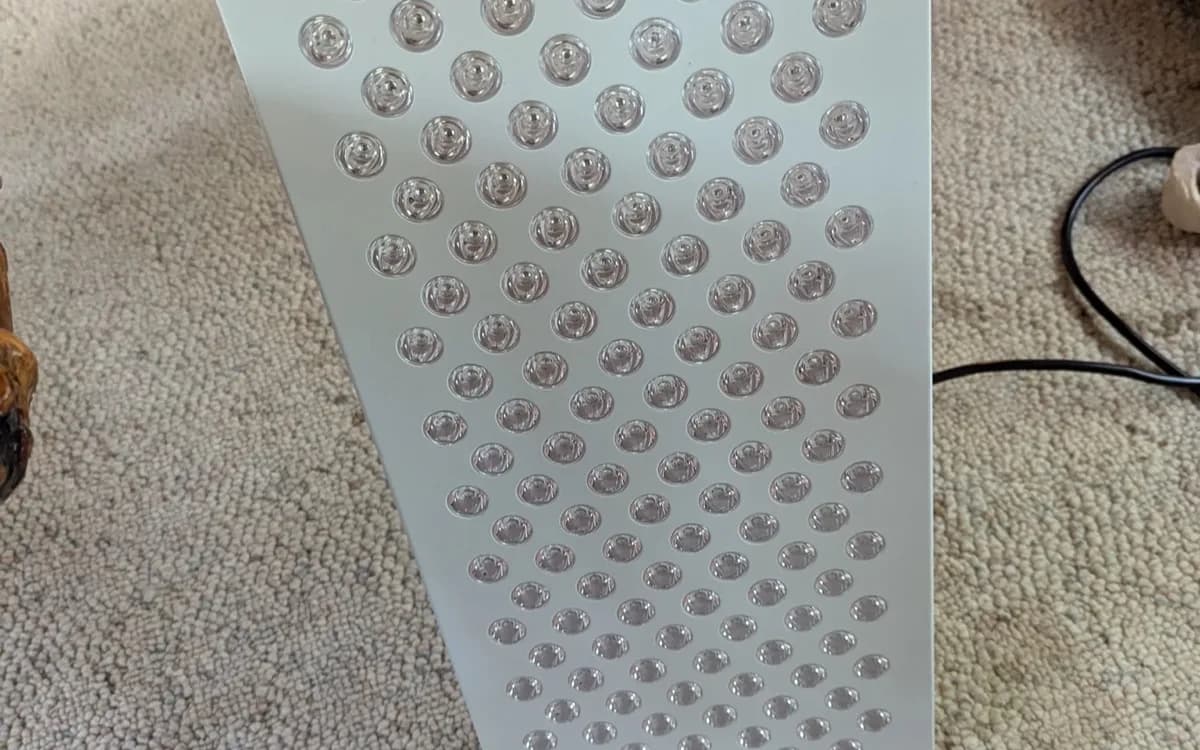
I prioritize panels that offer modular setups, allowing units to be linked together over time. A full-body setup is ideal for systemic recovery, but a targeted half-body panel is usually the practical starting point for beginners.
See the Products I Use page for the exact panel I use daily and the clinical reasons behind my choice.
Related Clinical Resources
- Read my review of the best red light therapy panels for whole-body setups.
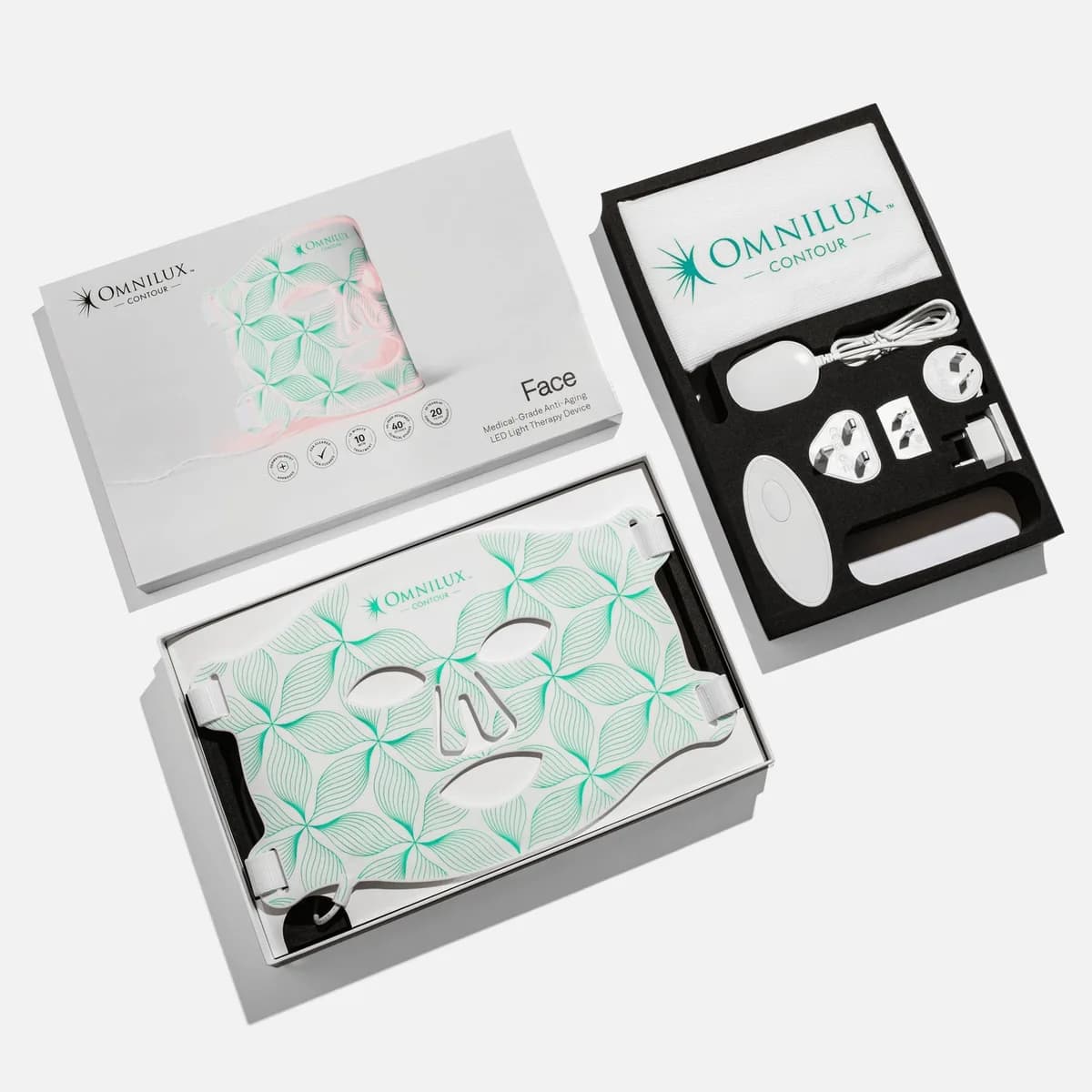
- Check out my comparison on the Rouge Elite Mask vs Omnilux.