In my clinical practice, patients frequently ask whether they should choose a red light therapy bed or a panel setup for home rehabilitation. As a Certified Athletic Therapist (CAT(C)) and clinical researcher, I evaluate both options based on patient outcomes and device economics. A quality panel setup provides 95% of the therapeutic benefits of a bed at a fraction of the cost.
For high-volume commercial practices prioritizing client turnaround, a bed remains a justifiable investment. I use red light therapy daily with patients managing back pain, arthritis, and chronic inflammation, and have extensive clinical experience with both systems.
Red Light Therapy at Home vs Spa: Which One Actually Works for Your Budget?
⚡ Core Video Takeaways & Clinical Highlights
- •Home Panels: High power-density panels deliver 95% of therapeutic benefit at a fraction of full-body bed cost.
- •Commercial Spa Beds: 360-degree simultaneous exposure maximizes client throughput in high-volume clinics.
- •Clinical Verdict: Panels win for 95% of home biohackers; beds win for commercial spa operations.
Both beds and panels use identical photobiomodulation science. They trigger the same cellular mechanisms and deliver the same biological benefits. The practical difference lies in the delivery method, equipment footprint, and purchase price.
Core differences: form factor and function
Here is how the hardware compares:
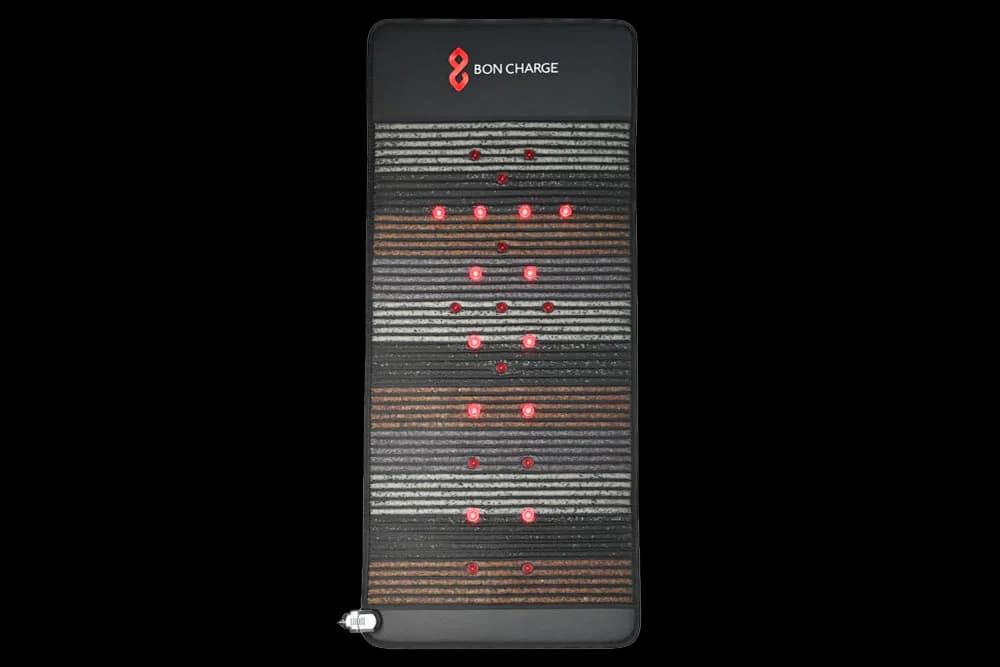
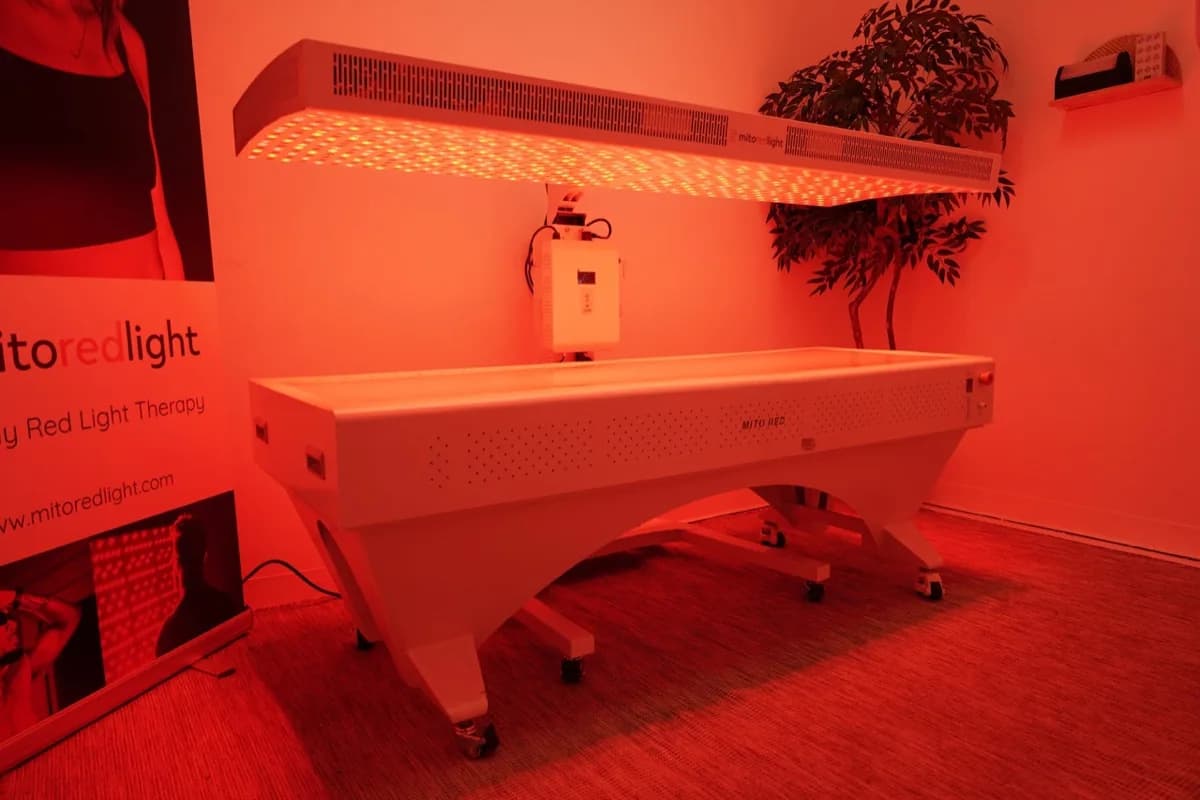
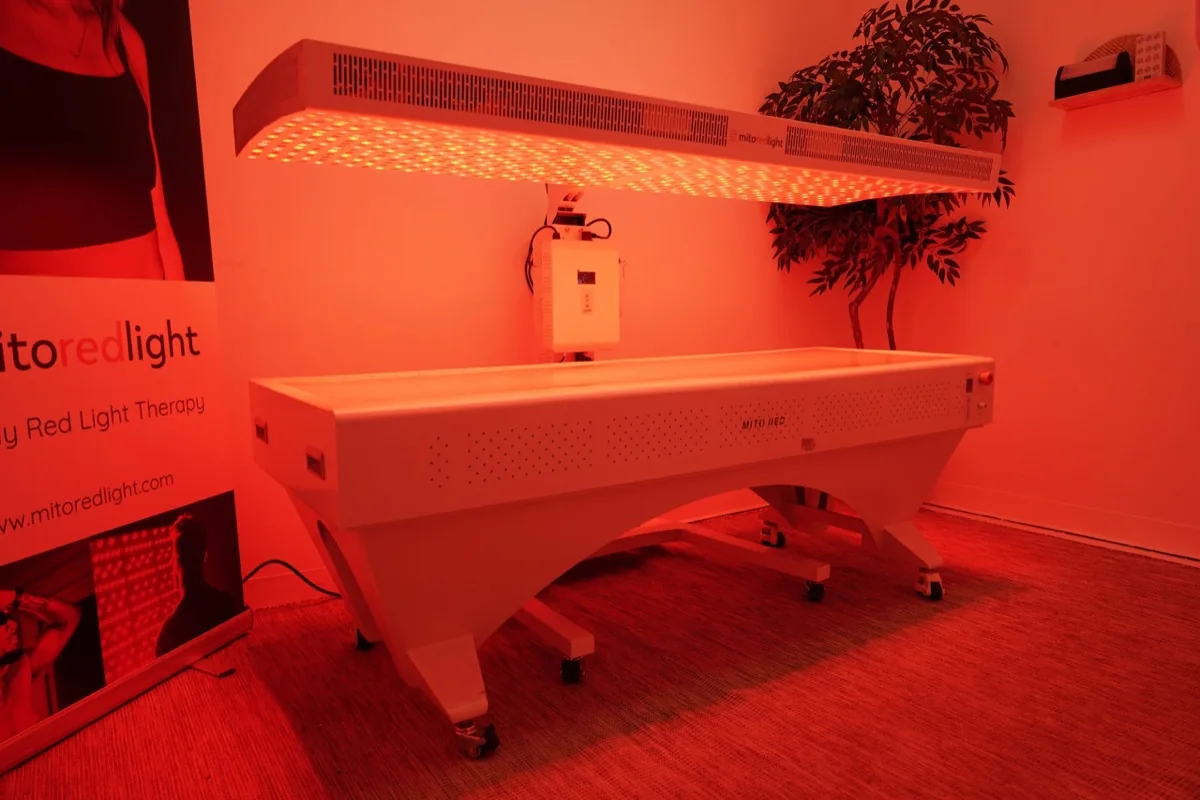
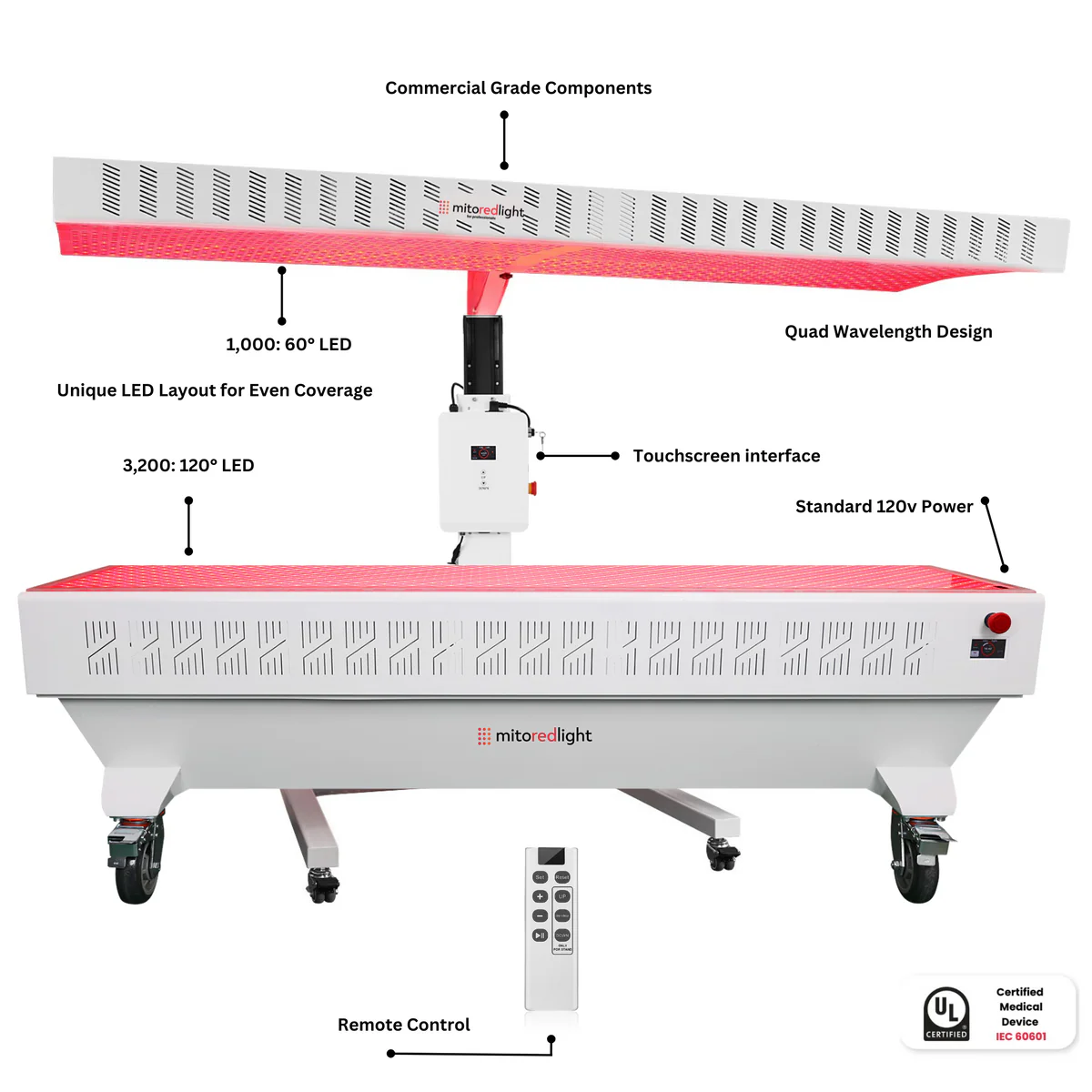
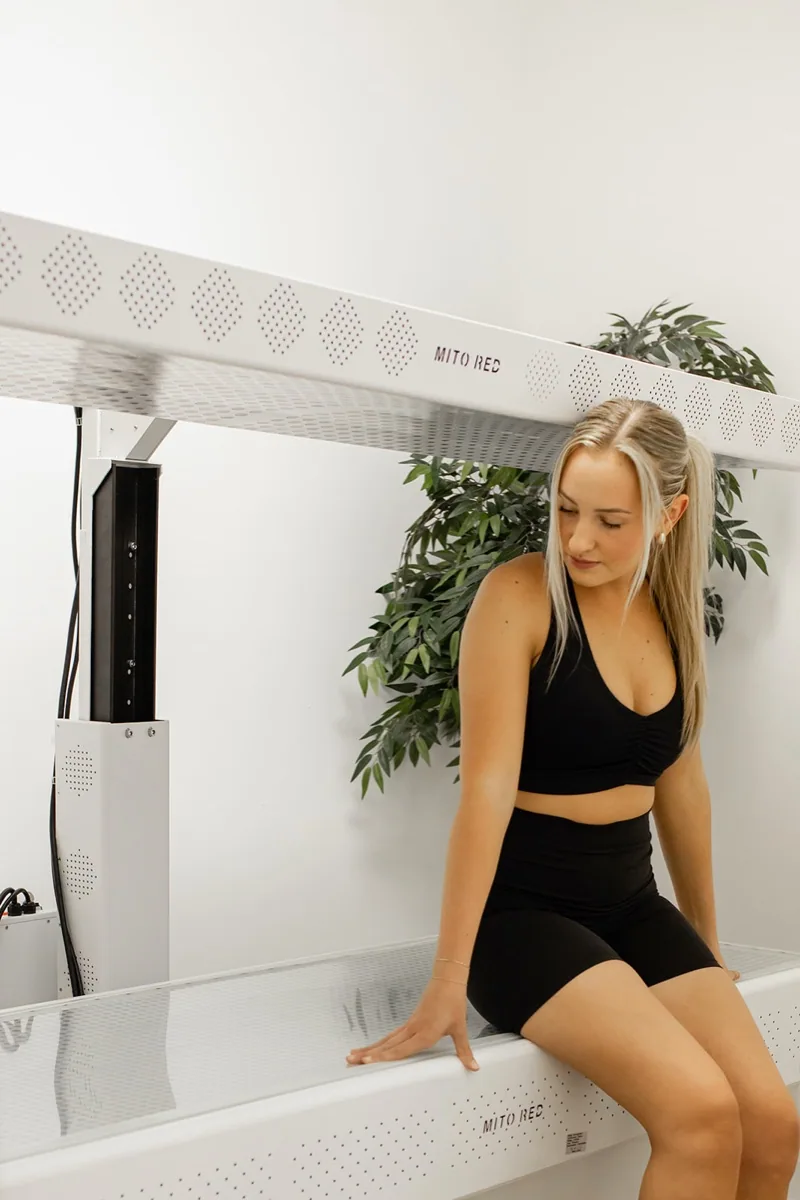
Red Light Therapy Beds Beds resemble high-end tanning beds that emit red and near-infrared light, providing 360-degree simultaneous exposure while you lie down.
- Pros: Treats front and back simultaneously with passive 8 to 15 minute sessions.
- Cons: Requires a dedicated room, costs $20,000 to $120,000+, and often needs 220V electrical upgrades.
Red Light Therapy Panels Panels are modular LED arrays you stand or sit in front of, treating one side of the body at a time.
- Pros: Flexible placement on doors or stands, uses standard 120V outlets, and costs $500 to $3,000.
- Cons: Requires turning around, resulting in 20 to 40 minute full-body sessions.
The photobiomodulation science is identical
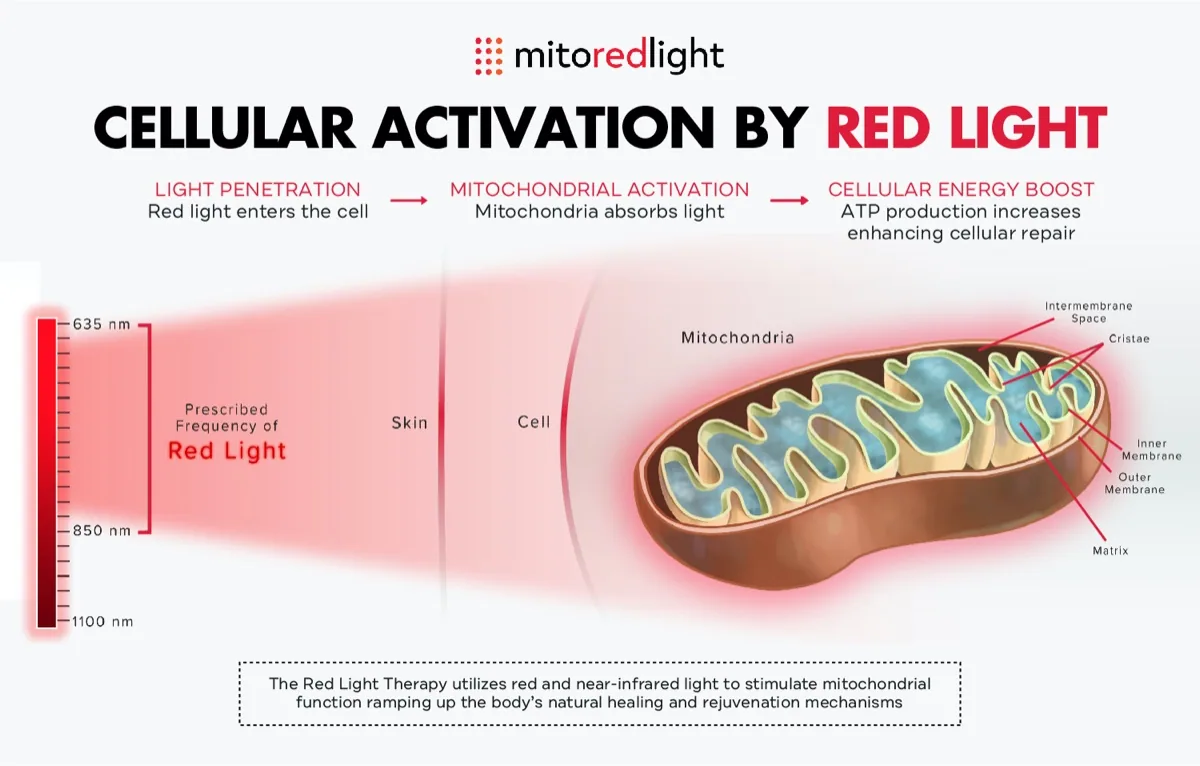
Both devices deliver specific wavelengths of light, primarily 660nm (red) and 850nm (near-infrared), to your cells. Chromophores inside mitochondria absorb these photons, stimulating ATP production to support tissue repair, reduce inflammation, and accelerate recovery.
Your cells respond to the wavelength and total delivered energy dose rather than the enclosure type. The therapeutic mechanism is identical across both delivery formats.
| Factor | Red Light Therapy Beds | Red Light Therapy Panels | Winner |
|---|---|---|---|
| Cost (Home Use) | $5,000 to $15,000 | $500 to $3,000 | Panels |
| Cost (Commercial) | $20,000 to $120,000+ | $2,000 to $10,000 | Panels |
| Full-Body Treatment Time | 8 to 15 minutes | 20 to 40 minutes | Beds |
| Coverage | 360° simultaneous | One side at a time | Beds |
| Therapeutic Wavelengths | 660nm / 850nm | 660nm / 850nm | Tie |
| Cellular Benefits | Mitochondrial stimulation | Mitochondrial stimulation | Tie |
| Irradiance (mW/cm²) | 50 to 165 mW/cm² | 70 to 200+ mW/cm² | Panels |
| Space Required | Dedicated room (7'×4'+) | Door/wall mount | Panels |
| Electrical | Often 220V/30A | Standard 120V | Panels |
| Comfort | Lie down, passive | Stand/reposition | Beds |
| Portability | Fixed location | Portable, travel-friendly | Panels |
| Maintenance | Clean between uses | Minimal (no direct contact) | Panels |
Clinical cost analysis
Cost is usually the primary factor when choosing equipment for home or clinic use.
| Category | Red Light Beds | Red Light Panels |
|---|---|---|
| Entry-Level Home | $5,000 to $8,000 | $129 to $500 (small) $500 to $1,500 (large) |
| Mid-Range Home/Light Commercial | $15,000 to $25,000 | $1,500 to $3,000 (full-body setup) |
| Commercial Grade | $20,000 to $70,000 | $3,000 to $10,000 (multi-panel array) |
| Premium Commercial | $60,000 to $120,000+ | $5,000 to $15,000 (pro setup) |
Beds carry extra installation and maintenance expenses. Expect $500 to $2,000 for dedicated 220V wiring, dedicated floor space, and continuous sanitization between clients. Panels plug into standard wall outlets and do not require direct skin contact.
For home users, a $2,000 panel pays for itself after avoiding roughly 40 in-clinic appointments. At three sessions per week, you break even in about three months.
Treatment time and irradiance
Beds have a clear advantage in session speed. A 360-degree bed session takes 8 to 15 minutes. A full-body panel session takes 20 to 40 minutes because you treat the front, then turn to treat the back. For home users, this extra time is minor. In a commercial clinic, shorter sessions increase daily appointment capacity.
Higher equipment cost does not mean greater light penetration. Both systems deliver 660nm light for superficial skin care and 850nm light for deep joint and muscle recovery.
In practice, many panels deliver higher irradiance (70 to 200+ mW/cm²) than beds (50 to 165 mW/cm²) because the body is positioned closer to the LEDs. You can also build dual-panel home setups, such as a Kala quad-panel setup, for simultaneous front and back treatment.
Space and electrical requirements
| Requirement | Red Light Beds | Red Light Panels |
|---|---|---|
| Voltage | Often 220V/30A dedicated circuit | Standard 120V outlet |
| Electrician Required? | Usually yes ($500 to $2,000 for install) | No |
| Power Draw | 1,500 to 3,000+ watts | 100 to 500 watts per panel |
| Rental Friendly? | No (permanent installation) | Yes (portable, no changes) |
Beds require a room roughly 10 by 12 feet and floor support for their 300 to 600 lb weight. Panels weigh 15 to 60 lbs and hang securely on a standard door or mobile floor stand.
Clinical recommendations: which should you choose?
When to Choose a Bed: Beds work best for high-volume commercial facilities treating 20 or more clients daily, where 10-minute session turnarounds maximize revenue. Beds also accommodate patients with severe mobility limits, such as advanced fibromyalgia, who cannot stand comfortably for 20 minutes.
When to Choose a Panel: For personal home use, panels are the practical choice. You get identical cellular photobiomodulation benefits at a fraction of the cost. Panels also work well for targeted applications like tendinitis or localized scar tissue. See my comparisons of Rouge, Mito Red, Kala, Infraredi, Hooga, and PlatinumLED.
Clinic ROI calculator
For healthcare practitioners, here is a comparison of estimated clinic revenue across equipment formats:
Projected clinic ROI comparison (annual estimates)
Based on a clinic schedule of 8 hours per day, 5 days per week, $50 session pricing, and a 60% utilization rate:
| Equipment Type | Equipment Cost | Daily Sessions | Monthly Revenue | Annual Revenue | Payback Period | First-Year Net Profit |
|---|---|---|---|---|---|---|
| Single Large Panel Setup | $2,000 | 9 | $9,000 | $108,000 | 0.2 months | $106,000 |
| Dual Panel Setup | $4,000 | 14 | $14,000 | $168,000 | 0.3 months | $164,000 |
| Basic Bed | $25,000 | 16 | $16,000 | $192,000 | 1.6 months | $167,000 |
| Premium Bed | $50,000 | 19 | $19,000 | $228,000 | 2.6 months | $178,000 |
| Elite Bed | $80,000 | 19 | $19,000 | $228,000 | 4.2 months | $148,000 |
Note: Calculations include a 5-minute sanitization buffer between appointments. Beds allow 10 to 12 minute sessions, maximizing appointment slots in busy practices.
Many clinics employ a hybrid model, using panels for localized add-on treatments and reserving beds for premium full-body sessions.
For home users, panels remain the most practical solution for consistent recovery. For commercial facilities, beds offer the speed necessary to scale daily patient volume.
Related clinical resources
- Read my full review of the best red light therapy panels for panel comparisons.
- Check out my comparative analysis on the Red Light Therapy Beginners Guide.