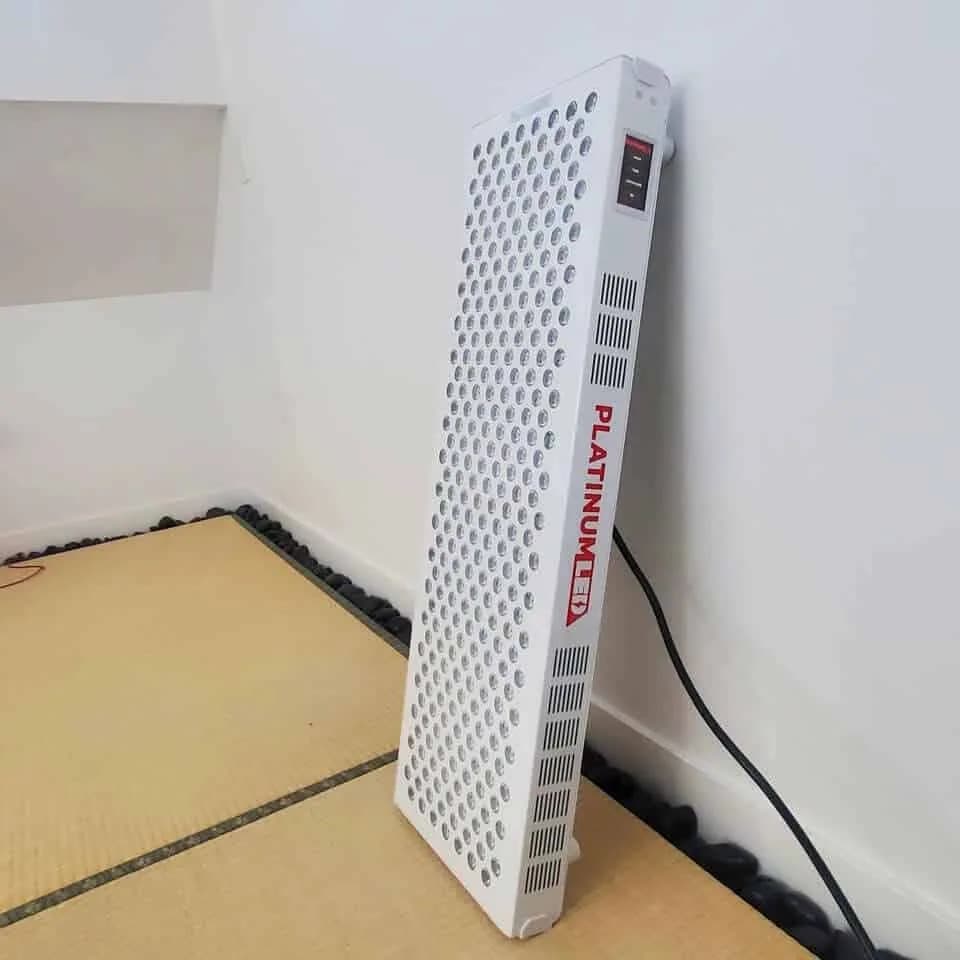
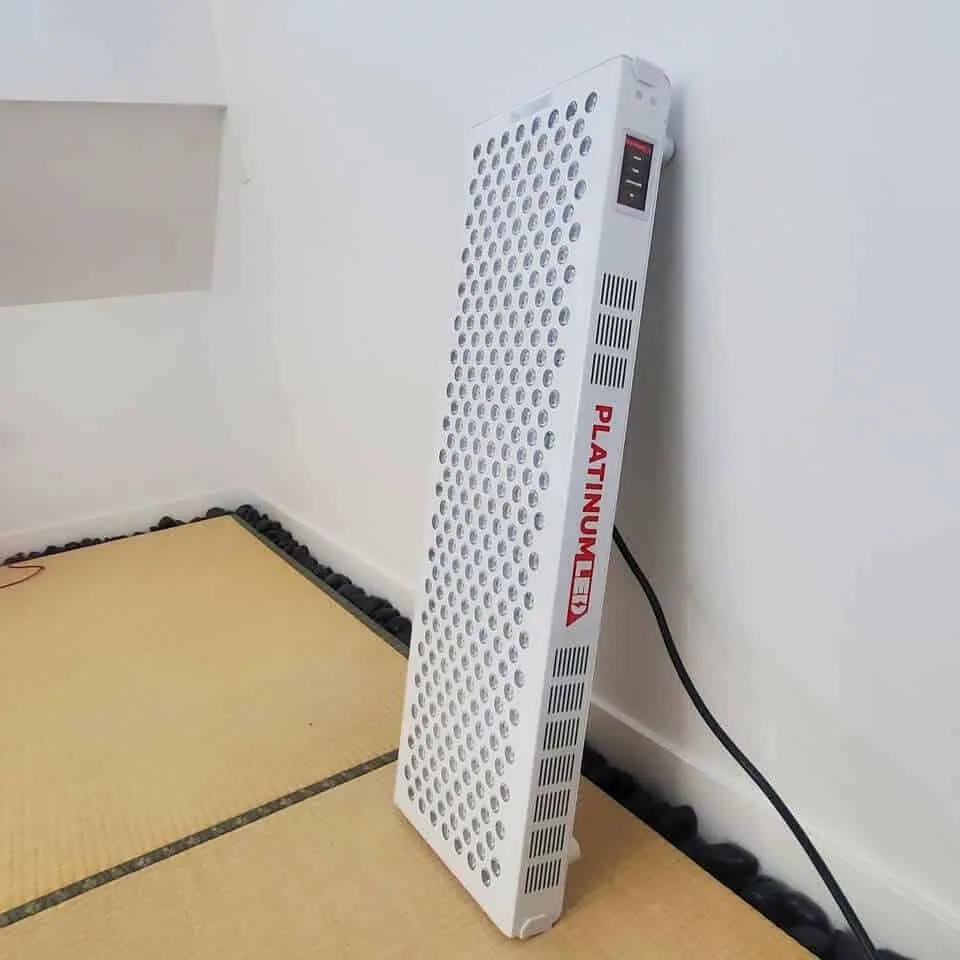
As a Certified Athletic Therapist (CAT(C)) and clinical practitioner, I regularly test recovery equipment for rehabilitation. The PlatinumLED BioMax 900 has been part of my private practice for over a year, where I use it to support tissue repair and help manage chronic pain.
Clinical Background & Testing Focus
My evaluation of the BioMax series comes directly from clinical use rather than promotional claims.
- Real patient outcomes: Tracking changes in joint mobility and tissue soreness.
- Dosing parameters: Comparing panel power against peer-reviewed photobiomodulation (PBM) research.
- Hardware measurements: Checking irradiance and wavelength output against competing panels.
How PlatinumLED Therapy Lights Work
PlatinumLED panels emit targeted wavelengths of red and near-infrared light that interact with cytochrome c oxidase in cellular mitochondria. This process helps displace inhibitory nitric oxide, allowing cells to process oxygen more effectively and generate adenosine triphosphate (ATP).
In clinical practice, this boost in cellular energy supports muscle and connective tissue repair. Patients frequently report reduced localized fatigue following regular sessions.
The light exposure also promotes local vasodilation, increasing blood flow to injured tissues while clearing metabolic waste to ease joint stiffness.
The 7-Wavelength Array
Most entry-level panels deliver two to four wavelengths. The BioMax series uses a 7-band spectral output designed to reach different tissue depths.
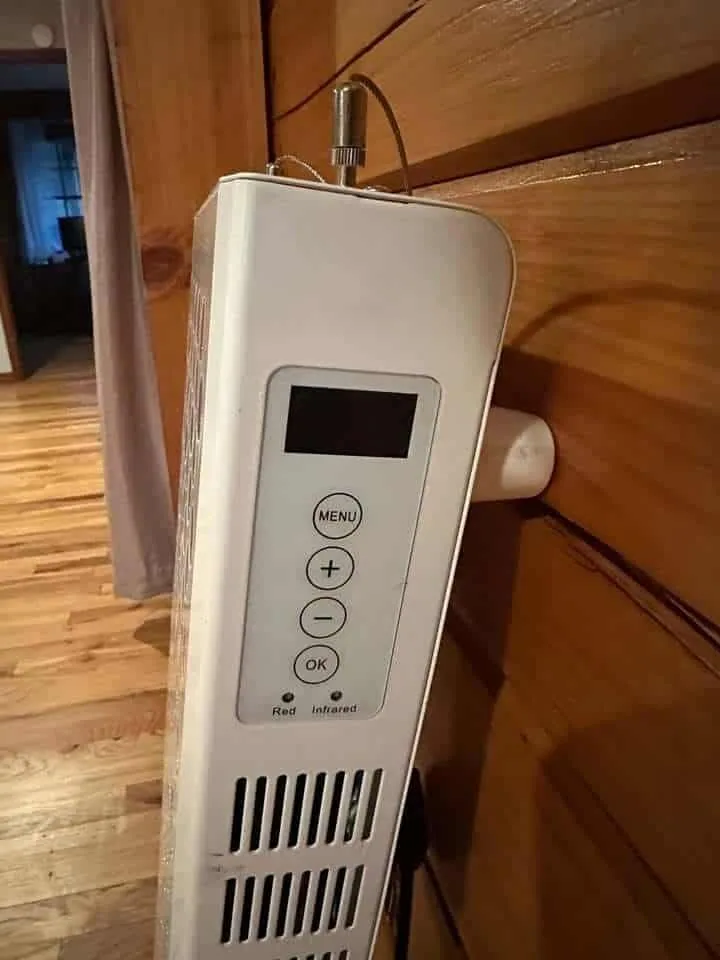
Superficial Tissue (Red & Blue Light):
- 480nm (Blue): Targets surface bacteria and is helpful for managing localized skin blemishes.
- 630nm and 660nm (Red): Stimulates fibroblast activity to encourage collagen production and support superficial wound healing.
Deep Tissue (Near-Infrared Light):
- 810nm, 830nm, and 850nm (NIR): These are the core bands for musculoskeletal therapy, reaching muscle tissue and joint capsules.
- 1060nm (Deep NIR): This longer wavelength penetrates toward deeper fascial layers and joints.
Practical Applications in Clinic
Pain Relief and Inflammation: Near-infrared wavelengths improve local microcirculation, helping clear excess fluid from stiff or inflamed joints. I regularly use this for back stiffness, tendinopathy, and joint discomfort.
Skin Recovery: Red light therapy supports dermatological repair. The 630nm and 660nm bands help maintain skin elasticity and assist in tissue recovery after superficial scrapes or minor incisions.
Athletic Recovery: Athletes use red and near-infrared light to support muscle recovery between training sessions. Treating target muscle groups helps reduce post-workout soreness.
Hair Follicle Support: Research indicates 660nm light can stimulate cellular activity in hair follicles, offering a non-invasive option for thinning hair.
BioMax 600 vs 900: Which Size Fits Your Needs?
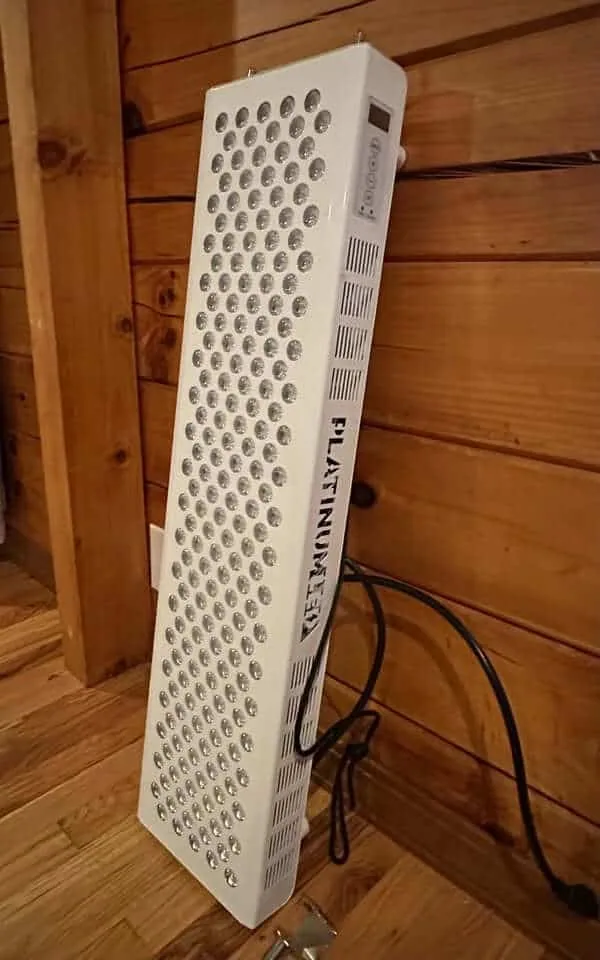
Both panels use the same 7-wavelength technology, but cover different body surface areas.
| Feature | BioMax 600 | BioMax 900 |
|---|---|---|
| LED Count | 200 LEDs | 300 LEDs |
| Irradiance | 174 mW/cm² | 185 mW/cm² |
| Coverage Area | Half-Body / Targeted | Full Torso / Large Areas |
| Best For | Targeted joint relief, facial treatments | Full-body sessions, athletic recovery |
| Action | View BioMax 600 | View BioMax 900 |
Who is each for? If you are treating localized joints or facial skin, the BioMax 600 is compact and sufficient. For larger muscle groups, full torso coverage, or chronic back issues, the BioMax 900 cuts session times and provides more uniform body coverage.
Recommended Usage Protocol
Here is the protocol I suggest for patients using PlatinumLED panels:
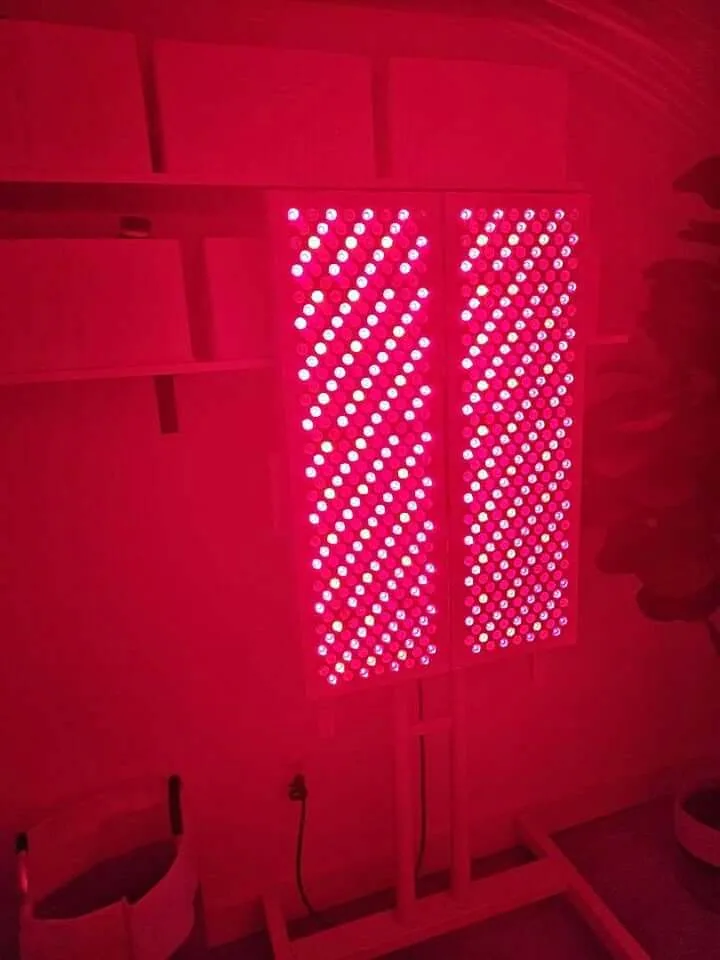
- Distance: Sit 8 to 14 inches away for deep muscle and joint recovery. Back up to 16 to 24 inches for superficial skin sessions.
- Duration: 10 to 15 minutes per treatment area.
- Frequency: 4 to 5 sessions per week for ongoing maintenance.
PlatinumLED vs Competitors
Here is how PlatinumLED compares to other panels on the market:
| Feature | PlatinumLED BioMax | Mito Red Light (Pro X) | Infraredi (Flex Series) |
|---|---|---|---|
| Wavelengths | 7 Wavelengths | 4-5 Wavelengths | 4 Wavelengths |
| FDA Status | Class II Medical Device | Class II Medical Device | Not Listed |
| Key Feature | Broad Spectrum Array | Modular Linking | Portable Design |
| Best For | Multi-wavelength coverage | Expandable stacked setups | Portable home use |
Clinical Takeaway: Mito Red Light and Infraredi build capable panels. PlatinumLED offers a broader 7-wavelength array and high single-diode output, though Mito provides smoother blended light via dual-chip LEDs.
Pros & Cons of PlatinumLED BioMax Series
Pros:
- 7-wavelength output covers multiple tissue depths.
- FDA Class II listing confirms safety standards.
- Large treatment window on the BioMax 900 speeds up full-body routines.
- 3-year factory warranty.
Cons:
- Higher upfront price than entry-level consumer models.
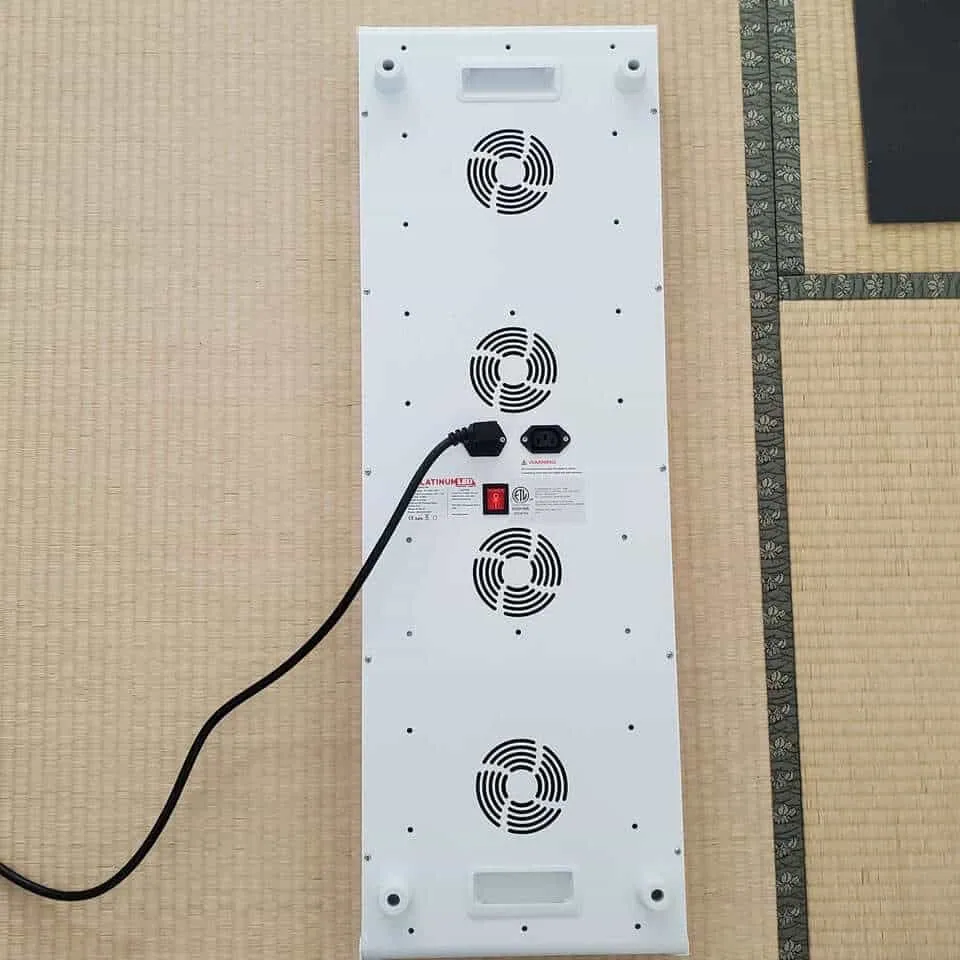
- The BioMax 900 is heavy (33 lbs) and benefits from a sturdy floor stand or wall mount.
- 20% restocking fee on returns.
Final Verdict: Is the PlatinumLED BioMax 900 Right for You?
The PlatinumLED BioMax 900 is a sturdy, high-power panel built for consistent home or clinic use.
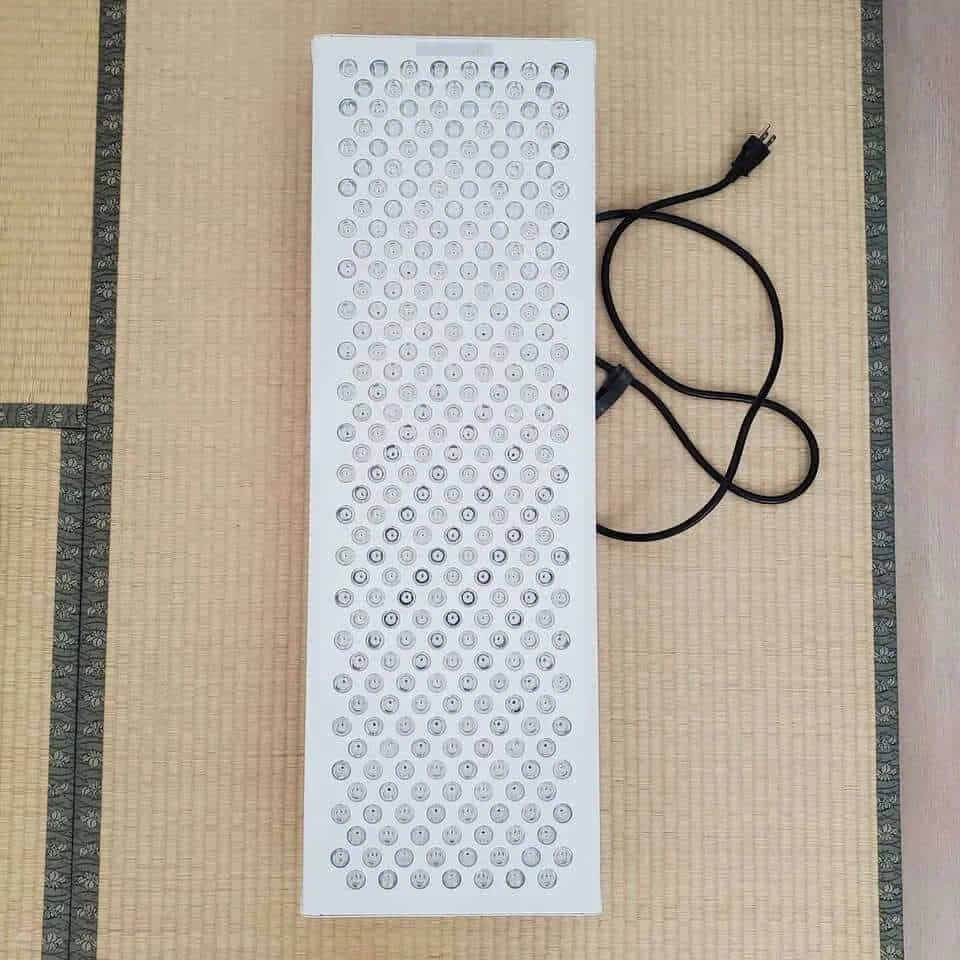
If you want strong irradiance, multiple wavelengths, and durable metal construction, the BioMax 900 is a dependable choice.
Reviewed by: Daryl Stubbs CAT(C), Holistic Nutritionist
Athletic Therapist with 12+ years of clinical experience using photobiomodulation in practice.
Related Clinical Resources
- Read my comprehensive guide to the best red light therapy panels for additional model comparisons.