In clinical rehabilitation, recovery is often the limiting factor in physical performance. Whether working with competitive athletes or individuals managing joint inflammation, the rate at which tissue calms after exertion dictates how consistently someone can train.
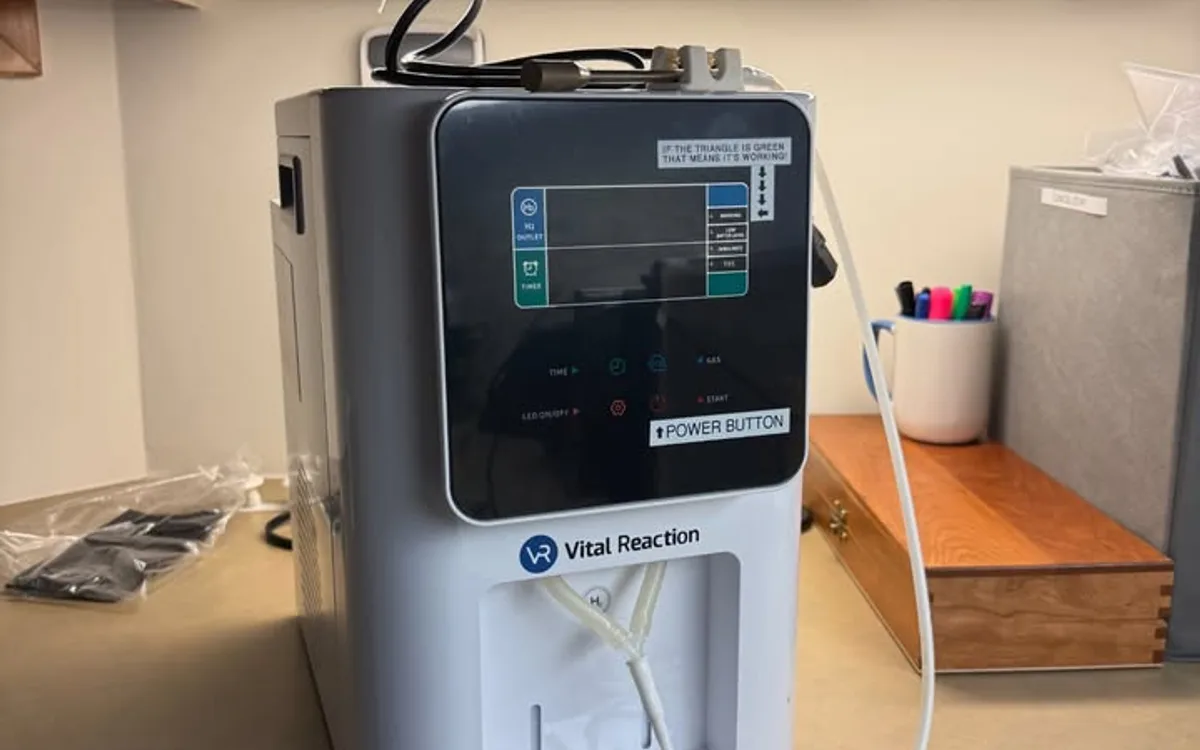
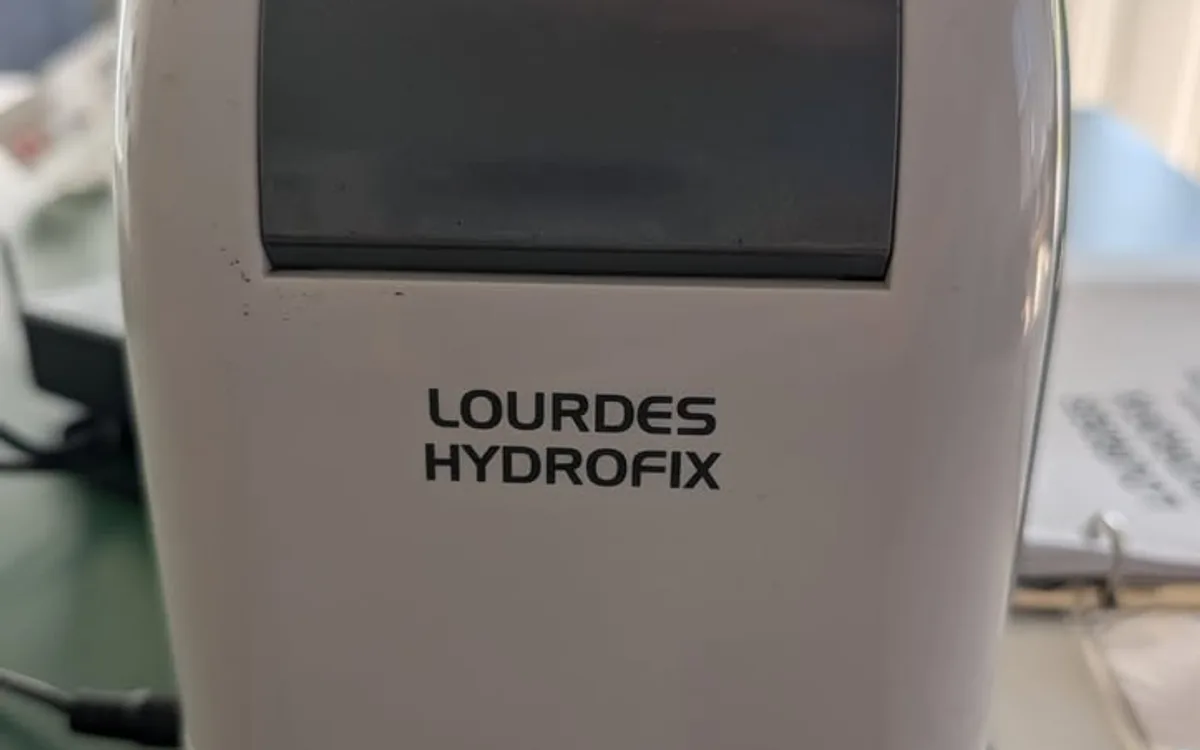
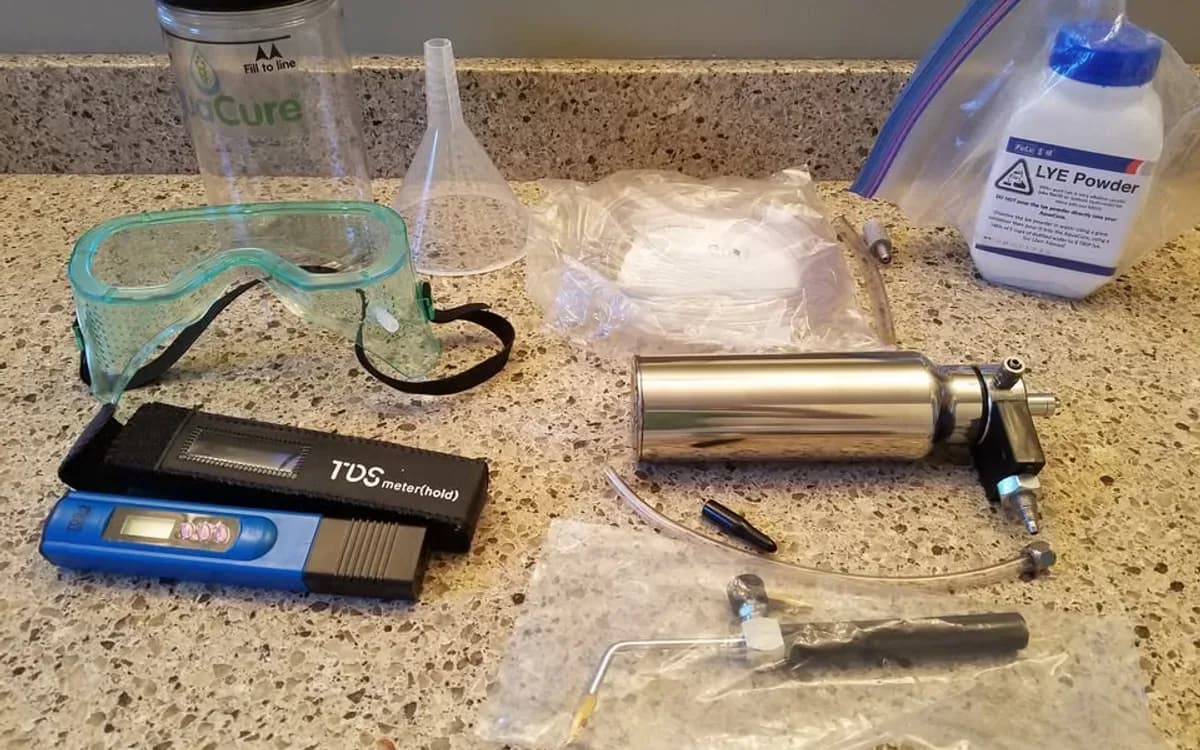
Drinking hydrogen water is an effective tool for managing exercise-induced inflammation and speeding up recovery. Below is an overview of how molecular hydrogen (H2) works at the cellular level and how to apply it practically.
Biological Mechanism: Selective Antioxidant Activity
Hard training or rehabilitation exercises generate reactive oxygen species (ROS). While low levels of ROS are necessary to stimulate muscular adaptation, intense bouts produce excessive oxidative stress that leads to cell-membrane damage, micro-injuries, and soreness.
High-dose traditional antioxidant supplements (such as vitamin C or E) neutralize free radicals indiscriminately. In sports therapy, taking high-dose general antioxidants immediately post-workout can blunt the cellular signals required for muscular strength and mitochondrial adaptations.
Molecular hydrogen functions differently as a selective antioxidant. It targets only the most destructive free radicals, primarily the cytotoxic hydroxyl radical, leaving normal physiological signaling molecules intact.
Clinical Trials in Athletic Performance
Over 80 clinical trials investigate molecular hydrogen in sports medicine and recovery:
- Lower lactate accumulation: A study in Medical Gas Research evaluated athletes drinking hydrogen-rich water (HRW) before hard training. The HRW group showed lower blood lactate levels during exercise and reported less muscle fatigue.
- Reduced muscle damage markers: Human trials indicate that drinking high-concentration hydrogen water reduces post-exercise blood creatine kinase (CK) levels after eccentric loading.
- Managing joint inflammation: By modulating inflammatory cytokines like TNF-alpha and IL-6, molecular hydrogen helps ease joint stiffness and connective tissue inflammation from heavy training cycles.
Combining Hydrogen Water with Red Light Therapy
In athletic rehabilitation, combining molecular hydrogen with photobiomodulation (red light therapy) addresses recovery through complementary pathways:
- Red and near-infrared light stimulates cytochrome c oxidase in the mitochondria to encourage direct ATP production.
- Molecular hydrogen reduces oxidative stress inside the mitochondria, protecting the newly stimulated energy systems.
To review equipment options for this protocol, see my guide to the Best Red Light Therapy Panels, and calculate exposure times with the Red Light Dose Calculator.
Dosing Protocol for Recovery
To achieve measurable results, target a dissolved H2 concentration of at least 1.0 to 1.6+ ppm:
- Pre-workout: Drink 500 mL of hydrogen water roughly 30 minutes before training to saturate tissues with selective antioxidants.
- Post-workout: Drink another 500 mL immediately after your session to assist with lactate clearance and manage inflammation.
- Daily tracking: Use the interactive Hydrogen Water Calculator to check your fluid intake and calculate daily PPM delivery.
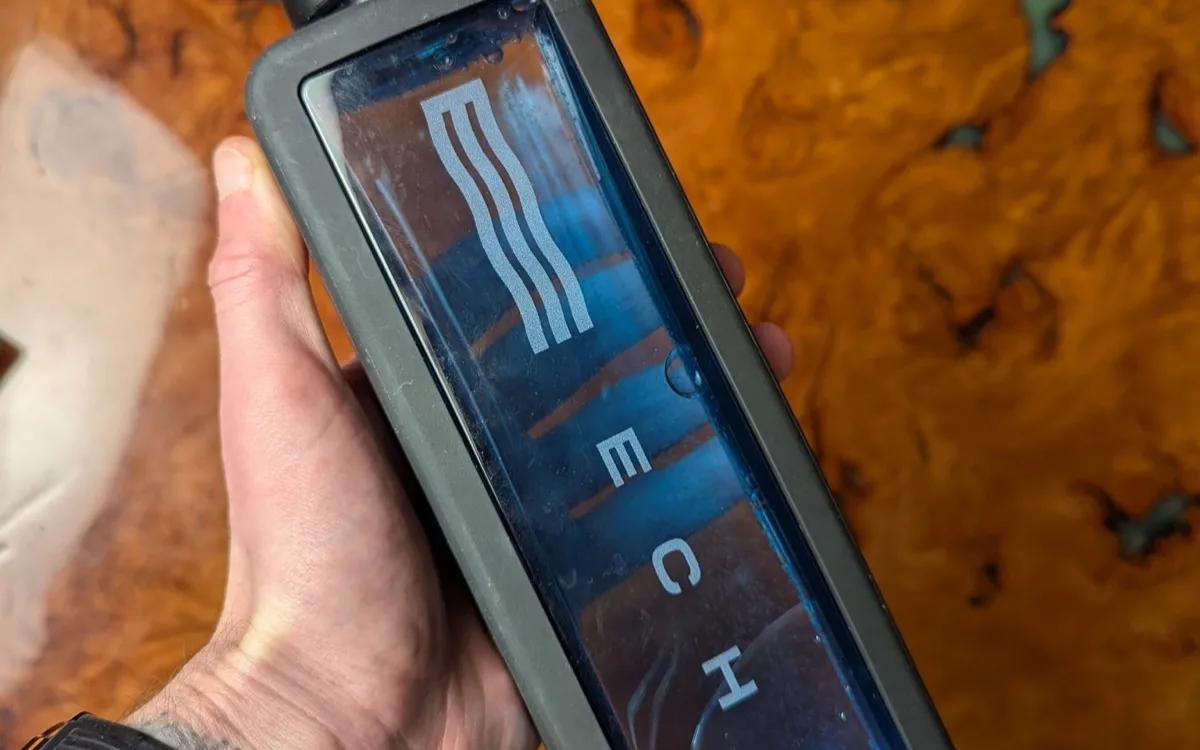
For portable options to use at the gym or track, see my tested recommendations in the Best Hydrogen Water Bottles.
Disclaimer: I am a Certified Athletic Therapist and Holistic Nutritionist. The information in this article is for educational purposes. Consult with your sports medicine provider before altering your training or recovery protocols.
References and Research
- Medical Gas Research: "Effects of drinking hydrogen-rich water on muscle fatigue and micro-injury in elite athletes." PMID: 23031079
- Canadian Journal of Physiology and Pharmacology: "Molecular hydrogen as an emerging therapeutic medical gas for athletic performance." PMID: 25760592