Patients often ask me what the scientific research says regarding the clinical benefits of hydrogen water. As a Certified Athletic Therapist and clinical researcher, I evaluate rehabilitation protocols and recovery tools based on objective outcomes rather than marketing trends.
Hydrogen water is regular drinking water infused with dissolved molecular hydrogen (H2) gas. The clinical interest lies in the fact that H2 acts as a selective antioxidant.
Most traditional antioxidants, like high-dose vitamin C or E, are non-selective. They neutralize all free radicals, which can blunt natural muscular adaptations to exercise. Molecular hydrogen behaves differently. It scavenges destructive free radicals like hydroxyl radicals and peroxynitrite while leaving necessary signaling molecules intact.
Why I Tested It
For years, I told clients to focus strictly on the basics: consistent sleep, whole foods, and structured strength training provide the largest returns on investment. I viewed hydrogen water with skepticism, assuming it was simply overpriced bottled water.
The peer-reviewed literature shifted my perspective. Dozens of human trials now evaluate exercise recovery, systemic inflammatory markers, metabolic health, and fatigue. The consistency of the clinical data warranted closer attention.
Clinical Outcomes: Inflammation and Metabolic Health
In clinical practice, chronic inflammation interferes directly with tissue repair. Rehabilitating an injured joint requires managing local cytokine activity. Trials indicate that drinking hydrogen-rich water helps lower several of these markers.
This effect appears consistently in populations dealing with metabolic syndrome. Clients frequently report that morning joint stiffness diminishes after several weeks of daily H2 consumption. Research supports these observations, showing measurable drops in oxidative stress markers such as malondialdehyde (MDA) and C-reactive protein (CRP).
Lowering systemic oxidative stress frees up cellular resources for tissue repair, providing meaningful support for individuals managing low-grade inflammation.
Exercise Recovery and Muscle Fatigue
Treating athletes with delayed onset muscle soreness (DOMS) and training fatigue is a daily part of athletic therapy. Studies show that pre-workout hydrogen water provides small, repeatable reductions in muscle soreness.
It also lowers perceived exertion during high-intensity intervals. Mitigating acute oxidative stress from heavy resistance or endurance work allows muscle tissue to recover faster, supporting higher quality training volume over a multi-week block.
In my clinic, runners and strength athletes who use high-concentration H2 water report feeling less exhausted the day after maximal efforts, reflecting faster clearance of metabolic waste.
Cognitive Function and Energy
Fatigue is a common complaint across patient populations. Beyond physical recovery, trials show that hydrogen water can support self-reported energy levels and baseline focus during cognitive tasks.
The brain consumes roughly 20% of the body's oxygen, making neural tissue sensitive to oxidative stress. Molecular hydrogen crosses the blood-brain barrier easily due to its small size, helping protect mitochondrial function and reduce midday mental fatigue.
Delivery Methods: How to Drink It
Concentration dictates biological efficacy. Therapeutic doses in clinical literature generally range from 1.5 to 3.0+ ppm (or mg/L).
Pre-packaged bottled hydrogen water is generally unreliable. Molecular hydrogen is small and light, allowing it to escape through plastic and glass over time. By the time a store-bought bottle is opened, most dissolved gas has dissipated into the air.
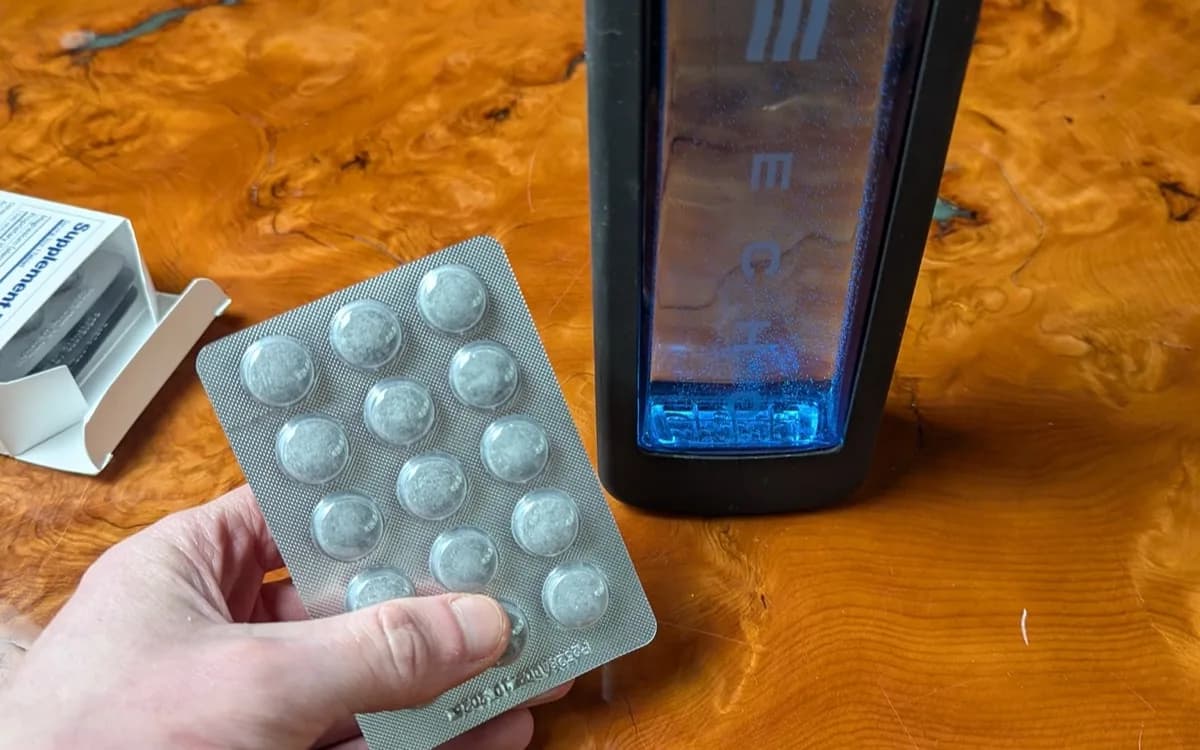
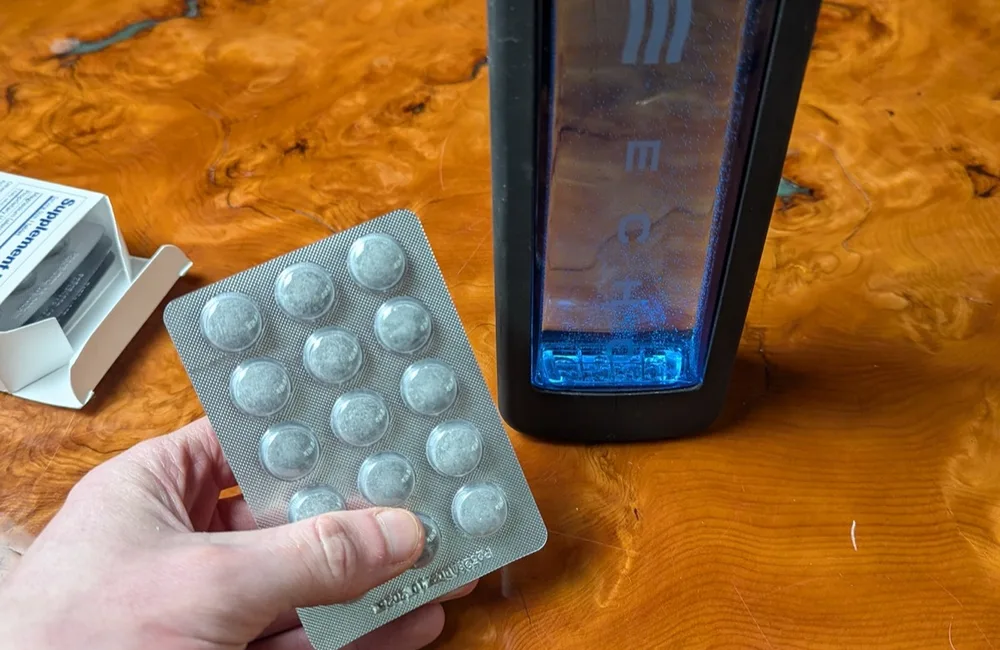
Two practical methods deliver clinical-grade H2: dissolving specialized magnesium tablets in a sealed container, or using a quality hydrogen water generator bottle.
Delivery Methods Compared
| Feature | Magnesium Tablets | SPE/PEM Generator Bottles | Pre-Packaged Bottles |
|---|---|---|---|
| H2 Concentration | Very High (up to 8.0+ ppm) | High (1.5 to 3.0+ ppm) | Low (< 0.5 ppm) |
| Cost Per Serving | Moderate ($1 to $2 per tablet) | Low (one-time machine cost) | High ($3 to $5 per bottle) |
| Convenience | Requires sealed pressure bottle | Push-button operation in 5 min | Ready to drink |
| Clinical Utility | Effective for acute high-dose needs | Practical for daily use | Not recommended |
Evaluating Generator Technology
When buying a generator bottle, verify the internal components. Older electrolysis setups lack separating membranes and can release ozone or chlorine gas into the water.
Look for SPE/PEM (Solid Polymer Electrolyte / Proton Exchange Membrane) technology. This membrane directs pure molecular hydrogen into the water while venting ozone and chlorine out through a bottom exhaust port. Look for units that explicitly specify a quality proton exchange membrane, such as DuPont Nafion.
My Daily Protocol
Rather than sipping hydrogen water continuously, pulse dosing works better because of the rapid clearance of H2 in the body. I drink two concentrated servings per day:
- First serving: Taken upon waking to help clear overnight oxidative stress and hydrate tissues.
- Second serving: Taken roughly 30 minutes before training to buffer exercise-induced free radicals generated during high-intensity workouts.
Who Benefits Most?
Hydrogen water is especially useful for three groups:
- Athletes with high training volumes who need faster recovery and metabolic waste clearance.
- Individuals managing chronic, low-grade joint stiffness who want an adjunctive nutritional strategy.
- Professionals seeking to support mitochondrial function and sustained daytime focus.
Getting basic lifestyle factors dialed in comes first, but for individuals with solid fundamentals, H2 offers a science-backed tool for their recovery routine.
Equipment I Use
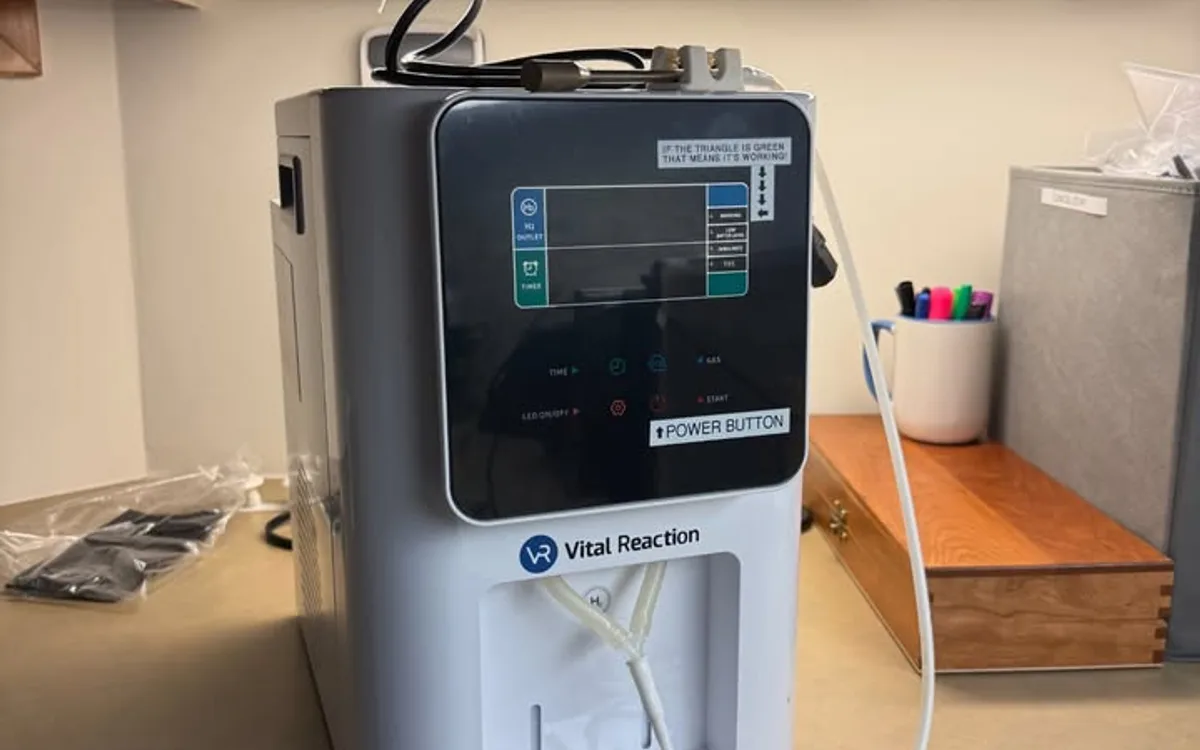
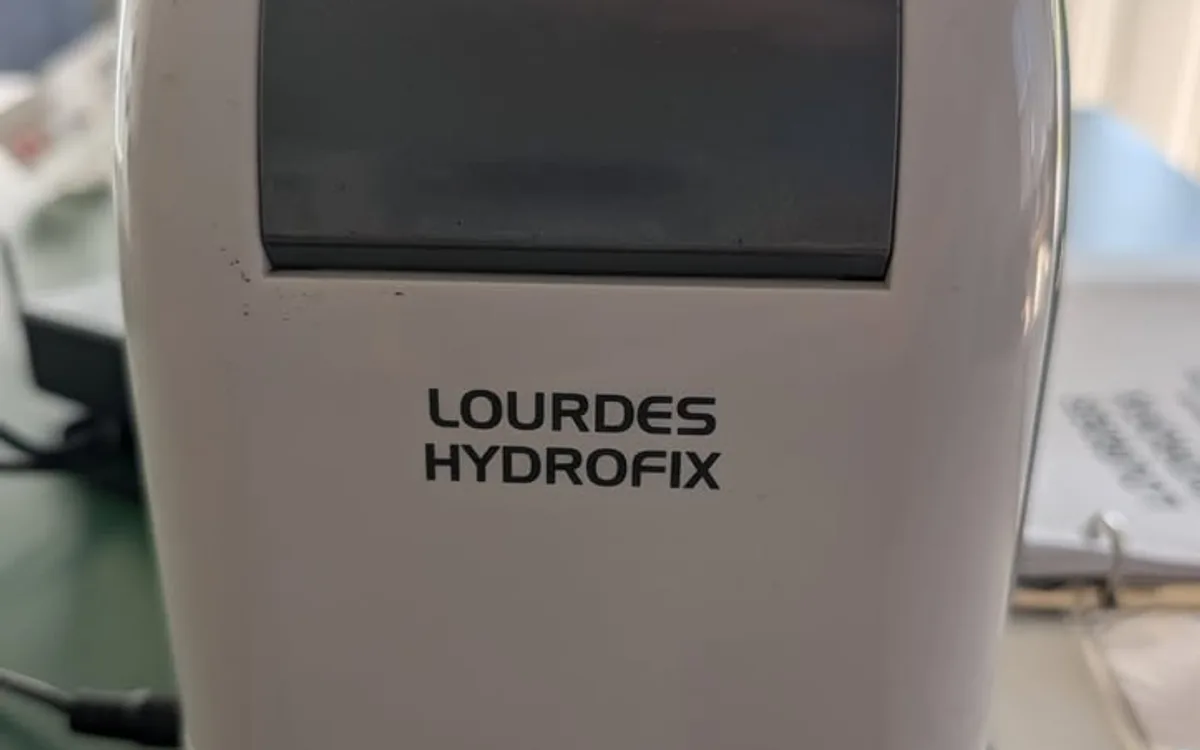
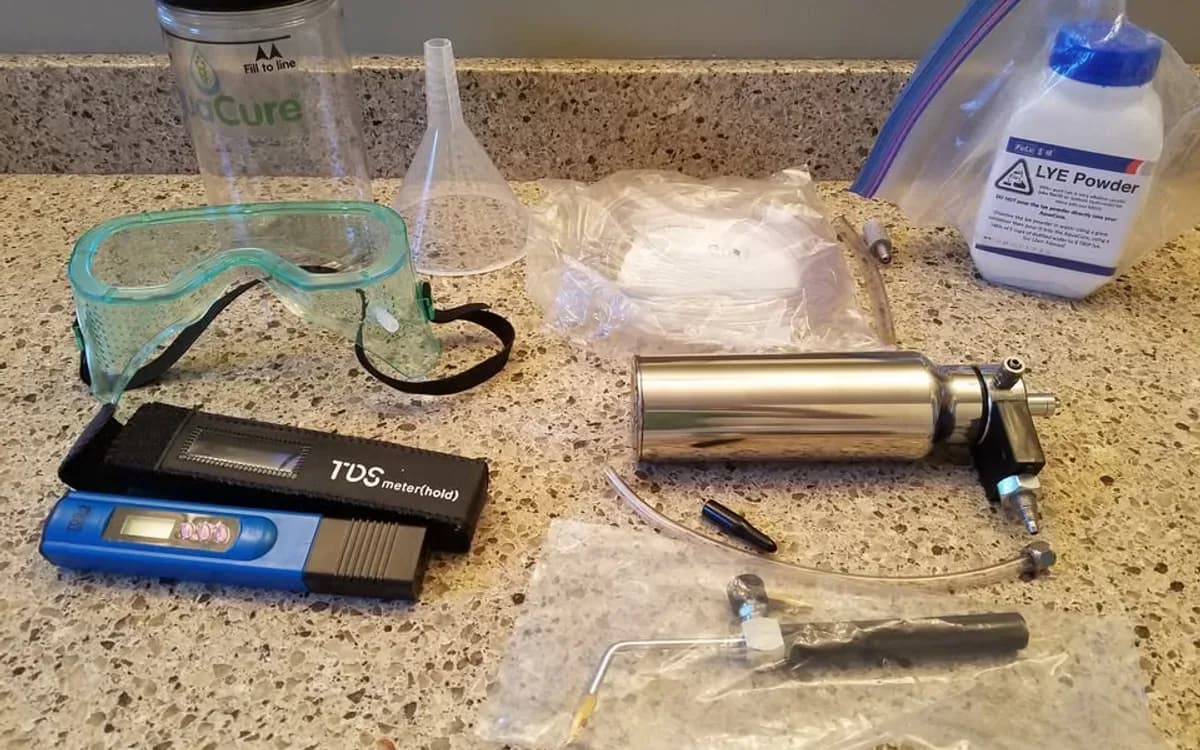
Over the years, I have tested magnesium tablets, portable bottles, and countertop clinical generators. The models that stay in regular rotation deliver verified PPM levels, use certified SPE/PEM membranes, and withstand daily clinical use. You can see the specific units I use on my Products I Use page.
Related Clinical Resources
- Read my hands-on evaluation of the best hydrogen water bottles.
- Review countertop systems in my guide to the Best Hydrogen Water Machines.