As a Certified Athletic Therapist, photobiomodulation (PBM) is one of my foundational clinical modalities for human tissue repair and pain management. In recent years, one of the most common questions I receive from pet owners and biohackers is: does red light therapy for dogs work?
The short answer is yes. Canine red light therapy, scientifically known as photobiomodulation or low-level light therapy (LLLT), is becoming a standard non-invasive treatment in veterinary rehabilitation clinics and holistic pet care.
Whether your senior dog is struggling with osteoarthritis, recovering from an ACL (CCL) knee tear, or healing from a post-surgical incision, targeted red and near-infrared light can speed up cellular repair and reduce chronic pain.
In this clinical guide, we will break down the science behind red light for dogs, how to dose at-home treatments based on coat thickness, how to choose the best red light therapy device for dogs, and safety precautions every pet owner needs to know.
Red Light Therapy for Dogs: At-Home Canine Photobiomodulation Guide
⚡ Core Video Takeaways & Clinical Highlights
- •Drug-Free Joint Pain Relief: Red (660nm) and near-infrared (850nm) light stimulate mitochondrial ATP production to soothe canine arthritis and hip dysplasia.
- •Accelerated ACL & Wound Healing: Promotes tissue micro-circulation and collagen synthesis for post-surgical recovery and muscle tears.
- •Coat & Dosing Guidelines: Part long or thick double-coat fur or press flexible PBM pads directly against skin for maximum light absorption.
The Science: How Red Light Therapy Works in Canine Biology
Just like human tissue, canine cells rely on mitochondria to produce Adenosine Triphosphate (ATP), the primary chemical energy currency of the body. When a dog suffers from joint degeneration, muscle strain, or systemic inflammation, cellular energy drops, and reactive oxygen species (ROS) cause oxidative stress.
When you apply red light therapy on dogs, specific light photons penetrate through the skin into the underlying tissue:
- Absorption by Cytochrome C Oxidase: Photons in the red spectrum (630 to 660 nm) and near-infrared spectrum (800 to 850 nm) are absorbed by cytochrome c oxidase, a respiratory enzyme inside the mitochondria.
- ATP Production: This absorption stimulates electron transport, boosting mitochondrial ATP synthesis and giving injured cells the energy required for regeneration.
- Nitric Oxide Release and Blood Flow: Photons trigger the release of nitric oxide (NO), relaxing local blood vessels. Increased microcirculation delivers oxygen and nutrients directly to damaged joint capsules, cartilage, and soft tissues while clearing metabolic waste.
- Modulation of Inflammatory Cytokines: Infrared light therapy for dogs downregulates pro-inflammatory cytokines (such as TNF-alpha and IL-1beta) while signaling the Nrf-2 antioxidant defense pathway to curb chronic joint swelling.
Key Health Benefits of Red Light Therapy for Dogs
                           +-------------------------------------+
                           | CANINE PHOTOBIOMODULATION BENEFITS  |
                           +-------------------------------------+
                                              |
       +--------------------+------------------+-------------------+--------------------+
       |                    |                                      |                    |
+-----------+    +-------------------+                  +-------------------+   +--------------------+
| ARTHRITIS |    |  ACL / CCL RECOVERY|                  |   WOUND HEALING   |   |   SENIOR MOBILITY  |
| & JOINTS  |    |  & POST-SURGERY   |                  |   & SKIN ISSUES   |   | & MUSCLE SORENESS  |
+-----------+    +-------------------+                  +-------------------+   +--------------------+
1. Relief for Dog Arthritis and Joint Degeneration
Osteoarthritis is the leading cause of chronic pain in senior dogs, particularly large breeds prone to hip dysplasia, elbow dysplasia, or spondylosis of the spine.
Using red light therapy for dog arthritis targets deep joint capsules with near-infrared light (850 nm). Near-infrared wavelengths penetrate several centimeters into tissue, soothing synovial inflammation, reducing morning joint stiffness, and helping dogs rise from their beds with greater ease.
2. ACL / CCL Tear and Post-Surgical Recovery
Cranial Cruciate Ligament (CCL) tears, the canine equivalent of an ACL injury, are among the most frequent orthopedic issues in dogs. Whether managing a non-surgical partial tear or supporting post-TPLO surgery recovery, red light therapy for dogs ACL injuries helps:
- Reduce post-operative edema and bruising around the stifle joint.
- Accelerate tendon and ligament collagen synthesis.
- Rebuild surrounding muscle mass during rehabilitation.
3. Accelerated Wound Healing and Hot Spots
Superficial red light (660 nm) is absorbed by epithelial skin layers. It accelerates collagen cross-linking and wound contraction, making it useful for treating:
- Post-surgical incision lines and scar tissue.
- Lick granulomas and chronic canine hot spots.
- Bites, scrapes, and superficial skin abrasions.
If you want to explore how molecular interventions aid pet wound healing, read my clinical overview of Hydrogen Water for Dogs.
4. Neurological and Spinal Pain (IVDD)
Intervertebral Disc Disease (IVDD) causes severe nerve compression and back pain in breeds like Dachshunds, Corgis, and Basset Hounds. Targeted near-infrared light along the paraspinal muscles reduces nerve root inflammation, relaxes muscle spasms, and supports nerve tissue regeneration.
At-Home Red Light Therapy vs. Veterinary Laser Therapy
When researching red light laser therapy for dogs, note the difference between veterinary clinic Class IV lasers and consumer LED devices.
| Feature | Veterinary Cold Laser Therapy (Class IV) | At-Home LED Red Light Therapy |
|---|---|---|
| Light Source | High-power coherent laser diode | Non-coherent, broad LED array |
| Power Density | Extremely high (500mW to 12,000mW+) | Moderate, thermal-safe (30mW/cm² to 100mW/cm²) |
| Treatment Time | 2 to 5 minutes per joint | 10 to 15 minutes per session |
| Safety Risk | Eye damage / tissue burn if stationary | High safety margin; non-thermal |
| Cost & Access | $40 to $100+ per clinic visit | One-time device purchase for daily home use |
Veterinary cold laser treatments deliver rapid, concentrated energy doses but require trained clinical staff to prevent thermal tissue burns.
Conversely, red light therapy for dogs at home using quality LED pads, wands, or panels provides a safe, repeatable, and non-thermal treatment option you can administer daily without clinic visits.
How to Choose the Best Red Light Therapy Device for Dogs
When shopping for the best red light therapy for dogs, look for these four core specifications:
1. Dual Wavelength Combination (660 nm and 850 nm)
Ensure your device combines 660 nm (red light) for skin, fur, and superficial wounds with 850 nm (near-infrared light) for deep muscle, bone, and joint penetration. Near-infrared light is invisible to the naked human and canine eye, so do not worry if half the LEDs appear "off" during operation.
2. Device Form Factor: Pads vs. Wands vs. Panels
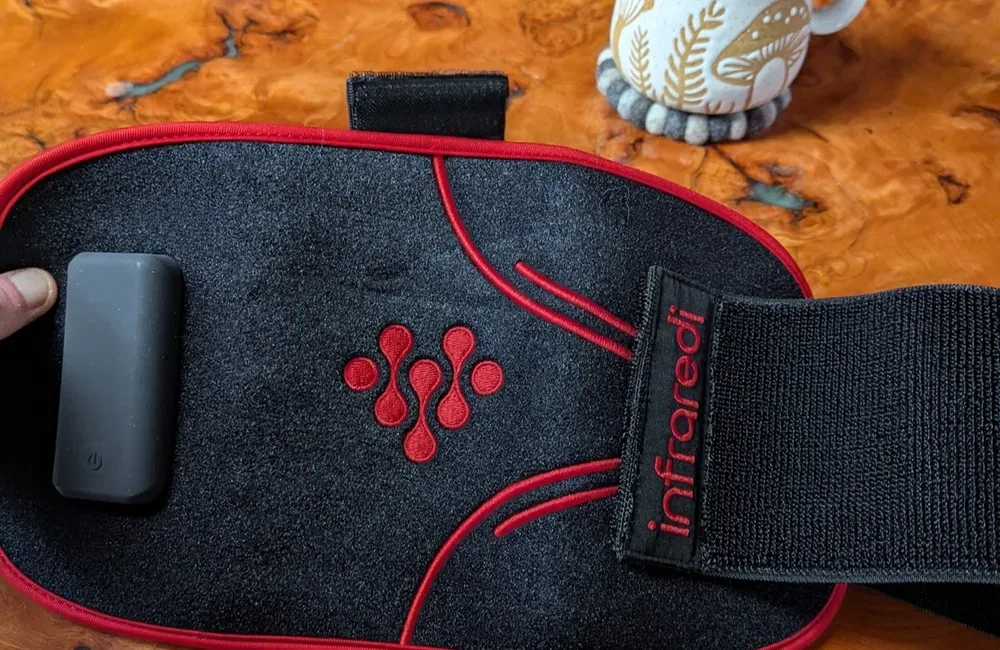
- Flexible wraps and pads: Highly recommended. Flexible neoprene wraps contoured with LED arrays strap directly around a dog's hip, knee, or back. They maintain direct contact with the skin, minimizing light scatter caused by thick fur.
- Targeted wands and flashlights: Practical for small spots such as an injured paw, a hot spot, or a small incision line.
- Standard LED panels: Best for systemic treatment or multi-pet households. If using a panel, keep your dog stationary 6 to 12 inches in front of the device. (For details on panel specifications, see my guide to the Best Red Light Therapy Panels).
3. Verified Irradiance (Power Density)
Look for a device with an irradiance of at least 30 to 80 mW/cm² at the treatment surface. Lower power devices require impractically long session times to deliver a therapeutic dose.
4. Low EMF and Zero Pulsed Thermal Risk
Ensure the unit is low-EMF and flicker-free to prevent unnecessary stress or visual discomfort for sensitive animals.
Top Recommended Red Light Therapy Devices for Dogs
If you are looking to purchase a reliable, therapeutic-grade device for your dog, here are the top-rated at-home pet red light therapy devices based on irradiance, wavelength accuracy, build quality, and value:
Quick Comparison: Best Dog Light Therapy Devices
| Device | Best For | Form Factor | Wavelengths | Price |
|---|---|---|---|---|
| Mito Pet Therapy Pad | Best Overall Quality & Power | Flexible Wrap | 660 nm & 850 nm | ~$199 |
| Hooga Pet Light Pad | Best Budget Option | Flexible Wrap | 660 nm & 850 nm | ~$109 |
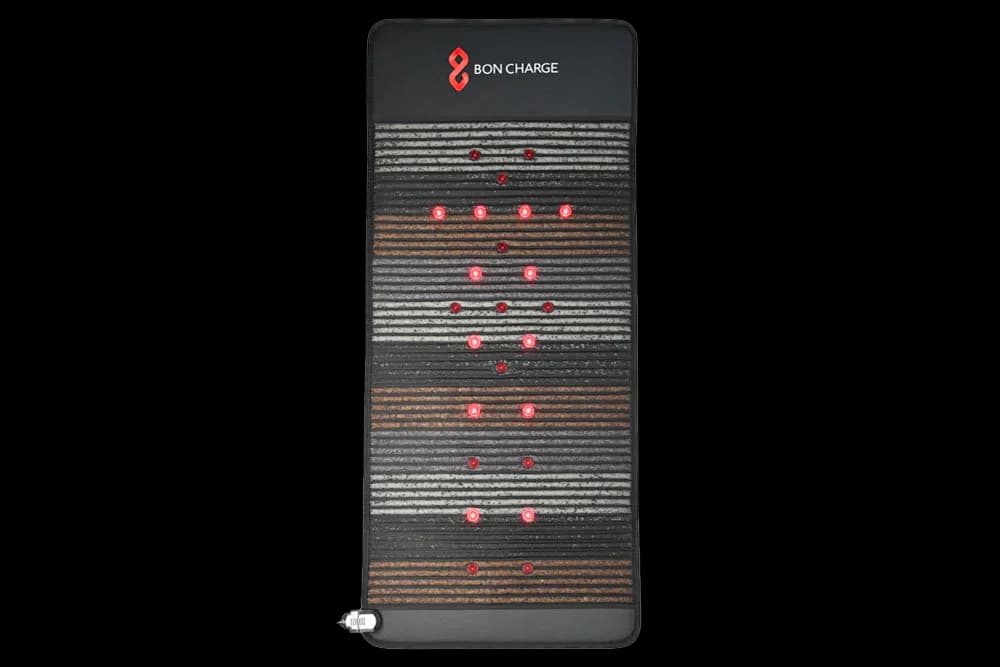
| Bon Charge Pet Belt | Best Premium / Low EMF | Water-Resistant Belt | 660 nm & 850 nm | ~$220 |
| LumaSoothe 2 Wand | Best Targeted Wand | Handheld Torch | Red & NIR Modules | ~$169 |
1. Mito Pet Therapy Pad: Best Overall
The Mito Pet Therapy Pad is our top recommendation for dog owners dealing with canine hip dysplasia, arthritis, or spinal stiffness. It features a flexible neoprene wrap contoured to fit comfortably around your dog's hips, back, or limbs, powered by a rechargeable battery pack for cord-free sessions while your dog rests.
- Wavelengths: 660 nm (Red) and 850 nm (NIR)
- Highlights: High-grade LEDs, battery pack included for cordless movement around pets, trusted clinical brand.
- Ideal for: Medium to large dogs needing joint pain relief or post-surgical leg recovery.
2. Hooga Pet Light Therapy Wrap: Best Value
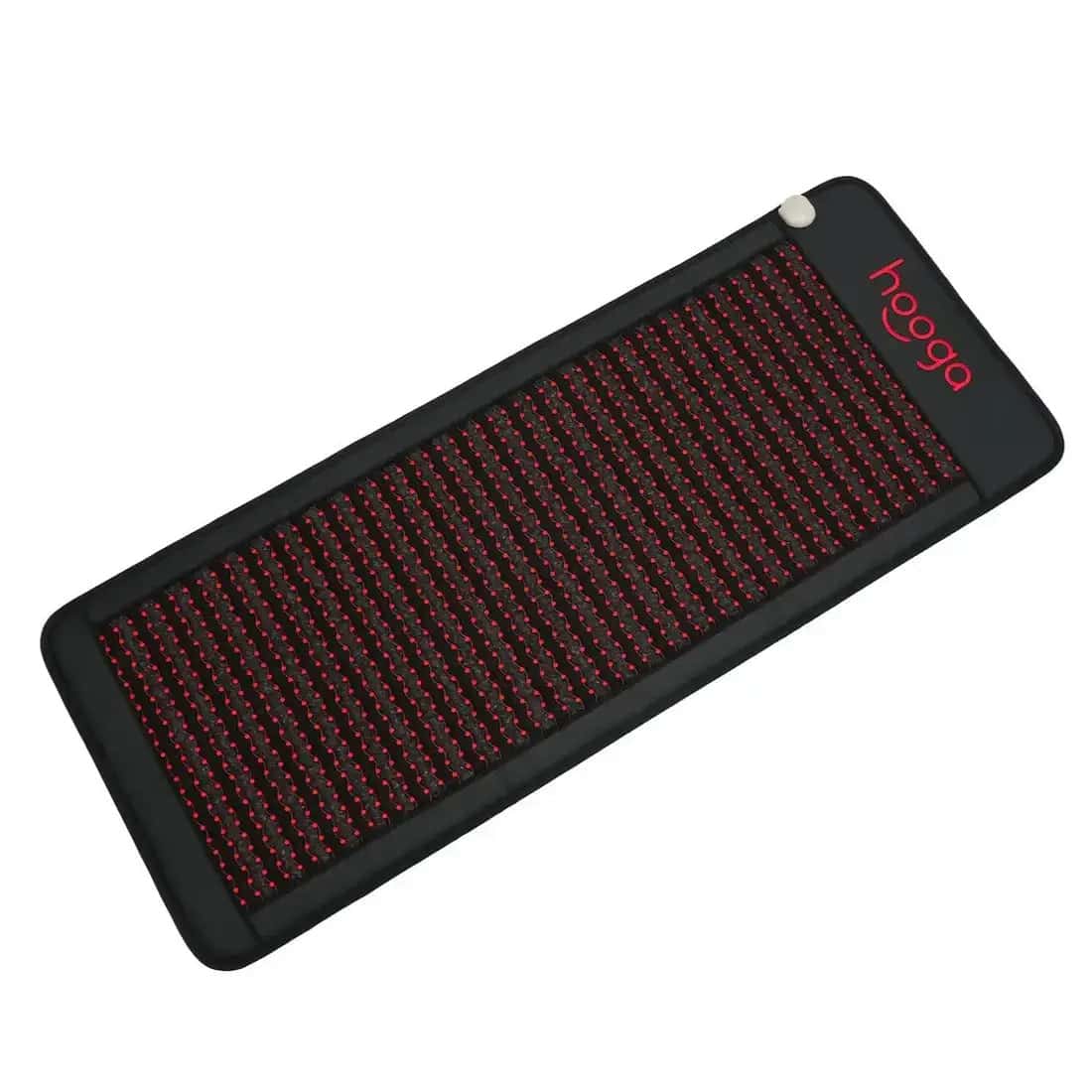
For pet owners seeking a solid light pad under $150, the Hooga Pet Light Therapy Wrap delivers strong power density and dual-spectrum light at an accessible price point.
- Wavelengths: 660 nm (Red) and 850 nm (NIR)
- Highlights: Affordable, lightweight, includes adjustable Velcro straps for target area placement.
- Ideal for: Budget-conscious pet owners testing red light therapy for the first time.
3. Bon Charge Pet Red Light Therapy Belt: Best Premium Low-EMF
The Bon Charge Pet Belt offers premium build quality with lab-tested zero EMF output and a protective water-resistant cover, making it easy to wipe clean of pet hair and saliva.
- Wavelengths: 660 nm (Red) and 850 nm (NIR)
- Highlights: Low-EMF design, easy-to-clean hygienic surface, deep penetration for large joint areas.
- Ideal for: Pet owners wanting a durable, hygienic wrap.
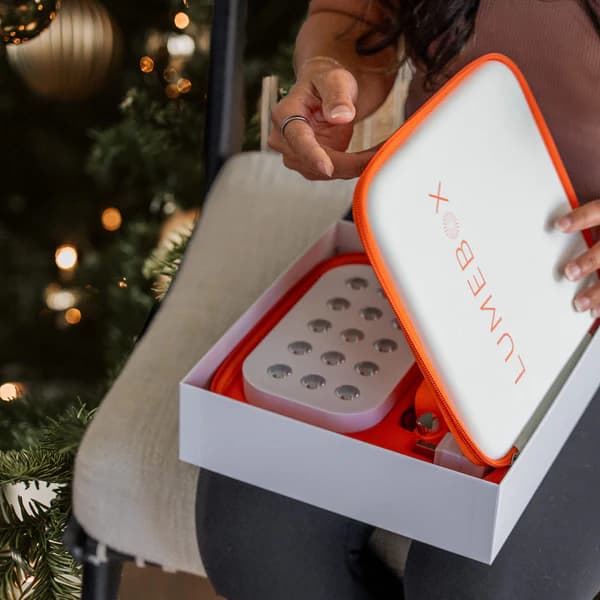
4. LumaSoothe 2 Pet Therapy Wand: Best Targeted Handheld
If your dog has a localized issue, such as an injured paw, hot spot, chronic ear inflammation, or a small surgical incision, the LumaSoothe 2 offers a handheld torch design with interchangeable light heads for targeted treatment.
- Wavelengths: Surface Red and Deep Near-Infrared interchangeable heads
- Highlights: Handheld ergonomics, easy spot treatment, ideal for small dogs or targeted areas.
- Ideal for: Spot-treating paws, ears, skin hot spots, or small dogs.
Step-by-Step At-Home Treatment Protocol for Dogs
+-----------------------------------------------------------------------------------+
|                        CANINE DOSING & STEP-BY-STEP PROTOCOL                      |
+-----------------------------------------------------------------------------------+
|  1. INTRODUCE DEVICE  --> Let dog sniff powered-off device with positive reward.  |
|  2. PREP COAT         --> Part dense fur or apply flexible wrap directly to skin.|
|  3. DOSING TIMING     --> 10-15 minutes per region (30-50 J/cm² total dose).    |
|  4. FREQUENCY         --> Loading: 3-5x/week (Wks 1-3) | Maintenance: 1-2x/week.  |
+-----------------------------------------------------------------------------------+
Adjusting Dose for Dog Coat Density
Fur acts as an optical filter that scatters light photons. Adjust your protocol based on coat type:
- Short and Single Coats (e.g., Boxers, Dobermans, Beagles): Standard dosing applies because light easily reaches the dermal layer.
- Thick and Double Coats (e.g., Golden Retrievers, Huskies, German Shepherds): Part the fur over the target joint prior to treatment, or gently press a flexible red light therapy pad for dogs into the fur so light diodes touch the skin directly. Add 2 to 3 minutes to the session duration to account for photon attenuation.
- Dark Fur: Melanin in dark or black fur absorbs more surface light. Keep sessions at standard intensity and monitor skin temperature under the wrap to ensure comfort.
Initial Dosing Schedule
- Loading Phase (Weeks 1 to 3): Treat the affected joint or area for 10 to 15 minutes, 3 to 5 times per week.
- Evaluation (Week 4): Assess your dog's gait, stair navigation, and willingness to play.
- Maintenance Phase (Week 4+): Once mobility improves, transition to 1 to 2 sessions per week for ongoing joint health.
Safety Precautions for Pet Owners
While infrared light for dogs is safe, adhere to these practical clinical guidelines:
- Eye Protection: Avoid shining high-intensity red or near-infrared light directly into your dog's eyes. If treating the neck, shoulders, or face, position the light away from the eyes or cover their eyes gently with your hand.
- Cancer and Active Tumors: Do not apply photobiomodulation directly over known or suspected malignant tumors, as ATP stimulation could support cell growth in neoplastic tissue.
- Pregnancy: Avoid applying near-infrared light over the abdomen of pregnant dogs.
- Heat Monitoring: Check the skin under flexible wraps every 5 minutes to ensure the device does not trap excessive body heat.
For a foundational understanding of light therapy dosing principles, consult my Red Light Therapy Beginners Guide.
Frequently Asked Questions
Is red light therapy safe for dogs?
Yes. Red light therapy (photobiomodulation) is a non-invasive, drug-free, non-thermal therapy with zero documented toxic side effects when used within recommended guidelines. Care should be taken to avoid shining bright LED light directly into your dog's eyes.
How often should I do red light therapy on my dog?
For acute injuries or chronic arthritis flare-ups, start with 3 to 5 sessions per week for 10 to 15 minutes per target area. Once mobility improves (typically within 2 to 4 weeks), taper down to a maintenance schedule of 1 to 2 times per week.
Can I use my human red light therapy panel on my dog?
Yes, standard red light therapy panels emitting 660 nm (red) and 850 nm (near-infrared) wavelengths are safe and effective for dogs. However, flexible red light therapy pads or wraps specifically designed for pets are often easier to apply directly to a dog's joints or spine.
Does red light penetrate dog fur?
Red light (660 nm) and near-infrared light (850 nm) penetrate light or short coats easily. For dogs with thick double coats, long fur, or dark pigmentation, part the fur or press a flexible light therapy pad directly against the skin to ensure maximum photon absorption.
What is the difference between veterinary laser therapy and at-home red light therapy for dogs?
Veterinary laser therapy uses high-power Class IV coherent lasers that require professional supervision to prevent thermal tissue damage. At-home red light therapy uses non-coherent LED diodes that deliver gentle, thermal-safe photobiomodulation for daily or weekly home care.
Clinical Summary and References
Canine red light therapy is a clinically validated, non-invasive intervention that gives pet owners practical ways to manage joint pain, speed up post-surgical healing, and improve mobility in aging dogs. By combining proven 660 nm and 850 nm wavelengths with consistent dosing and proper coat management, you can safely improve your dog's quality of life from home.
Disclaimer: I am a Certified Athletic Therapist and Holistic Nutritionist, not a veterinarian. This article is for educational purposes. Always consult with your primary veterinarian before initiating new rehabilitation or therapeutic protocols for your pet.
Scientific Citations and Studies
- Photobiomodulation Therapy in Veterinary Medicine: Frontiers in Veterinary Science, "Mechanisms and Applications of Photobiomodulation in Canine Osteoarthritis and Soft Tissue Healing." PMID: 31211182
- Canine CCL Post-Surgical Recovery: Journal of the American Veterinary Medical Association (JAVMA), "Effects of Low-Level Light Therapy on Surgical Wound Healing and Pain Management in Dogs Following TPLO."
- Mitochondrial Mechanisms of PBM: Photomedicine and Laser Surgery, "Biphasic Dose Response in Photobiomodulation: Cellular ATP and Nitric Oxide Pathways." PMID: 19747034tps://pubmed.ncbi.nlm.nih.gov/19747034/)