As a Certified Athletic Therapist and clinical researcher, patients regularly ask me which biohacking tools work. In this Orion red light therapy review, I evaluate the clinical efficacy, build quality, and physiological benefits of their device lineup. I test these modalities in my practice to separate marketing hype from genuine tissue recovery.
Orion Red Light Therapy devices deliver solid photobiomodulation. I regularly see these panels yield tangible recovery results in my clinical practice. For patients looking to support tissue repair and cellular health, Orion is a clinical-grade option.
Introduction to Orion Red Light Therapy
Orion Red Light Therapy uses specific wavelengths of red (660nm) and near-infrared (850nm) light to reach dermal and subcutaneous tissues. In my private clinic, I use these wavelengths to support cellular repair for everything from acute muscle strains to chronic skin conditions.

The mechanism relies on photobiomodulation (PBM). Concentrated light penetrates the skin and is absorbed by the mitochondria, stimulating the production of adenosine triphosphate (ATP). When evaluating these panels, I look for high irradiance to ensure sufficient ATP upregulation. You can read our infraredi red light therapy review to compare baseline performance metrics.
By supporting mitochondrial respiration, red light therapy boosts cellular energy and aids the body's natural healing processes. Orion panels deliver this energy without the thermal damage associated with UV exposure.
Clinical Benefits of Orion Red Light Therapy

Patients often report systemic improvements after starting regular red light therapy. Orion devices perform well for tissue repair and localized inflammation.
For skin health, the 660nm wavelength stimulates fibroblast activity to support collagen production. This improves skin elasticity and calms inflammatory conditions like acne or rosacea. Red light therapy helps strengthen the skin barrier over time.
In my practice, pain relief and muscle recovery are common use cases. Athletes report faster recovery from delayed onset muscle soreness (DOMS) when using Orion panels post-training. The red light therapy benefits for healing extend to joint mobility and chronic discomfort.

Supporting circulation and speeding recovery matter for post-injury rehab. Orion's near-infrared wavelengths help improve localized blood flow, bringing oxygen and nutrients to recovering tissues.
Orion Red Light Therapy Devices

Orion offers several device sizes. Choosing the right panel depends on your clinical or at-home recovery goals. I advise patients to prioritize medical-grade LEDs and strong irradiance output.


1. The Orion Pro 2.0 Series

The Orion Pro 2.0 series is their main lineup, ranging from the compact Pro 300 2.0 to the full-body Pro 1800 2.0. These panels use 5-watt LEDs. This high power output supports deep tissue penetration, reaching muscle bellies and joint capsules.
Dual switches let you isolate red or near-infrared light depending on your protocol. I frequently recommend the Pro 900 or Pro 1200 for patients needing half-body coverage.
2. Orion Edge 2.0 Compact Models
For patients who travel, the Orion Edge 2.0 provides portable red light therapy in a compact, battery-operated package. It delivers the same 660nm and 850nm wavelengths as larger panels, making it useful for targeted joint sessions like knees or elbows.
3. Orion Embers PEMF Mat
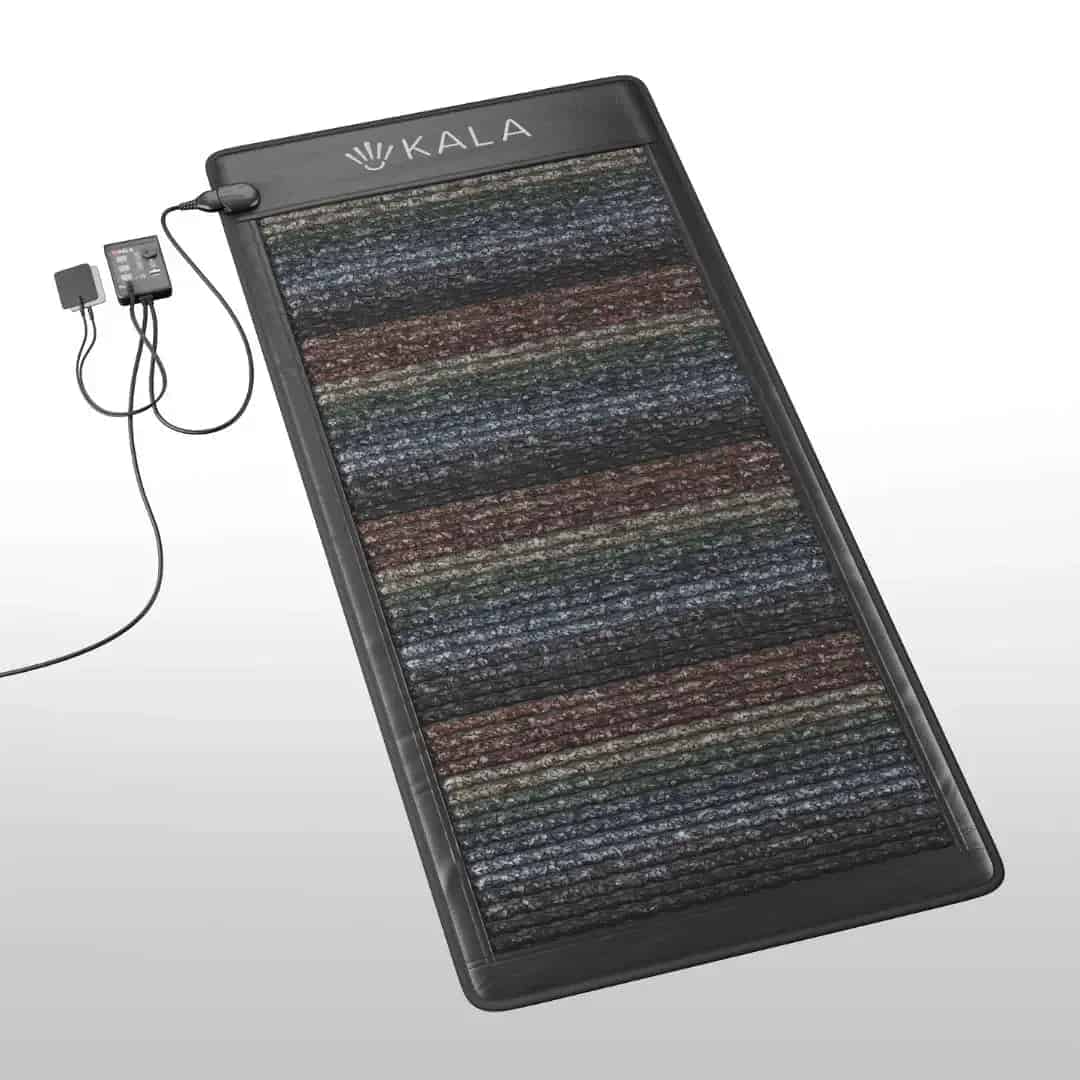
Orion Embers combines red light therapy with Pulsed Electromagnetic Field (PEMF) technology. I frequently discuss the benefits of electromagnetic fields with patients managing nervous system fatigue. This mat pairs well with the best red light therapy panels by offering a recovery option that addresses both cellular energy and nervous system relaxation.
Key Specifications Comparison
| Feature | Orion Pro 2.0 Series (300 to 1800) | Orion Edge 2.0 Compact | Orion Embers PEMF Mat |
|---|---|---|---|
| LEDs | Medical-grade 5-watt LEDs | High-power LEDs | Integrated LEDs |
| Wavelengths | Red (660nm) & Near-Infrared (850nm) | Red (660nm) & NIR (850nm) | Red (660nm) & NIR (850nm) |
| Coverage | Targeted to Full-Body | Targeted | Full-Body |
| Control | Dual Red & NIR switches | Simple On/Off | Multi-mode controller |
| Cooling | Internal fans | Passive | Integrated |
| Portability | Moderate (panel size varies) | High (handheld, wire-free) | Low (mat) |
| Special Feature | Modular bracket design | Battery-operated | PEMF Technology |
Pros & Cons of Orion Red Light Therapy
Pros:
- 5-watt diodes provide solid irradiance and tissue penetration.
- Standard 660nm red and 850nm NIR cover superficial skin and deeper muscle layers.
- Independent switches allow separate control of red and NIR light.
- Heavy-duty steel and aluminum housing stands up to regular clinical use.
- Quiet cooling fans keep internal temperatures low without loud noise.
Cons:
- Clinical-grade power carries a higher upfront cost than entry-level gadgets.
- Full-body panels require dedicated floor or door hanging space.
- Meaningful cellular changes require consistent daily sessions.
Incorporating Orion Into Your Daily Routine
Consistency drives results. I instruct patients to use their Orion device daily for 10 to 15 minutes per treatment area. Cells have a saturation threshold, so longer sessions do not produce better outcomes.
For skin protocols, position yourself 6 to 12 inches from the panel on clean, bare skin. Drink a glass of water before and after each session to support hydration and cellular metabolism.
For deep tissue recovery, run the near-infrared setting. Morning sessions work well to support natural circadian rhythms. Avoid heavy near-infrared exposure right before bedtime if you find it stimulating.
Always wear the included eye protection during facial sessions. If you take photosensitizing medications, check with your physician before starting photobiomodulation.
The Clinical Verdict on Orion
The clinical research supporting photobiomodulation continues to grow. As more studies show red light therapy benefits for joint health and inflammation, high-output home panels have become standard recovery tools.
If you are managing chronic joint discomfort, recovering from workouts, or supporting skin health, the Orion Pro 2.0 series is a dependable, well-built option that delivers proven wavelengths and strong output.
Related Clinical Resources
- Check out my comparative analysis on Platinum LED Therapy Lights.