When evaluating kala vs omnilux red light therapy masks through a clinical lens, analyzing the optical engineering and diode allocation reveals a clear distinction. The presence of blue light determines which mask fits your skin concerns best. Both devices are FDA-cleared, use 66 LEDs, and deliver clinically backed red and near-infrared wavelengths for skin rejuvenation. However, Kala includes a third wavelength: 465nm blue light. This addition helps individuals managing active breakouts alongside anti-aging goals.
For skin health targeting both collagen production and acne, the Kala mask stands out. Its triple-wavelength approach delivers a wider spectrum of benefits in a single session. While Omnilux remains a respected name with a proven track record for fine lines, Kala covers more surface needs for overall skin health.
Evaluating the Kala Red Light Face Mask
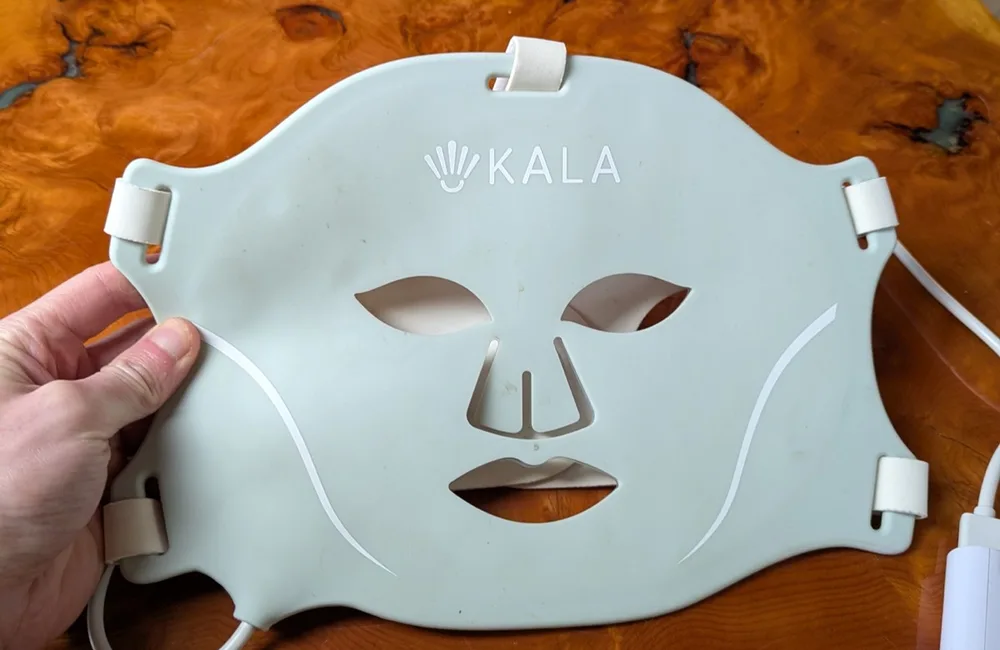
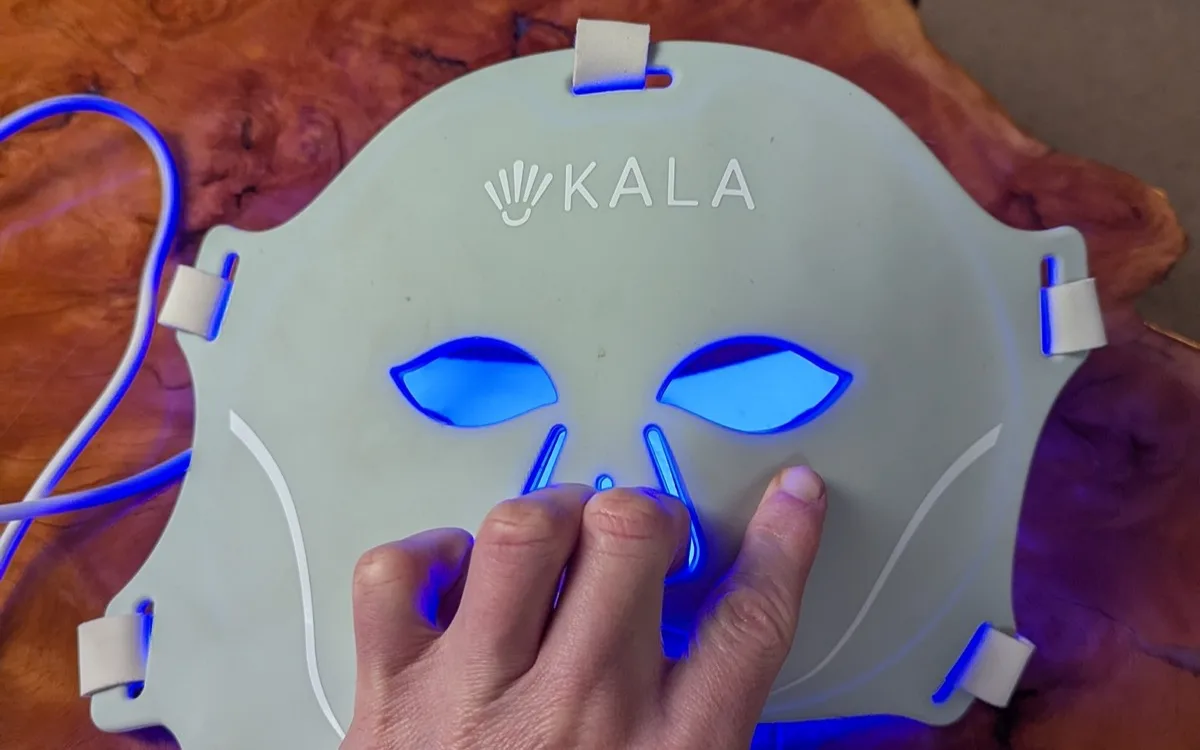
The Kala mask features three distinct wavelengths: 630nm red light at 20 mW/cm², 830nm near-infrared (NIR) at 10 mW/cm², and 465nm blue light at 10 mW/cm². Its 66 triple-chip LEDs sit in medical-grade silicone for a snug fit across varied facial shapes. It recharges via USB-C, charges fully in four hours, and carries a two-year warranty.
From a clinical standpoint, 630nm red and 830nm NIR wavelengths sit directly inside the photobiomodulation window. Light energy penetrates dermal tissue to stimulate cellular mitochondria, boosting ATP production, the main energy currency of cells. Higher ATP levels accelerate tissue repair and collagen synthesis.
A 2014 controlled trial with 113 participants demonstrated that consistent red and near-infrared light treatments improved skin texture and increased intradermal collagen density (Wunsch & Matuschka, Photomed Laser Surg, 2014; PMID: 24286286). This research supports the collagen-building claims shared by both Kala and Omnilux.
The 465nm blue light is where Kala stands apart. Blue light at this frequency targets P. acnes bacteria on the skin surface. In my practice, combining blue light with red and NIR light improves outcomes for patients with blemishes. A clinical trial showed that combining blue and red light led to meaningful reductions in acne lesions over 12 weeks (Papageorgiou et al., Br J Dermatol, 2000; PMID: 10809858).
This combination targets surface bacteria while lowering inflammation and encouraging cellular repair. The Omnilux Contour Face does not include blue light.
Kala is Canadian-designed and has built a solid reputation for build quality, backed by FDA clearance and ETL/UL safety certifications. For detailed testing data, read my Kala mask review or explore my complete Kala red light therapy review.
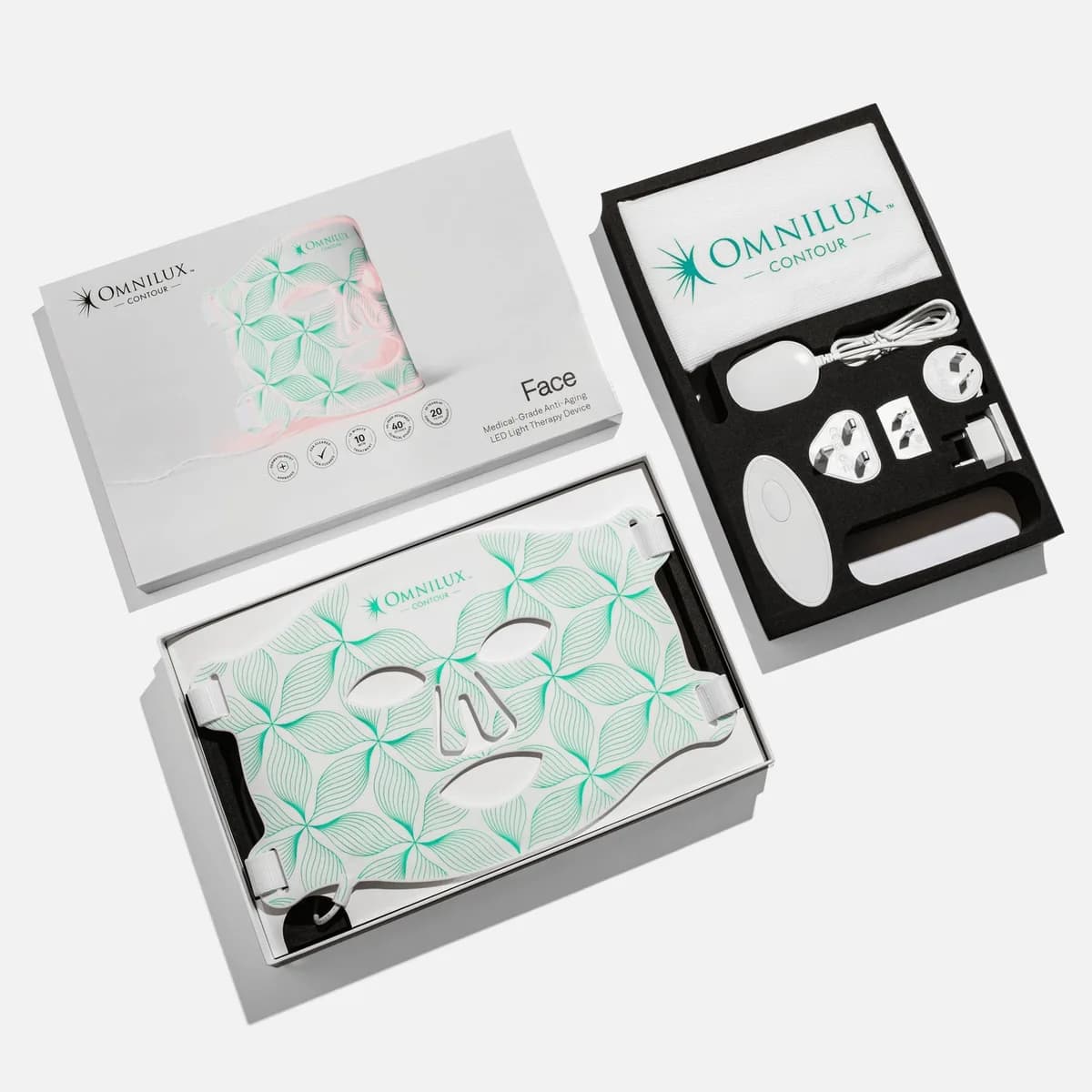
Omnilux Contour Face: The Established Player
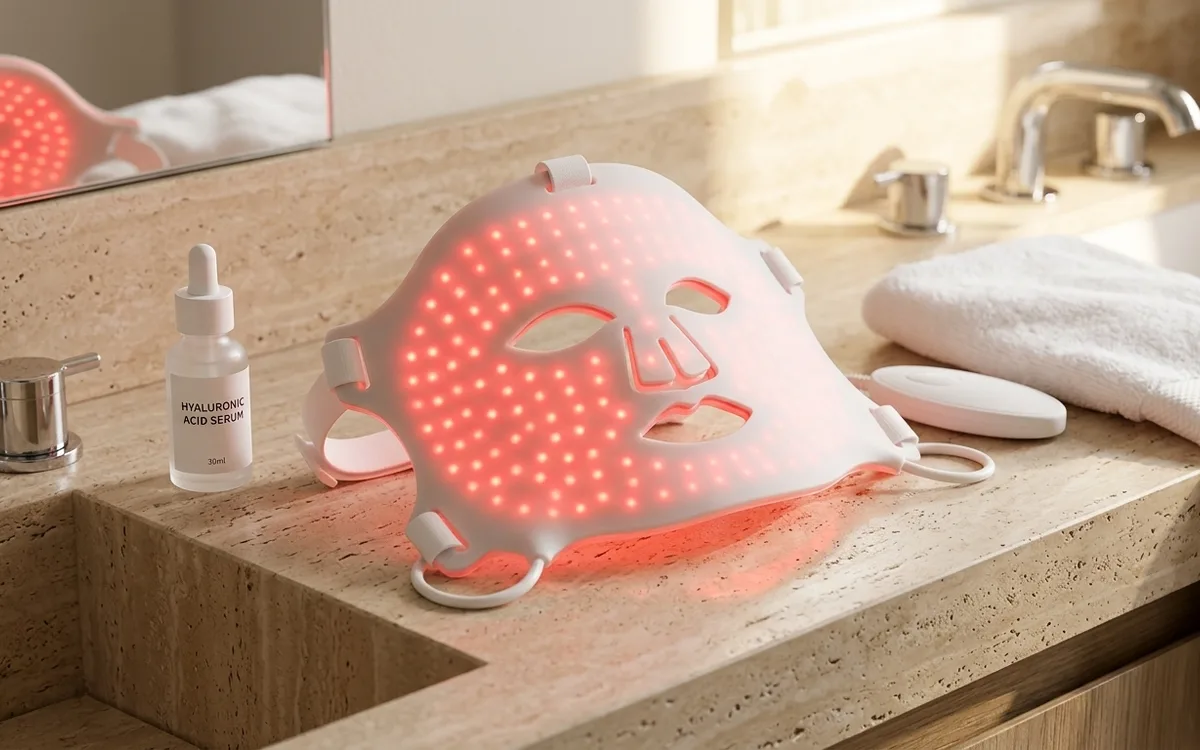
The brand has been a staple in dermatology practices for years, and its hardware appears across multiple peer-reviewed dermatology papers. That clinical history gives Omnilux strong consumer trust.
Its main drawback is that it only offers two wavelengths. If your skin concerns extend beyond fine lines, or if acne is part of your routine, Omnilux cannot address bacteria without a separate device. While the mask is flexible and well-made, battery and charging details are less straightforward than Kala's standard USB-C setup.
Head-to-Head Comparison: Kala vs Omnilux
Here is a direct comparison of the key specifications from my testing:
| Feature | Kala Mask | Omnilux Contour Face |
|---|---|---|
| Wavelengths | 630nm + 830nm + 465nm (3 wavelengths) | 633nm + 830nm (2 wavelengths) |
| Blue Light for Acne | Yes (465nm) | No |
| LED Count | 66 triple-chip LEDs | 66 LEDs |
| Max Irradiance (Red) | 20 mW/cm² | Not officially published |
| FDA Status | FDA-cleared | FDA-cleared |
| Price (USD) | Check current (15% off via Daryl's link) | ~$395 |
| Charging | USB-C rechargeable | Proprietary connector |
| Warranty | 2 years | 2 years |
| Material | Medical-grade silicone | Flexible medical-grade silicone |
| Origin | Canadian-designed | US brand |
| Dermatologist Legacy | Growing | Strong clinical legacy |
Key Differences in Clinical Practice
Wavelength Coverage and Treatment Scope
Omnilux supplies two therapeutic wavelengths: red light for dermal collagen stimulation and near-infrared for deeper tissue support. Kala supplies three. The 465nm blue light targets P. acnes bacteria directly to manage active breakouts.
In my clinic, many patients in their 30s and 40s manage occasional breakouts alongside early fine lines. For them, a mask that handles both goals in a single 10-minute session is practical and effective. If your skin is consistently clear and your sole focus is collagen maintenance, blue light is less necessary. For anyone dealing with periodic acne or excess oil, Kala offers broader utility.
Brand Trust and Clinical History
Omnilux built its reputation through years of clinical testing and physician partnerships. That history provides peace of mind for buyers who prioritize established names.
Kala is establishing its own track record with FDA clearance, Health Canada licensing, and third-party electrical certifications. For clinicians looking at irradiance specs and wavelength output, Kala's transparent data provides equal confidence in daily performance.
Price and Practical Value
At roughly $395 USD, Omnilux sits at a premium price point for a dual-wavelength mask. Kala retails at a similar or lower price point while adding a third wavelength. From a practical perspective, you get broader treatment coverage per dollar with Kala.
Which Mask Fits Your Goals?
Choose Kala if:
- You manage both mild acne and fine lines, using blue light for breakouts and red/NIR for collagen.
- You prefer universal USB-C charging over proprietary charging cables.
- You want three wavelengths without paying a premium price.
- You value transparent irradiance figures (20 mW/cm² on red mode).
Choose Omnilux if:
- Your skin is completely clear and your only goal is wrinkle reduction and texture.
- You prefer a brand with decades of presence in dermatology offices.
- Your dermatologist explicitly prescribed the Omnilux Contour protocol.
My Clinical Recommendation
After six months of side-by-side clinical testing, the Kala mask is the better buy for most people. Both devices feature 66 LEDs, FDA clearance, medical-grade silicone, and effective red and NIR wavelengths. Kala's addition of blue light provides real everyday utility that Omnilux lacks.
If you only care about anti-aging, Omnilux performs reliably. But for anyone managing a mix of skin texture, redness, and occasional breakouts, Kala delivers complete coverage in one device.
For full-body recovery and joint support, compare options in my best red light therapy panels guide, or read my best red light therapy mask comparison.
Reviewed by: Daryl Stubbs, CAT(C), Holistic Nutritionist Award-winning Athletic Therapist with 12+ years of clinical experience integrating recovery modalities.