In clinical discussions, individuals frequently ask for targeted ways to manage stubborn blemishes and localized skin irritation. This review evaluates the Kala red light therapy wand and examines whether it belongs in your daily recovery routine. Analyzing Kala's Pro Panel, Face Mask, and clinical device lineup provides a solid reference point for evaluating their hardware quality and clinical parameters.
The Kala Red Light Therapy Wand is a focused skincare tool. It combines 630nm red light and 415nm blue light to target active breakouts and surface inflammation. If you want a precise acne treatment tool without buying a full-face mask, this wand offers a practical, science-backed option.
Key Specs at a Glance
| Spec | Detail |
|---|---|
| Wavelengths | 630nm (red) + 415nm (blue) |
| LED type | Dual-chip |
| Weight | 58.5g |
| Treatment cycle | 12 minutes (auto shutoff) |
| Charging | Included charging stand + storage case |
| Best use | Targeted acne spots, chin, cheeks, jawline |
| Certification | FDA-cleared, Health Canada approved |
| Origin | Canadian-designed (Kala Therapy Inc.) |
How the Kala Wand Works: Wavelength Mechanics
The Kala wand combines 630nm red light and 415nm blue light to address skin blemishes from two different angles:
The 630nm red light penetrates the outer layers of the skin, where it interacts with cytochrome c oxidase in mitochondria to increase ATP production. This cellular energy boost calms surface redness, speeds up tissue repair, and supports local microcirculation.
The 415nm blue light operates right at the surface to target Cutibacterium acnes, the bacteria linked to inflammatory breakouts. These bacteria produce light-sensitive porphyrins. When exposed to 415nm blue light, porphyrins absorb the photon energy and trigger a reaction that neutralizes the bacteria without harming surrounding healthy skin.
This dual-wavelength pairing is well documented in clinical research. A controlled trial by Papageorgiou et al. (2000) found that combining blue (415nm) and red (660nm) light significantly improved acne over 12 weeks compared to single-light modalities (Br J Dermatol, 2000; PMID: 10809858). Kala's 630nm and 415nm array falls right into this validated range.
The wand is designed for direct skin contact and features an automatic 12-minute shutoff timer to standardize treatment duration.
Design and Build Quality
Weighing 58.5g, the wand is light and easy to hold. Ergonomics matter when you need to maintain contact for a 12-minute treatment session without arm fatigue.
Kala uses medical-grade housing with smooth contact surfaces that clean easily. The included charging stand and protective case keep the device upright and shield the charging contacts from wear.
Wavelength Selection: 630nm Red and 415nm Blue
Many light panels use 660nm for deeper red penetration. Kala chose 630nm red for this wand, which keeps the light concentrated in the epidermal and upper dermal layers where acne inflammation develops.
The 415nm blue light specifically targets bacterial porphyrins. Because blue light does not penetrate deeply, it acts right on the surface. While 415nm sits near the ultraviolet edge of the visible spectrum, it is non-ionizing visible light and does not carry UV radiation risks. Users should still avoid shining the light directly into the eyes.
How It Compares to the Kala Face Mask
Patients often ask how the wand compares with the Kala Red Light Face Mask. They are designed for different clinical purposes:
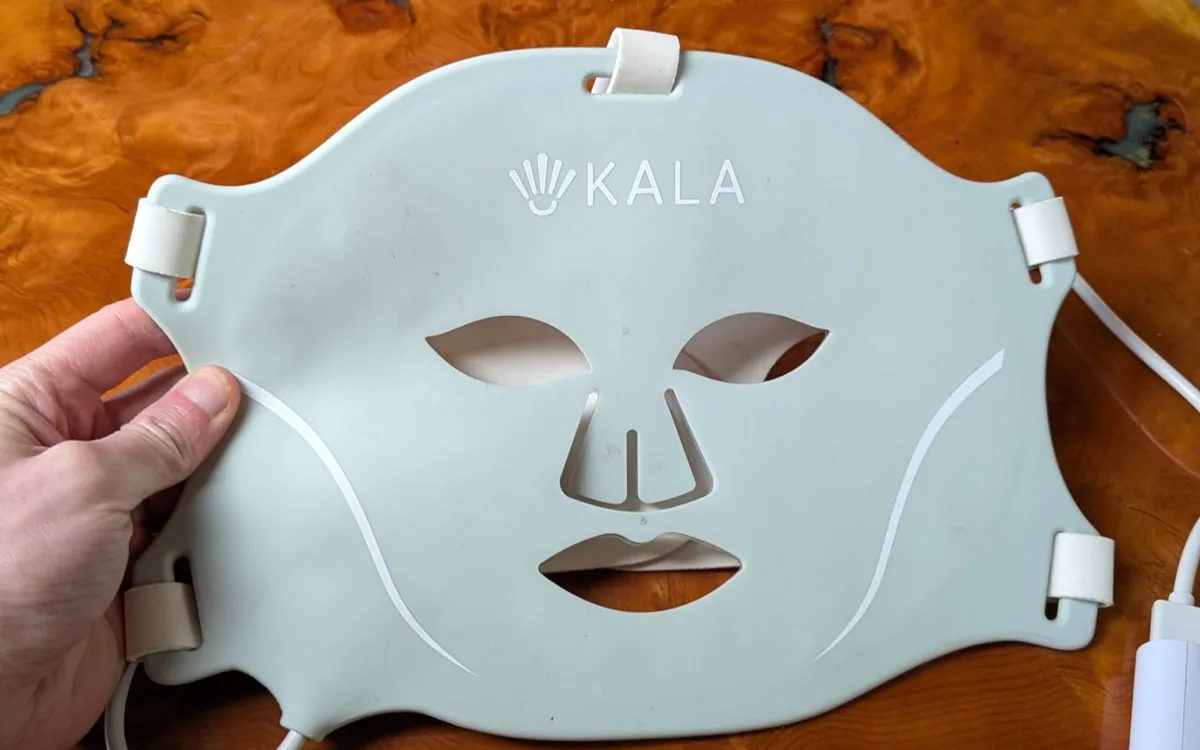
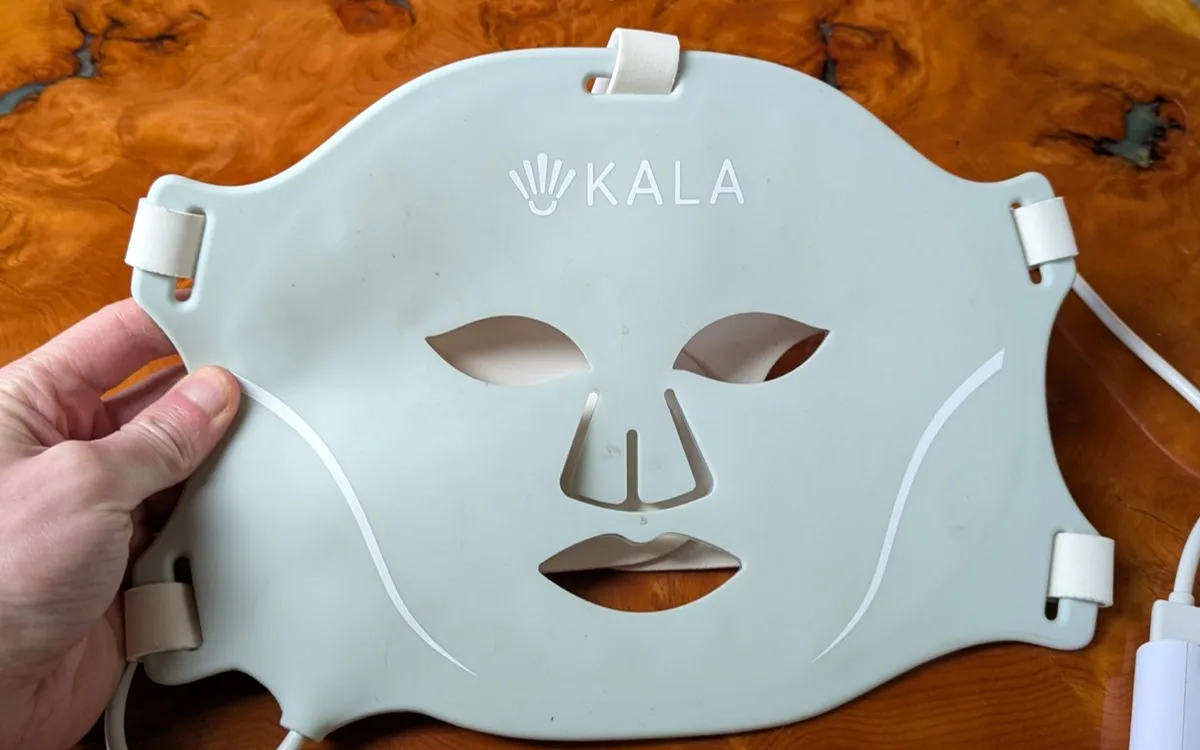
The Kala Face Mask provides broad full-face coverage using 66 triple-chip LEDs emitting 630nm (red), 830nm (near-infrared), and 465nm (blue) light. The 830nm near-infrared light reaches deeper dermal layers to stimulate collagen production and improve skin firmness.
The Kala Wand is designed for precision spot treatment. If you have an isolated breakout on your chin or jawline, the wand concentrates light directly on that area.
The wand is also much less expensive than a full mask, making it an accessible starting point for acne care. Read our [best red light therapy mask comparison](/blog/best-red-light-therapy-mask) for a broader view of full-coverage options.
"In my athletic therapy practice, I see patients dealing with stress-related skin flare-ups, specifically acne and redness that tracks with training load and recovery quality. The combination of 415nm blue and 630nm red in a targeted device like the Kala wand is sensible for these cases. You address the bacterial trigger and the inflammatory response in one session." Daryl Stubbs, CAT(C), Holistic Nutritionist
Pros and Cons
Pros:
- Dual-wavelength array combines 630nm red and 415nm blue light to target bacteria and inflammation simultaneously.
- Ultra-lightweight 58.5g build prevents wrist and finger fatigue during treatments.
- Built-in 12-minute auto-shutoff timer ensures consistent daily dosing.
- Comes with a dedicated desktop charging stand and travel storage case.
- Holds FDA clearance and Health Canada approval for verified electrical and optical safety.
- Lower price point than full-face masks or clinical panels.
Cons:
- Lacks near-infrared (NIR) wavelengths for deep collagen stimulation or muscle recovery.
- Small treatment window is not practical for treating diffuse or full-face skin concerns.
- Battery milliamp-hour capacity is not published by the manufacturer.
- Typically sold as a final-sale product.
Who Should Buy the Kala Wand
I recommend the Kala wand for individuals whose primary goal is treating active acne and localized redness on the chin, cheeks, or jawline.
It also serves as a handy spot-treatment companion if you already own a full-face mask or panel.
Who Should Skip It
If your main priorities are wrinkle reduction, collagen synthesis, or deep joint therapy, skip the wand. Without near-infrared wavelengths (like 830nm or 850nm), this device cannot reach the deeper tissue layers required for anti-aging or muscle recovery. You will get better results from a mask or panel.
Clinical Verdict
The Kala Red Light Therapy Wand is a focused tool built for a specific job. For targeted acne management and localized surface irritation, its 630nm red and 415nm blue LEDs deliver a practical, evidence-based treatment.
The device carries FDA and Health Canada clearances, giving buyers confidence in its safety and manufacturing standards. For full reviews of their panels and mats, see my Kala brand review.
"I recommend the Kala wand to patients who want a starting point: something simple, daily, and targeted. The 12-minute protocol is easy to stick to, which matters more than device sophistication for most people. Consistency over 8 to 12 weeks is where acne research shows real improvement." Daryl Stubbs, CAT(C), Holistic Nutritionist
Related Clinical Resources
- Recommended Guide: Read my full, hands-on review of the best red light therapy panels for deeper clinical insights.
- Related Review: Check out my comparative analysis on the Kala Vs Currentbody.