As a Certified Athletic Therapist and clinical nutritionist, I look closely at how hydration impacts metabolic pathways. The kidneys filter metabolic waste from the blood, and maintaining their function is essential for long-term health and physical recovery.
Clients frequently ask about the evidence for hydrogen water in supporting renal function, managing Chronic Kidney Disease (CKD), and stabilizing creatinine or glomerular filtration rate (GFR).
Below is a breakdown of what current scientific research shows about molecular hydrogen (H2) and kidney health.

The Role of Oxidative Stress in Kidney Damage
Chronic Kidney Disease and acute kidney injury (AKI) are closely tied to oxidative stress and sustained inflammation.
The kidneys are highly metabolic organs requiring large volumes of oxygenated blood. This makes renal tissues sensitive to reactive oxygen species (ROS), especially cytotoxic hydroxyl radicals. When ROS outpace the body's natural antioxidant defenses, they damage the delicate capillary beds of the glomeruli, causing a gradual decline in filtration capacity (GFR).
Because molecular hydrogen is small and neutral, it passes easily into the mitochondria of renal cells. It acts as a selective antioxidant, neutralizing destructive hydroxyl radicals without interfering with normal physiological signaling.
What the Research Shows: GFR and Creatinine
Most current evidence demonstrating the renoprotective properties of H2 comes from animal models and early-stage human observations:
- Mitigating acute kidney injury: Research in Kidney International shows that hydrogen gas or hydrogen-rich water reduces renal ischemia-reperfusion injury. In these trials, hydrogen administration helped preserve GFR and prevented sharp spikes in blood urea nitrogen (BUN) and serum creatinine.
- Slowing diabetic nephropathy: In models of diabetic kidney disease, molecular hydrogen down-regulated inflammatory cytokines and helped limit renal fibrosis (scarring of kidney tissue).
- Clinical observations in humans: Preliminary studies on patients undergoing hemodialysis show that using hydrogen-enriched dialysate reduces systemic oxidative stress and helps stabilize blood pressure. Early reports also note improvements in creatinine clearance when individuals consume high-concentration hydrogen water consistently.
Equipment Quality and Water Purity
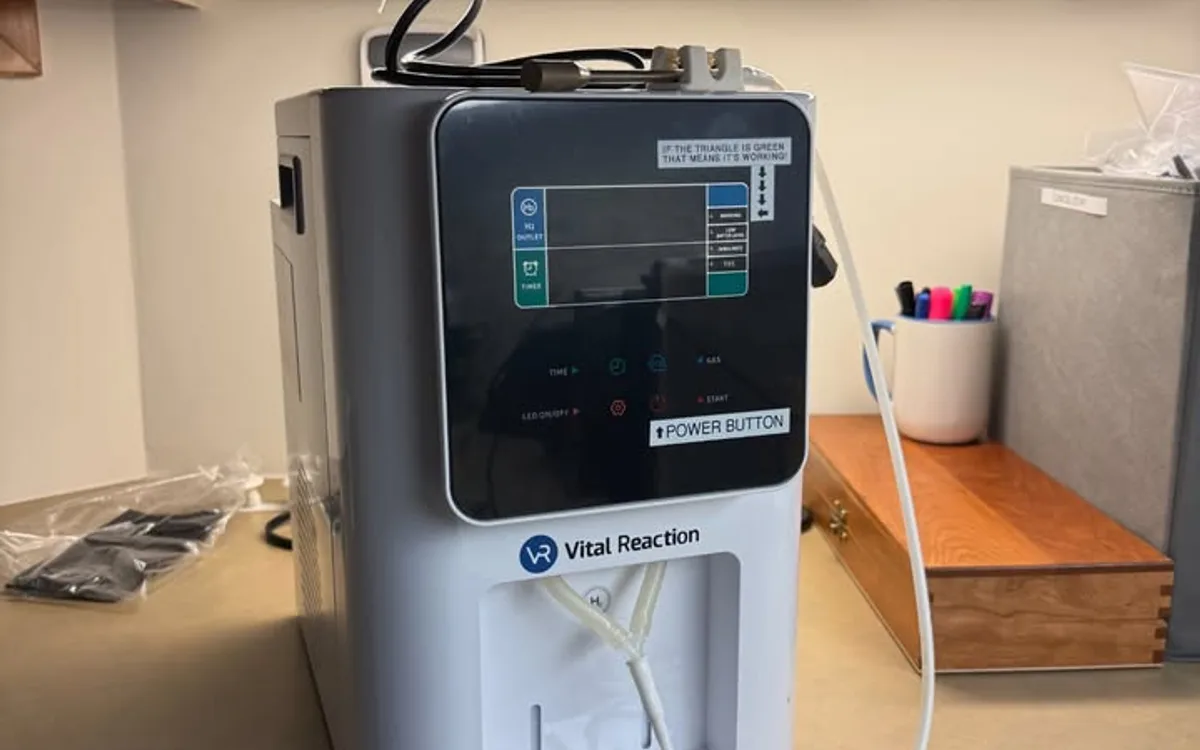
When drinking hydrogen water for renal support, water purity is essential. The kidneys filter waste from your circulation. Drinking from poorly built generators with uncertified electrodes can leach heavy metals like nickel or copper and introduce trace ozone or chlorine byproducts.
Choose devices that use SPE/PEM (Solid Polymer Electrolyte / Proton Exchange Membrane) technology to isolate and vent byproducts cleanly:
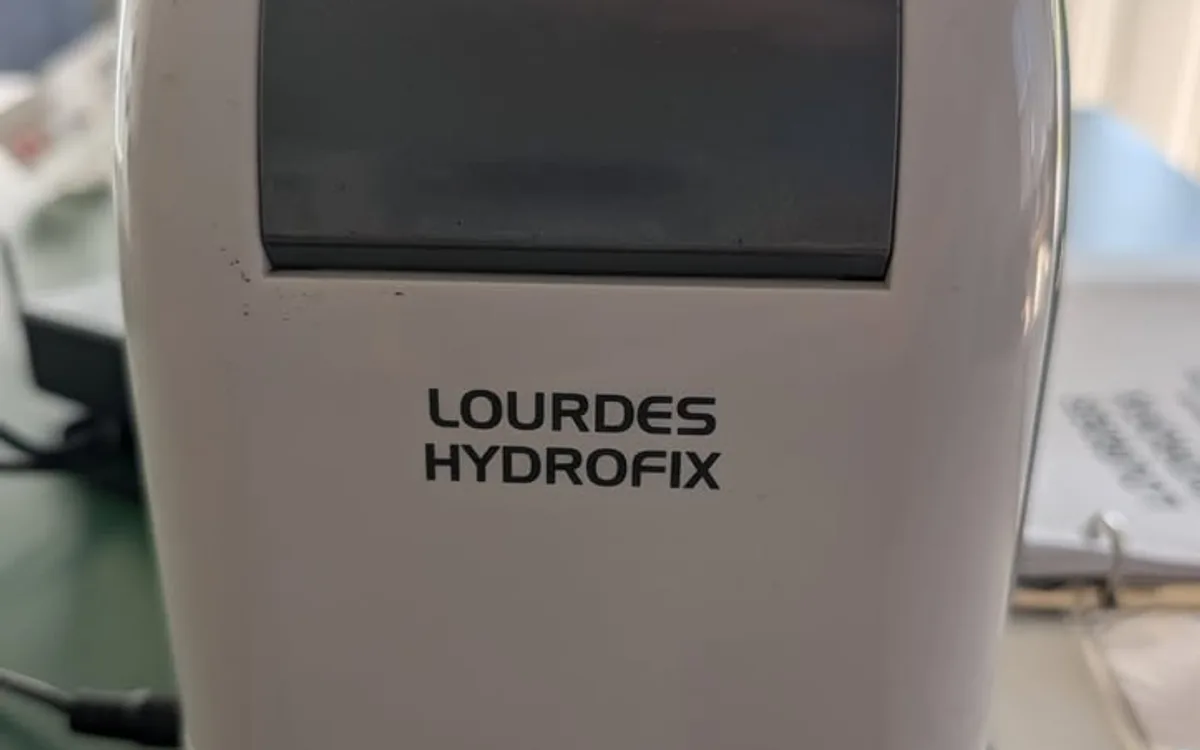
- For an independently tested countertop generator, see my Lourdes Hydrofix Review.
- For portable certified options, read my Echo Water Review or my comprehensive guide to the best hydrogen water bottles.
Dosing Guidelines for Renal Support
For general health and recovery, 1 to 3 liters of hydrogen water daily is typical. If you are managing Chronic Kidney Disease (CKD), consider these factors:
- Fluid restrictions: Individuals with stage 4 or stage 5 CKD are often on strict fluid allowances. Hydrogen water must be counted within your daily prescribed volume.
- Intake tracking: Use the interactive Hydrogen Water Calculator to determine your volume and confirm you are getting therapeutic concentrations (1.0 to 1.6+ ppm) without exceeding fluid guidelines.
Disclaimer: I am a Certified Athletic Therapist and Holistic Nutritionist, not a nephrologist. Kidney disease requires medical supervision. Consult with your nephrologist or primary physician before modifying your fluid intake or starting new hydration protocols.
References and Research
- Nature Medicine: "Hydrogen acts as a therapeutic antioxidant by selectively reducing cytotoxic oxygen radicals." PMID: 17486089
- Kidney International: "Hydrogen gas ameliorates renal ischemia-reperfusion injury." PMID: 19865070