In clinical discussions, individuals frequently ask how to optimize their recovery protocols using the Kala red light therapy frequency chart. As a Certified Athletic Therapist and clinical researcher, I evaluate evidence-informed tools designed to support tissue repair and sleep quality. The Kala Pro Panel incorporates advanced frequency options with its Pulse Recovery+ modes, particularly the 292 Hz and 586 Hz settings.
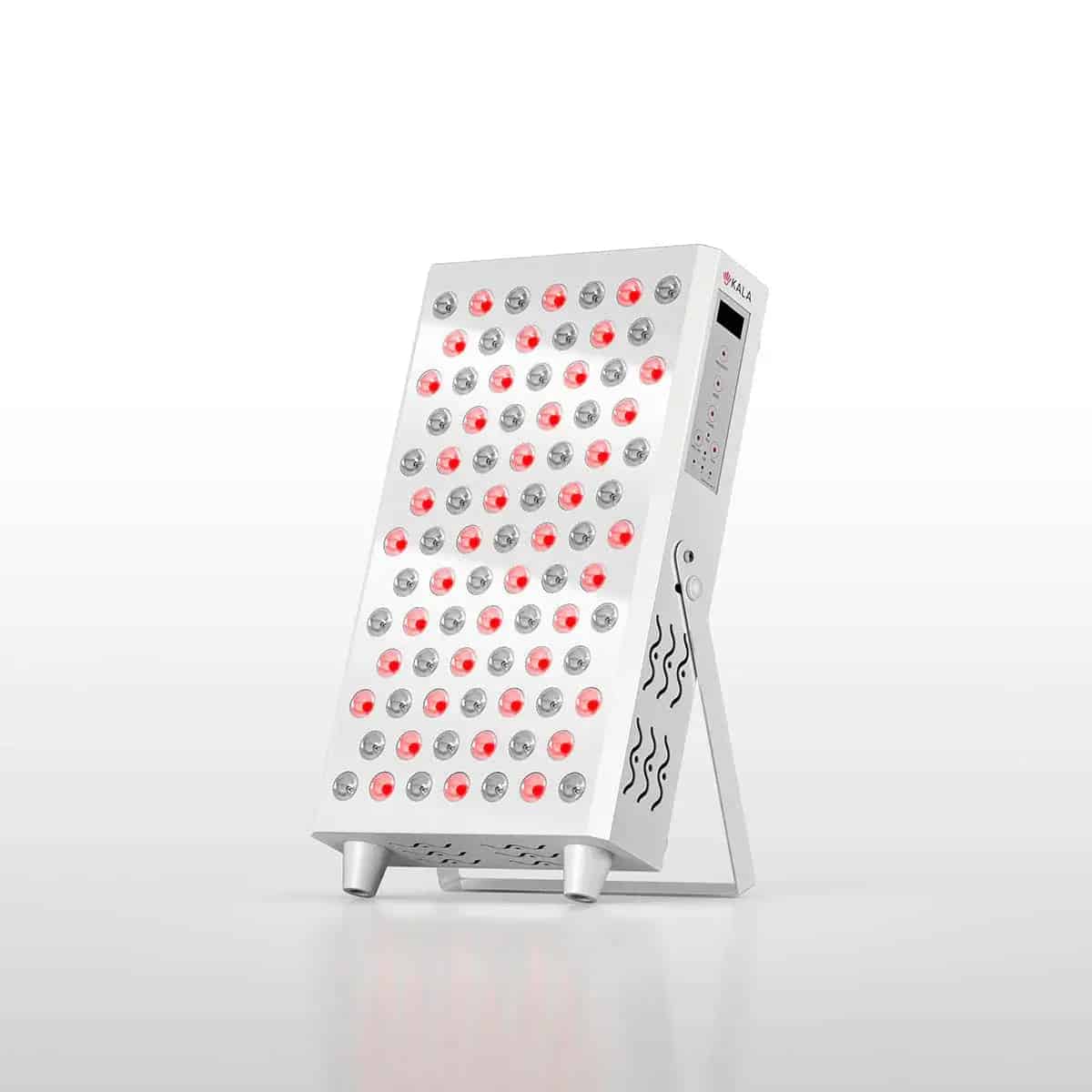
Kala Pro and Elite Panel Specifications
Here is an overview of the panels offering these frequency features. I use the Kala Pro Panel regularly in my clinical work:
| Feature | Kala Pro Panel | Kala Elite Panel |
|---|---|---|
| Wavelengths | 660nm (Red), 850nm (NIR) | 660nm (Red), 850nm (NIR) |
| Irradiance | >100 mW/cm² @ 6 inches | >100 mW/cm² @ 6 inches |
| Frequencies | Continuous, 292 Hz, 586 Hz, Custom (3 to 64+ Hz) | Continuous, 292 Hz, 586 Hz, Custom (3 to 64+ Hz) |
| Control | Digital Dash | Digital Dash |
| Dimensions | 24.5" x 8.7" x 2.5" | 36" x 8.7" x 2.5" |
| Weight | 14 lbs | 21 lbs |
| Mounting | Door hook, stand (optional) | Door hook, stand (optional) |
| Warranty | 3 Years | 3 Years |
| Return Policy | 60-Day Trial | 60-Day Trial |
The Kala Red Light Therapy Frequency Chart Explained
The Kala Pro and Elite panels feature Pulse Recovery+ technology, delivering pulsed light at specific frequencies measured in hertz (Hz). At 292 Hz, the light pulses 292 times per second. While imperceptible to the human eye, this rapid pulsing elicits distinct cellular responses compared to continuous light.
Here is the reference chart for the Kala Pro and Elite panels:
| Frequency / Mode | Type | Target Benefits | Recommended Session Time |
|---|---|---|---|
| Standard RED/NIR | Continuous | Skin health, general wellness, muscle recovery, collagen production | 10 to 20 min |
| 292 Hz | Pulsed (Pulse Recovery+) | Anxiety, sleep quality, chronic pain, depression, wound healing | 10 to 15 min |
| 586 Hz | Pulsed (Pulse Recovery+) | Depression, anxiety, chronic pain, insomnia, seasonal affective disorder (SAD) | 10 to 15 min |
| Custom Hz | User-set (3 to 64+ Hz range) | Personalized protocols: dial in your own frequency via digital dash | 10 to 20 min |
These settings are exclusive to the Pro and Elite panels. The Kala Mini 2.0 operates in standard continuous mode only and lacks the digital dash required for Pulse Recovery+ modes.
What Each Frequency Does
Understanding the mechanism behind each frequency helps maximize your clinical outcomes.
Standard RED/NIR: Continuous Mode
In continuous mode, the panel delivers a steady stream of 660 nm red light and 850 nm near-infrared (NIR) light. The 660 nm wavelength acts on the skin's surface to stimulate collagen production and calm superficial inflammation. The 850 nm NIR wavelength penetrates deeper into muscle tissue, joints, and connective tissue.
Both wavelengths stimulate cytochrome c oxidase within the mitochondria, increasing ATP production and supporting cellular energy (de Freitas & Hamblin, IEEE J Sel Top Quantum Electron, 2016; PMCID: PMC5215870). I recommend continuous mode for daily maintenance and general post-workout recovery. A typical protocol is 15 minutes in continuous RED+NIR mode, positioned 6 to 8 inches from the panel.
292 Hz: Pulse Recovery+ Mode
The 292 Hz mode pulses the light 292 times per second. Kala positions this frequency for sleep quality support, anxiety relief, chronic discomfort, and wound healing. I use this setting frequently after demanding physical training or long clinical days.
Rhythmic pulsing helps entrain the nervous system toward a calm state. Clients who incorporate 292 Hz evening sessions regularly report falling asleep faster and waking up more refreshed. For chronic joint stiffness, pulsed light helps manage discomfort without tissue overheating. A 10 to 15 minute session 2 to 3 hours before bed works best.
586 Hz: Pulse Recovery+ Mode
The 586 Hz setting targets seasonal low mood, persistent sleep difficulties, and joint stiffness. Seasonal affective issues are common during darker winter months in northern climates.
This higher-frequency pulsing interacts with cellular signaling pathways differently than lower frequencies. While clinical research isolating specific Hz values for mood continues to develop, patient feedback has been favorable for morning use during winter months. Always treat light therapy as a complementary tool alongside professional medical care.
Custom Hz: Setting Your Own Frequency
The Kala Pro and Elite panels allow you to set custom frequencies from 3 Hz up to 64+ Hz on the digital dash. This provides flexibility for practitioners running specialized photobiomodulation protocols. For most home users, the preset 292 Hz and 586 Hz options cover standard recovery and sleep needs.
"The Pulse Recovery+ modes are what separate the Kala Pro from most panels I've tested, including my older Rouge units. Having a built-in 292 Hz setting means I don't need a separate device for sleep and pain protocols. I use the 292 Hz setting three to four evenings a week after long clinic days, and the improvement in sleep onset is noticeable."
Daryl Stubbs, CAT(C), Holistic Nutritionist
Try Kala Risk-Free: 15% Off + Free Shipping 15% off applied automatically through this link
How to Change the Frequency on the Kala Pro Panel
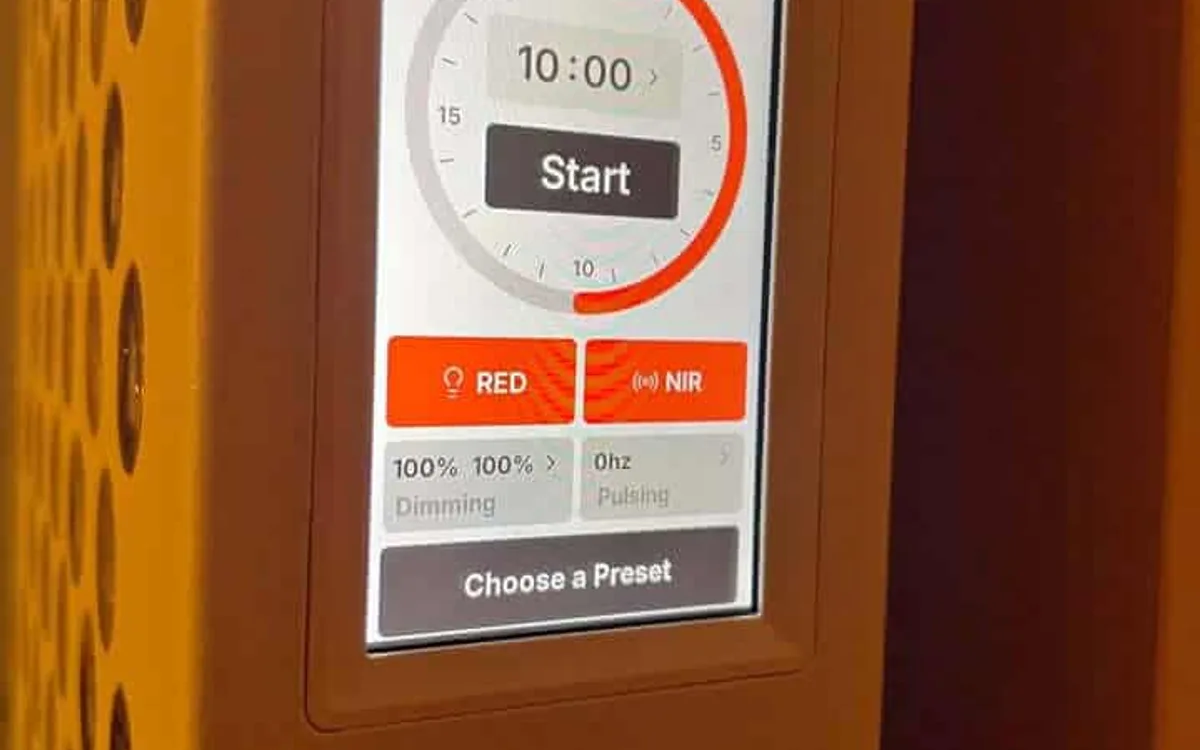
The Kala Pro features a straightforward digital dash interface:
- Power on the panel: Press the master power switch on the frame.
- Wake the digital dash: Tap the Power icon on the touchscreen menu.
- Select your light mode: Choose RED, NIR, or RED+NIR for full-spectrum output.
- Press Mode: This opens the pulsing settings.
- Press Frequency: Use the arrow buttons to scroll to 292 Hz, 586 Hz, or a custom value.
- Confirm your selection: Press confirm to start pulsing at the selected frequency.
- Set your timer: Choose 10, 15, or 20 minutes; the unit automatically turns off when the timer expires.
The panel resets to continuous mode when turned off, so you reselect pulsed mode at the start of each session.
Which Frequency Should You Start With?
If you are new to the Kala Pro Panel, start with standard RED+NIR continuous mode for the first two weeks. This lets your body adapt to the light intensity. Patients typically notice improvements in muscle recovery within 10 to 14 days.
After this initial baseline period, introduce one or two evening sessions per week at 292 Hz to support sleep quality. If you want morning light stimulation during winter months, test 586 Hz. Consistency remains the most important factor in photobiomodulation. A 2016 review in the Journal of Biophotonics confirmed that regular sessions yield the most reliable anti-inflammatory results (Ferraresi, Huang & Hamblin, PMCID: PMC5167494).
Summary Recommendations
- Continuous mode: Ideal for daily wellness, skin care, and standard post-exercise recovery.
- 292 Hz setting: Best for evening sessions, sleep onset, and localized joint aches.
- 586 Hz setting: Useful for seasonal winter blues and morning alertness.
Read our full Kala red light therapy review to see how the Pro Panel compares to other market options.
Strengths and Considerations
Strengths:
- Targeted Pulse Recovery+ modes (292 Hz, 586 Hz) for focused sleep and recovery routines.
- Intuitive digital dash controls for fast frequency changes.
- Custom Hz option for individualized protocols.
- Balanced dual wavelengths (660 nm Red, 850 nm NIR).
- High irradiance over 100 mW/cm² at 6 inches.
Considerations:
- Frequency pulsing is not available on the smaller Kala Mini 2.0.
- Panel resets to continuous mode after shutdown.
- Specific Hz research for mood disorders is an emerging area of study.
"After 12 years of clinical work, I've learned that recovery tools need to be simple enough to use consistently. The Kala Pro's digital dash takes the guesswork out of frequency selection: two taps and you're in pulsed mode. That accessibility matters more than having complex options that never get used."
Daryl Stubbs, CAT(C), Holistic Nutritionist
Get 15% Off Kala: Ships Free Across Canada & USA 15% off applied automatically through this link
Related Clinical Resources
- Recommended Guide: Read my review of the best red light therapy panels for clinical insights.
- Related Review: Check out my comparative analysis on the Kala Red Light Therapy Mask Review.