In my clinical practice, patients often ask how to optimize cellular recovery, which frequently leads to the Echo Flask vs HydroH comparison. As a Certified Athletic Therapist and clinical researcher, I evaluate wellness hardware based on laboratory data and patient outcomes.
The delivery mechanism dictates the clinical efficacy of any hydrogen protocol. I spent three months testing both of these hydrogen water bottles in my clinic, monitoring patient feedback, evaluating build quality, and reviewing independent laboratory data. Below is a direct comparison of the two devices.
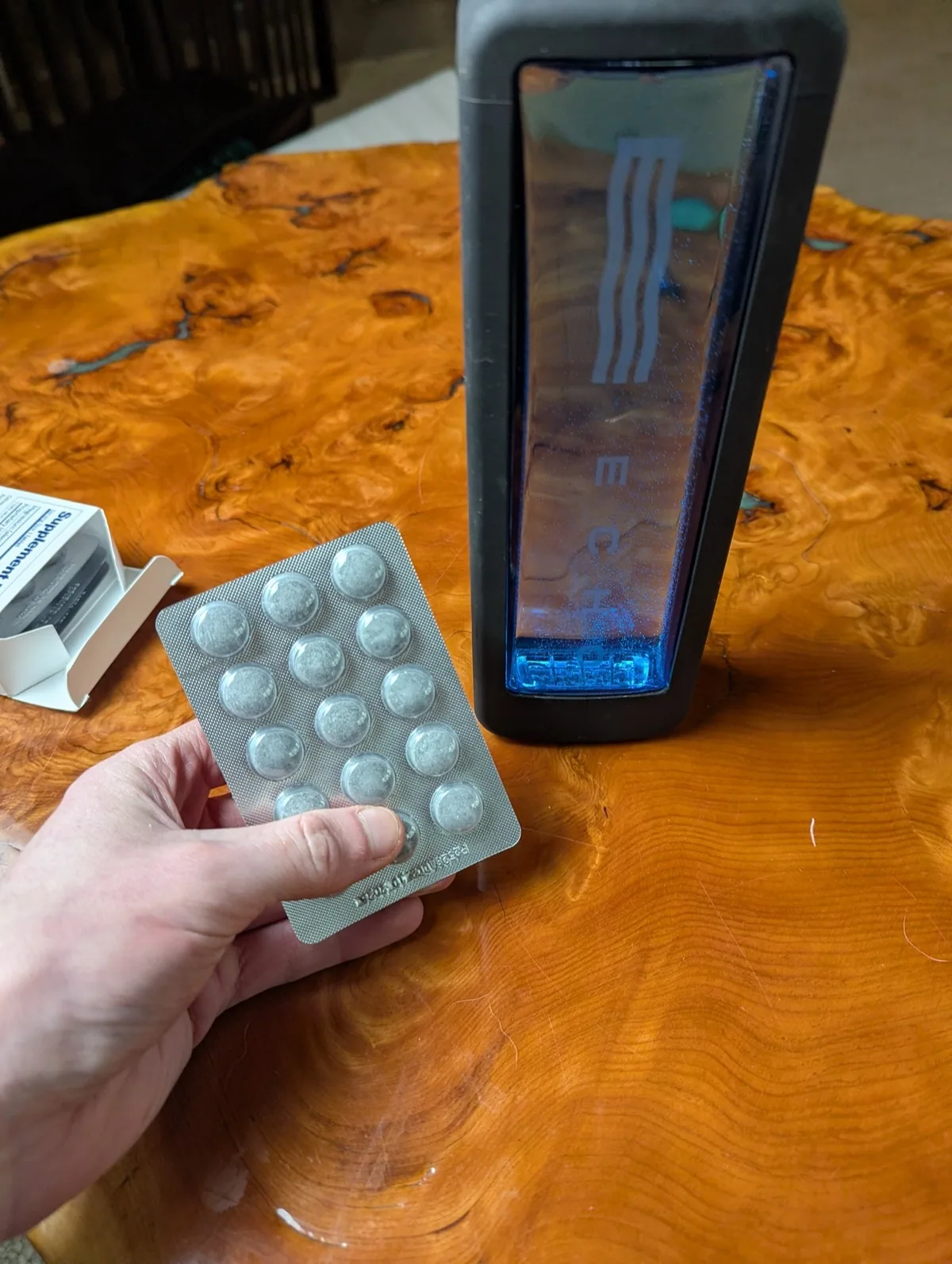
Echo Flask vs HydroH: Key Specifications
Here is how the hardware and performance metrics compare:
| Feature | Echo Flask | HydroH |
|---|---|---|
| Hydrogen (PPM) | 8.0 PPM | ~3 to 5 PPM |
| Technology | SPE/PEM Certified | Standard Electrolysis |
| Electrodes | Platinum-Coated Titanium | Standard Metal |
| Certification | H2 Analytics | None |
| Capacity | 12 oz (350 ml) | ~10 to 12 oz |
| Battery | 2000 mAh | Unknown |
| Smart Features | Bluetooth App | Limited |
| Self-Cleaning | Yes | Unknown |
| Warranty | 5 Years | 1 to 2 Years |
| Price | $299.99 | $150 to $250 |
| Manufacturing | Philippines | Unknown |
Hydrogen Output: Clinical Relevance
The concentration of dissolved molecular hydrogen (H2) is the most important metric when evaluating these bottles. In clinical rehabilitation, patients drinking higher concentrations of H2 show faster reductions in delayed onset muscle soreness (DOMS) and report clearer cognitive baseline function during recovery periods.
The Echo Flask produces up to 8.0 ppm during a 20-minute cycle. Its shorter 10-minute cycle yields 6.0 ppm. These figures are independently verified by H2 Analytics using gas chromatography, providing documented proof of dosage.
The HydroH claims 3 to 5 ppm. While this is higher than baseline tap water, it lacks independent lab verification. Without third-party data, actual output remains uncertain. The Echo Flask delivers up to 2.5 times higher concentration, providing a more reliable therapeutic dose.
Technology: Purity and Membrane Separation
Output numbers matter only if the water remains free of contaminants. The generation technology dictates whether byproducts enter your drinking water:
- Echo Flask: Uses Solid Polymer Electrolyte and Proton Exchange Membrane (SPE/PEM) technology paired with platinum-coated titanium electrodes. The PEM membrane acts as an impermeable barrier, directing pure molecular hydrogen into the water while venting ozone and chlorine through a bottom exhaust port. The platinum coating prevents electrode degradation.
- HydroH: Uses standard electrolysis without an isolated membrane. Older electrolysis setups carry a risk of generating ozone and chlorine directly into the drinking water, while uncoated metal electrodes degrade more quickly over repeated cycles.
Independent Certification
Third-party testing separates verified performance from marketing claims:
- The Echo Flask holds an official certification from H2 Analytics (Report H2AR-250116-1), confirming the 8.0 ppm output under laboratory conditions.
- HydroH offers no third-party test reports, relying on self-reported estimates.
Smart Features and Usability
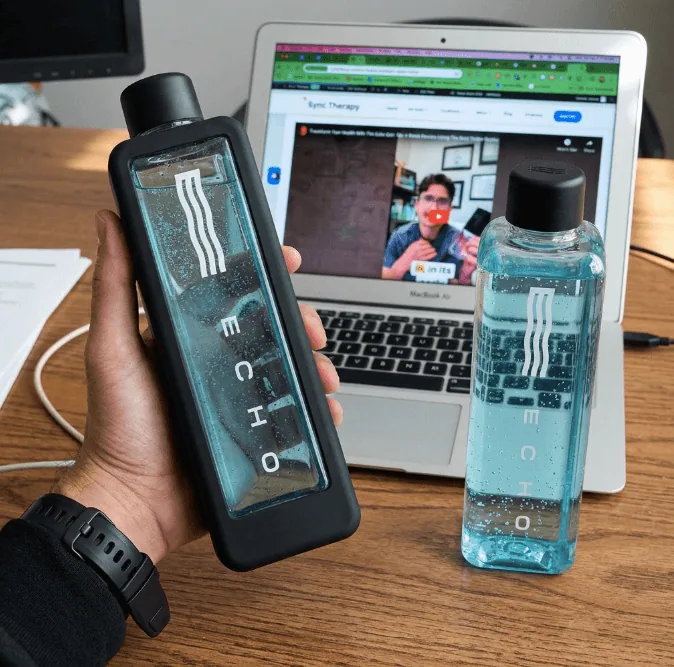
Daily usability influences how consistently someone uses a device:
- Echo Flask: Features Bluetooth connectivity and a companion mobile app for tracking daily hydrogen intake. It syncs with Apple Health and Google Health, includes an LCD touch interface, and has an automated self-cleaning cycle to prevent mineral and bacterial buildup.
- HydroH: Simple single-button unit without app tracking, health integrations, or automated cleaning cycles.
Warranty and Build Durability
A manufacturer's warranty reflects component reliability:
- Echo Water backs the Flask with a 5-year warranty, with optional Echo Care for accidental damage.
- HydroH provides a 1 to 2-year warranty, typical of budget consumer electronics.
Which Bottle Should You Choose?
Choose the Echo Flask if:
- You want the highest verified output (8.0 ppm) for athletic recovery
- You require third-party certification from H2 Analytics
- You track hydration and recovery metrics via smart apps
- You want SPE/PEM gas separation to prevent ozone and chlorine contamination
- You value a 5-year warranty and automated cleaning cycles
The HydroH may suit you if:
- You have a strict entry-level budget
- You want a basic, button-operated bottle without data tracking
- You are comfortable with unverified output estimates
Final Verdict
The laboratory data makes this comparison clear. The Echo Flask delivers higher hydrogen concentration, safer SPE/PEM technology, third-party certification, and a 5-year warranty.
The HydroH is an entry-level unit, but the absence of independent testing and membrane separation makes it less suitable for therapeutic recovery protocols. For measurable physiological support, the Echo Flask is the more reliable choice.
- → Echo Flask Review
- → Best Hydrogen Water Bottles
- → Hydrogen Water Benefits
- → Echo Flask vs Aqua Vital
Related Clinical Resources
- Check out my comparative analysis on the Echo Flask Vs Piurify.