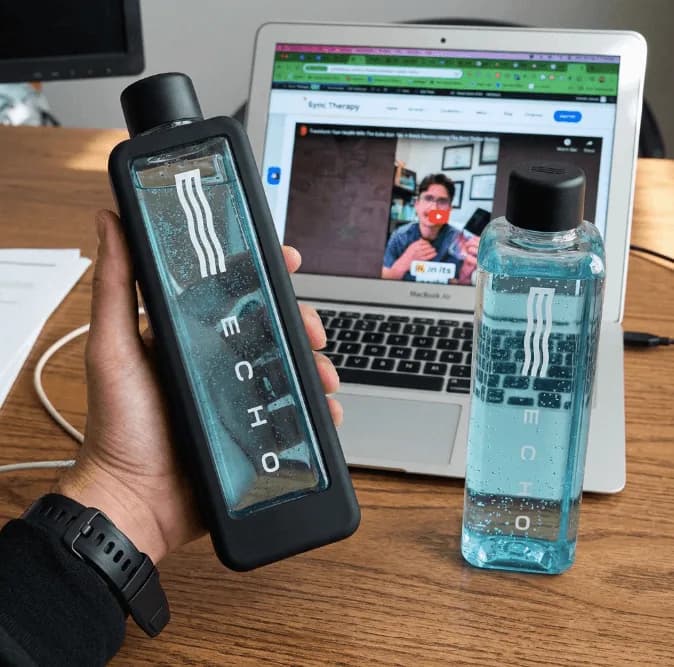
In my clinical practice, I remind patients that proper echo flask cleaning is the single most important habit for maintaining peak molecular hydrogen output. As a Certified Athletic Therapist and biohacking researcher, I evaluate hydration technology based on sustained clinical outcomes over time. If you want your bottle to keep delivering therapeutic 8 PPM hydrogen levels, you need a regular maintenance routine.
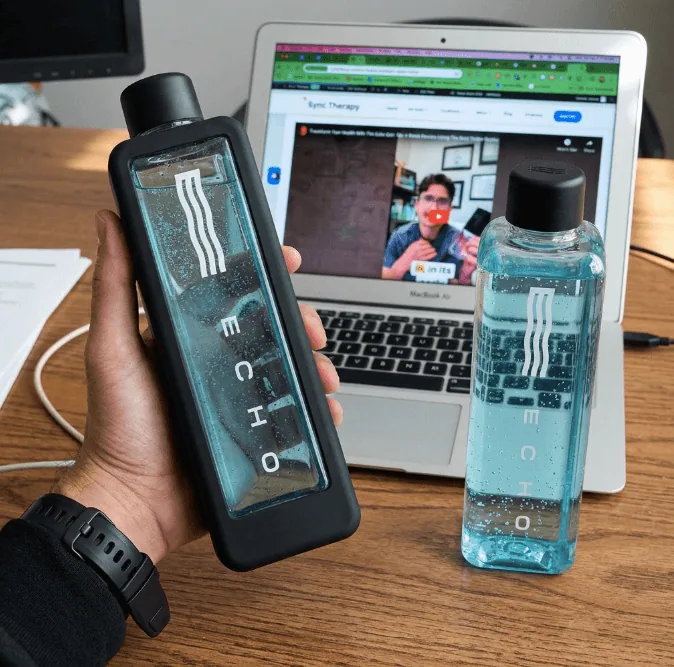
Patients often ask how to accelerate muscle recovery and lower systemic oxidative stress. Molecular hydrogen helps neutralize hydroxyl radicals, but the performance of the Echo Flask depends on its daily operating efficiency. When people notice their hydrogen water has lost its potency after several months, mineral buildup on the generator plate is almost always the cause.
The Science Behind Electrolysis: Why Cleaning Matters
The Echo Flask uses Solid Polymer Electrolyte (SPE) and Proton Exchange Membrane (PEM) technology. The system uses titanium electrode plates coated in medical-grade platinum to separate water into hydrogen and oxygen gas.
Over time, minerals from drinking water settle on these platinum plates. This mineral scale forms an insulating barrier that blocks the proton exchange process. When scale accumulates, hydrogen output drops from 8 PPM down to 2 or 3 PPM.
Mineral scale acts like plaque restricting flow. A scaled generator cannot deliver sufficient electrical current to saturate water with nano-bubbles. The visual clue is simple: if the dense, milky cloud of micro-bubbles turns sparse or large, the plates need descaling. A metallic or stale taste also points to mineral oxidation or biofilm buildup.
Echo Flask Maintenance Schedule
To keep your Echo Flask running at manufacturer specifications, use this routine:
| Cleaning Method | Frequency |
|---|---|
| Water rinse | Daily (after each use) |
| Soap wash (interior) | Weekly |
| Gasket cleaning | Weekly |
| Vinegar descaling + Clean Flask cycle | Monthly |
Cleaning the Inside of the Flask
The generator plate at the base of your flask conducts the electrolysis and requires careful maintenance.
Weekly Cleaning Routine
Wash the interior once a week with mild, non-toxic dish soap and warm filtered water. Use a soft, flexible silicone bottle brush (around 1 inch in diameter) to clean the bottom without scratching the platinum-coated titanium plates.
Rinse thoroughly with warm water. Any leftover soap residue interferes with electrolysis and alters the water's pH. Never use wire or abrasive brushes on the interior chamber.
Monthly Deep Cleaning and Descaling
Descaling removes the calcified mineral buildup that restricts hydrogen production:
- Fill the Flask with 1/3 white vinegar and 2/3 warm distilled water. Use standard 5% distilled white vinegar.
- Let it soak for 1 to 2 hours. The mild acetic acid dissolves mineral scale safely without harming the platinum coating.
- Rinse thoroughly with clean water.
- Fill with filtered water and run the "Clean Flask" cycle from the menu. This cycle reverses electrode polarity to push away remaining microscopic mineral debris from the PEM membrane.
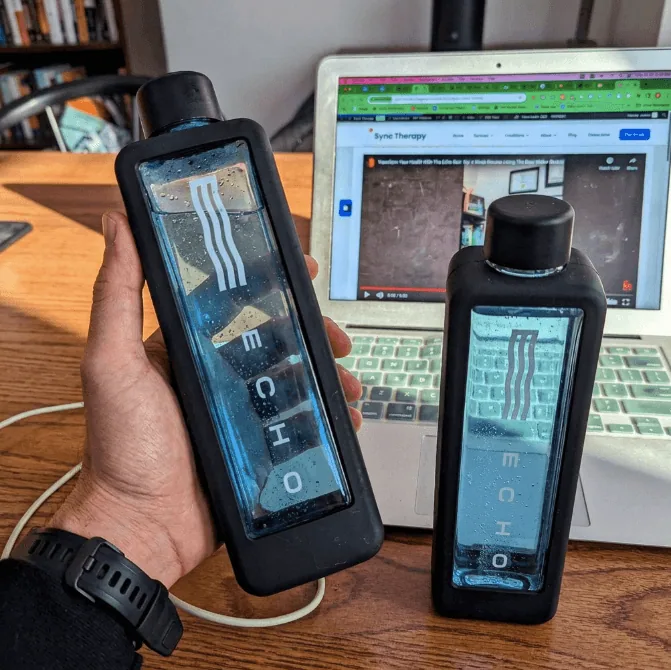
- Rinse the flask one final time to clear away any remaining vinegar aroma.
Cleaning the Outside of the Flask
The exterior housing contains the rechargeable battery and control circuitry. Wipe down the outside using a soft, damp microfiber cloth.
Never submerge the Echo Flask in water or run it through a dishwasher, as water intrusion will ruin the motherboard and void the warranty. Keep the digital screen and USB-C charging port dry. A small silicone port plug helps keep water out of the charging port during cleaning.
Cap Care
The cap maintains internal pressure so hydrogen gas dissolves directly into the water rather than escaping into the air.
Use a soft-bristled brush to clear debris from the lid threads. Never submerge the lid in water because liquid can enter the pressure-relief valve. If water enters the valve, allow the cap to air dry completely for 48 hours before the next use.
Cleaning the Gasket
The gray silicone gasket maintains an airtight seal and prevents moisture from accumulating in lid crevices:
- Use tweezers or a dull edge to gently remove the gray silicone gasket from the lid without tearing it.
- Wash the gasket with mild dish soap and warm water, or soak it in the diluted vinegar solution for up to 2 hours.
- Dry the gasket completely and confirm the surrounding groove is clean.
- Reinsert the gasket into the lid with the line-groove side facing inward to ensure a tight seal.
Summary of Care Guidelines
To protect your device and keep hydrogen output consistent:
- Rinse daily and descale monthly to sustain the full 8 PPM output.
- Stick to mild soap and 5% distilled white vinegar, avoiding harsh chemical cleaners or bleach.
- Avoid apple cider vinegar because its sugars can feed bacterial growth on the membrane.
- Keep the base dry and never submerge the unit.
- Leave about 1 tablespoon of filtered water inside the flask during storage so the PEM membrane stays hydrated and will not dry out or crack.
Taking care of the electrode chamber keeps your Echo Flask delivering high concentrations of molecular hydrogen with every cycle.
More Echo Flask Guides
Reviewed by: Daryl Stubbs, CAT(C), Holistic Nutritionist Award-winning Athletic Therapist with 12+ years of clinical experience integrating recovery modalities.